Smart Snacking Strategies for Patients on GLP-1 Receptor Agonist Therapy
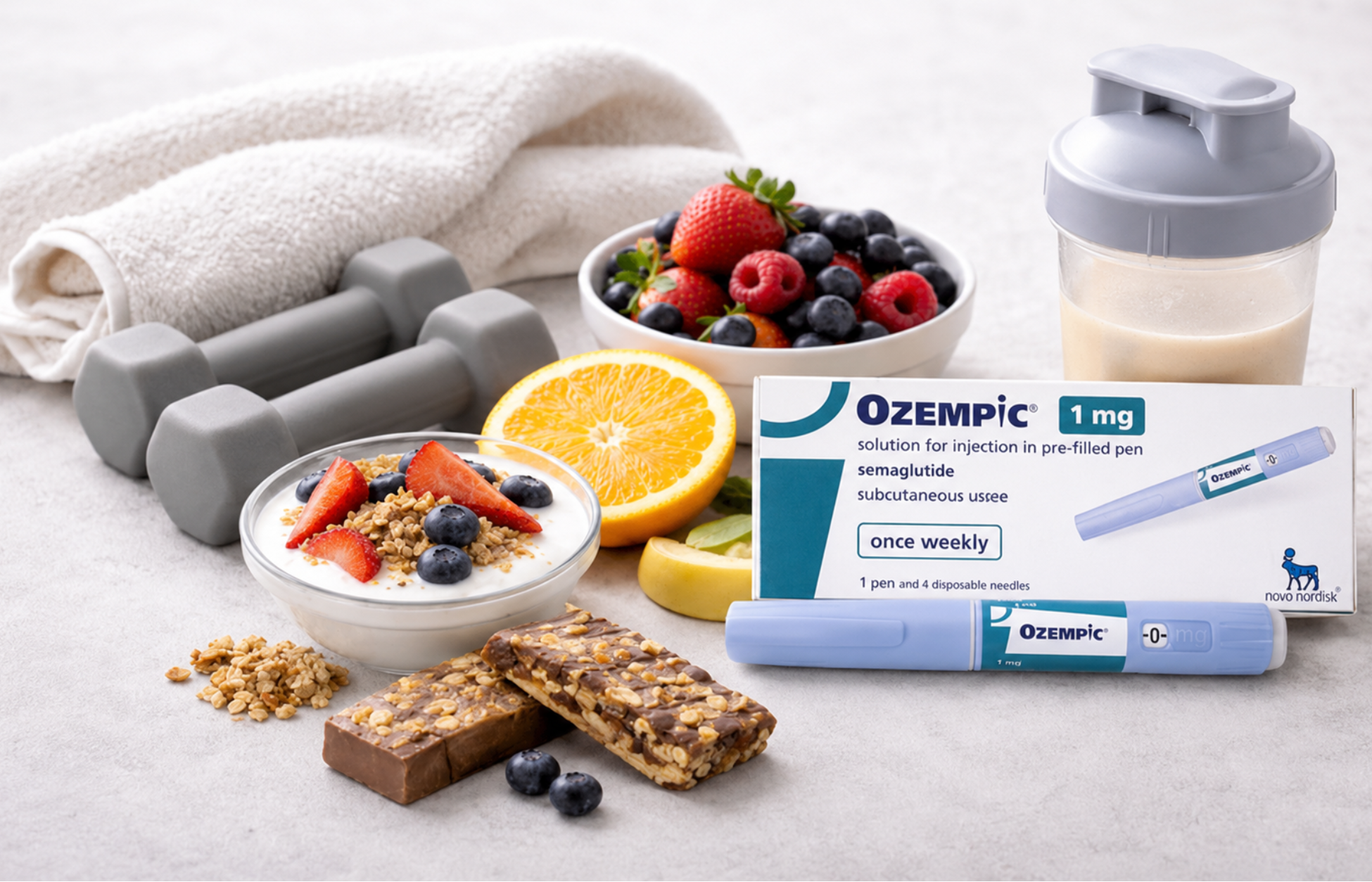
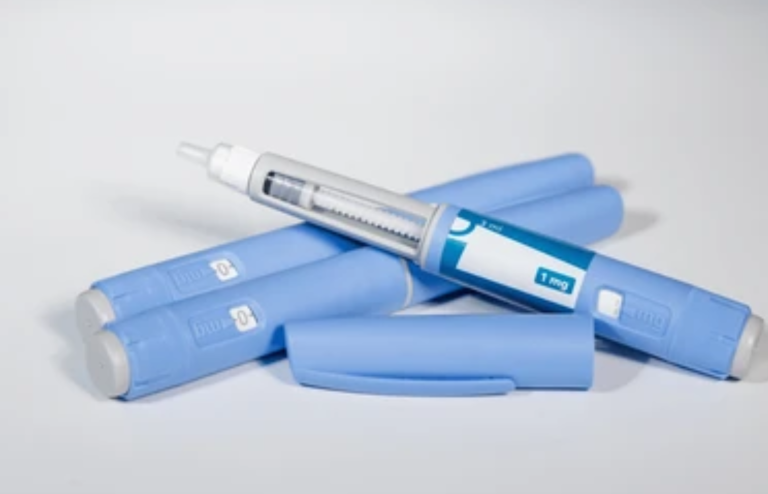
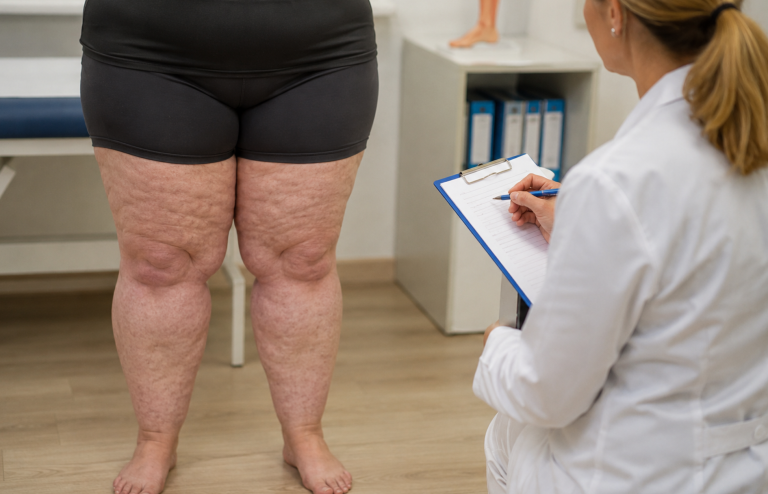
GLP-1 receptor agonists have changed the way doctors treat obesity and type 2 diabetes. Drugs like semaglutide and tirzepatide fall into this group. They slow down how fast food leaves your stomach, and they also act on the part of your brain that controls hunger. Because of this, people on these medications often notice big changes in how hungry they feel, how much food they can handle at one time, and even which foods they crave.
This shift makes good nutrition more important than ever. Patients need simple, practical guidance on how to snack in a way that keeps their body well-fed even when appetite is low. This article walks through why these changes happen and shares easy-to-follow tips for smarter snacking while on treatment.
Why Appetite and Eating Habits Change
Slower Digestion, Faster Fullness
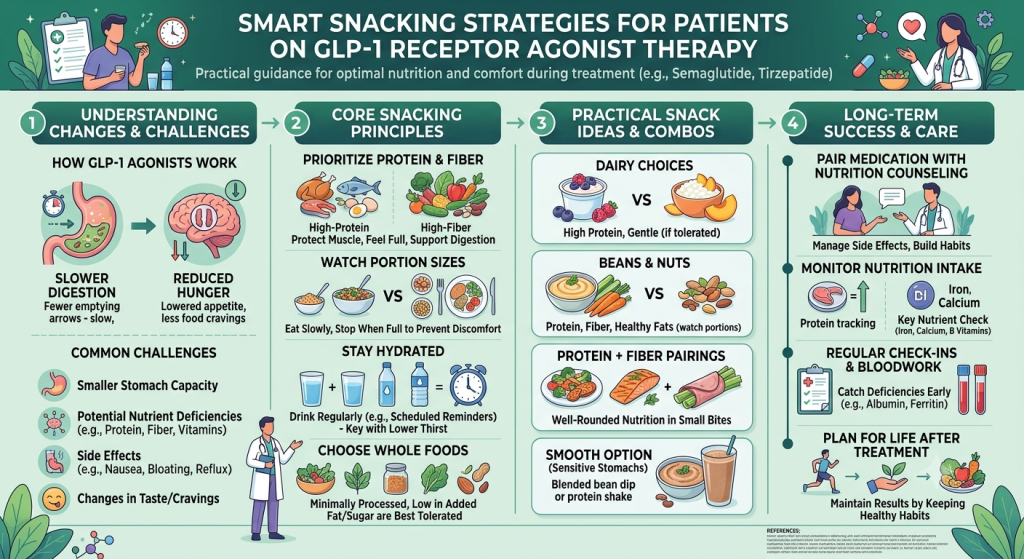
These medications work on receptors in the pancreas, gut, and brain. In the gut, they slow down stomach emptying, so food sits there longer and you feel full sooner. At the same time, the brain gets a signal to reduce hunger and cut down on food cravings. Together, these two effects explain why people on GLP-1 drugs eat so much less than before.
This slower digestion also changes what kinds of meals feel comfortable. Heavy, greasy, or highly processed foods can cause nausea, bloating, or an upset stomach. That’s why many patients naturally start eating smaller meals more often instead of three big ones. Knowing this helps in planning meals and snacks that actually work for the body.
Eating Less Can Mean Missing Key Nutrients
Since patients eat much less overall, there’s a real risk of not getting enough nutrients. Protein is one of the biggest concerns, since a smaller appetite often means people just don’t eat enough of it. Not getting enough protein while losing weight can lead to muscle loss, which matters even more for older adults.
Fiber intake often drops too, simply because people are eating less food overall. That can lead to slower digestion and constipation. Low levels of iron, calcium, and B vitamins can also show up over time. This is why nutrition counseling should be a normal part of treatment, not an afterthought.
On top of that, side effects like nausea, early fullness, and occasional reflux can make it even harder to eat enough. These symptoms tend to be worse when the dose is first being increased. Planning ahead for this stage can help avoid bigger nutrition problems later.
Many patients also say they simply lose interest in foods they used to love. Sometimes that’s a good thing, especially if it means eating less junk food. But it can backfire too, if it also means skipping healthy, nutrient-rich foods without a plan in place.
How to Snack Smarter During Treatment
Make Protein and Fiber the Priority
Since most patients can only handle small amounts of food at a time, every bite needs to count. Protein-rich snacks help protect muscle and keep you feeling full longer. Fiber helps keep digestion moving and steadies blood sugar. Choosing snacks that offer both means you get more nutrition packed into a smaller portion.
Snacks that are low on the glycemic index are also a smart choice, since they help keep blood sugar steady. Sugary or heavily refined foods tend to cause quick spikes and crashes. Whole, simple foods are usually the better option. A dietitian can help pick out specific foods that fit these guidelines.
Watch Portion Sizes and Stay Hydrated
Because digestion slows down, portion size matters more than ever. Eating slowly and stopping as soon as you start feeling full can prevent nausea and discomfort. Smaller snacks spread out through the day tend to work much better than trying to eat a big meal. This also helps spread nutrients out more evenly.
Staying hydrated matters too, especially since a lower appetite often comes with a weaker sense of thirst. Drinking enough water supports digestion and helps prevent constipation, especially when eating more fiber. Patients should try to drink water on a regular schedule rather than just waiting to feel thirsty. Some doctors even suggest setting hydration reminders for patients whose appetite has dropped a lot.
Practical Snack Ideas
Simple, minimally processed foods tend to work best with the digestive changes these medications cause. Lightly prepared meals with fewer ingredients usually cause fewer stomach problems. Foods that are low in added fat and sugar tend to be easier to handle. The goal is picking snacks that pack in plenty of nutrition without taking up much space in the stomach.
Pairing different food groups together can boost nutrition even more. A lean protein paired with a fiber-rich vegetable makes a well-rounded snack. For example, a small piece of fish with some vegetables gives you protein, healthy fat, and fiber all in one small serving.
This kind of combo works especially well for people who need more nutrition after exercise, or for anyone with a packed schedule who needs something quick and filling. Prepping these snacks ahead of time can make it much easier to stay consistent.
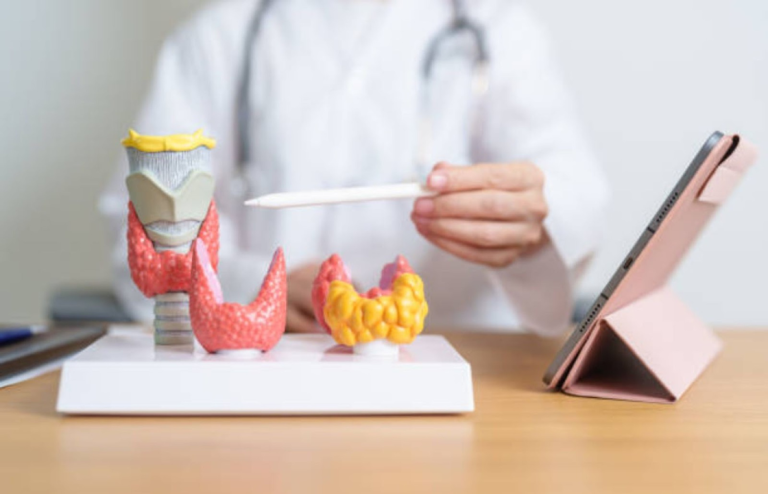
Certain foods also deserve a closer look for their micronutrient content. Lightly prepared seafood, for example, is a good source of iodine and vitamin B12, both important for thyroid health and energy. Mixing up food choices throughout the day can help make up for the fact that people are simply eating less variety overall.
That said, no single “superfood” will speed up weight loss on its own. Patients should be cautious about trendy claims tied to specific products.
Dairy is another easy way to hit protein goals without eating a lot of food. Greek yogurt and cottage cheese are both high in protein and gentle on the stomach. Pairing them with a bit of fruit adds fiber too. Just keep in mind that some patients are lactose intolerant, so dairy isn’t the right fit for everyone.
Beans, lentils, and nuts are also great choices. A small handful of nuts gives you healthy fat and protein, though portions should stay small. Hummus and other bean-based dips pair nicely with vegetable sticks. For patients with a more sensitive stomach, smoother versions of these foods (like a well-blended hummus) are usually easier to handle.
Timing matters too. Spacing protein-rich snacks evenly throughout the day helps the body use that protein more effectively. Patients who try to get all their nutrition in one big meal often struggle to hit their targets. A dietitian can help build a snack schedule that actually fits someone’s daily routine.
What This Means for Long-Term Care
Doing well on GLP-1 therapy over the long run really comes down to eating well. Losing weight without enough protein and key nutrients can hurt metabolic health down the line. Pairing the medication with nutrition counseling helps patients protect their muscle mass and manage side effects better. This combined approach is quickly becoming the standard in weight management care.
It’s also worth planning ahead for what happens after treatment ends. Many patients find their appetite comes back once they stop the medication. Without healthy eating habits already in place, this can lead to regaining weight. Building good snacking habits now can help make results last longer.
Checking in on nutrition regularly throughout treatment is a smart move. Keeping an eye on protein intake, nutrient levels, and any stomach issues allows for quick adjustments when needed. When doctors and dietitians work together, patients tend to stick with treatment more successfully. This team-based approach is becoming more common in weight management care.
Bloodwork can be a helpful part of this process too. Checking markers like albumin and ferritin from time to time can catch deficiencies early, often before any symptoms show up.
Where possible, tracking body composition (not just weight on a scale) gives a clearer picture of whether muscle is being preserved. This lets doctors fine-tune advice for each patient instead of giving the same generic tips to everyone.
Patient education matters just as much as any of this. Simple written guides, meal planning tools, and regular check-ins with a provider all help reinforce good habits. Patients who understand why they’re being asked to eat a certain way tend to actually stick with it. That understanding supports both comfort now and better results down the road.
Conclusion
GLP-1 medications like semaglutide and tirzepatide can dramatically reduce appetite. This happens because they slow digestion and turn down hunger signals in the brain. Because patients simply eat less food overall, every snack needs to be packed with real nutrition.
Focusing on protein, fiber, and hydration in small, well-planned snacks helps protect muscle and keep digestion comfortable. This kind of planning plays a big role in helping patients stick with treatment long-term. As more people start GLP-1 therapy, solid nutrition guidance will only become more important.
References
Centers for Disease Control and Prevention. (2024). Obesity and overweight. U.S. Department of Health and Human Services. https://www.cdc.gov/obesity/
Cleveland Clinic. (2024). GLP-1 agonists: What they are, uses, and side effects. https://my.clevelandclinic.org/health/treatments/13901-glp-1-agonists
Müller, T. D., Finan, B., Bloom, S. R., D’Alessio, D., Drucker, D. J., Flatt, P. R., Fritsche, A., Gribble, F., Grill, H. J., Habener, J. F., Holst, J. J., Langhans, W., Meier, J. J., Nauck, M. A., Perez-Tilve, D., Pocai, A., Reimann, F., Sandoval, D. A., Schwartz, T. W., … Tschöp, M. H. (2019). Glucagon-like peptide 1 (GLP-1). Molecular Metabolism, 30, 72-130. https://doi.org/10.1016/j.molmet.2019.09.010
National Institute of Diabetes and Digestive and Kidney Diseases. (2023). Prescription medications to treat overweight and obesity. U.S. Department of Health and Human Services. https://www.niddk.nih.gov/health-information/weight-management/prescription-medications-treat-overweight-obesity
U.S. Food and Drug Administration. (2024). Wegovy (semaglutide) injection, for subcutaneous use: Prescribing information. https://www.accessdata.fda.gov/drugsatfda_docs/label/2024/215256s000lbl.pdf