Thinking About the Wegovy Pill? Here’s What to Know
The FDA has approved a daily pill version of Wegovy, giving patients another way to use one of the most sought-after weight-loss medications in the U.S. Until now, Wegovy came only as a once-weekly injection. The new tablet eliminates needles and broadens treatment choices for adults living with obesity.
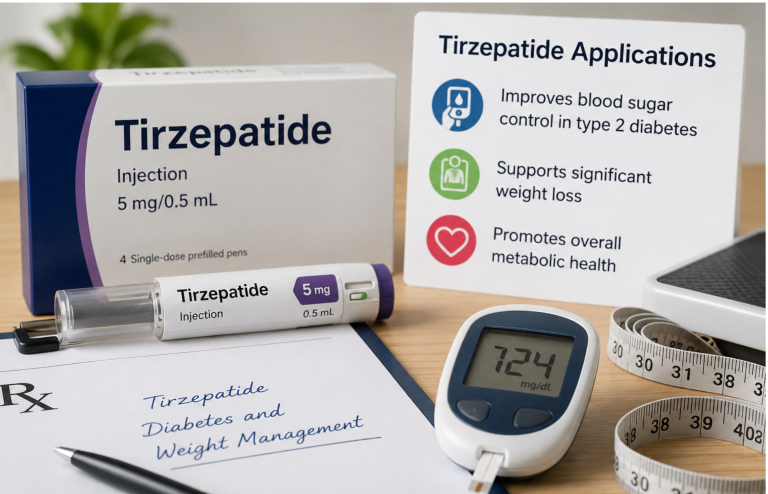
Wegovy uses semaglutide, a medication that mimics the GLP-1 hormone. This hormone helps regulate appetite and manage blood sugar levels. Semaglutide slows how quickly food leaves the stomach and boosts feelings of fullness. These effects help people consume fewer calories and lose weight gradually. Doctors originally prescribed the drug to manage Type 2 diabetes before its weight-loss benefits gained widespread attention.
Both the pill and the injection affect the body in the same way. Each helps reduce hunger, supports blood sugar control, and promotes weight loss when combined with healthy eating and regular physical activity. The main differences involve how often patients take the medication and how it fits into daily routines.
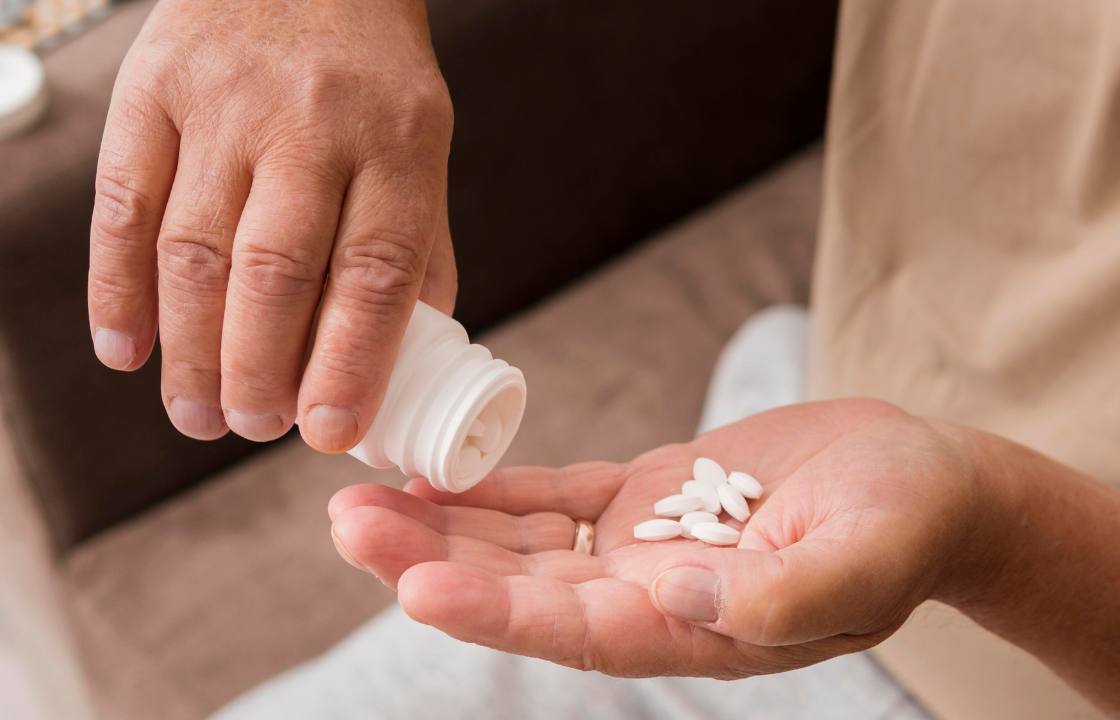
Patients use the injectable form once a week. The pill requires daily dosing. People must take it first thing in the morning on an empty stomach with a small sip of water. They also need to wait at least 30 minutes before eating, drinking, or taking other medications. This schedule allows the body to absorb the drug more effectively.
Because digestion breaks down part of the medication, the pill delivers a higher dose than the injection. The maximum oral dose reaches 25 milligrams, while the weekly shot contains 2.4 milligrams. Even with this difference, studies show both versions achieve similar results.
Clinical trials found that people who used injectable Wegovy lost about 14 percent of their body weight. Those who took the daily pill experienced nearly the same level of weight loss. These findings show that the oral option can match the injection for effectiveness in many adults.
Side effects appear similar for both forms. Most involve the digestive system, and common complaints include nausea, vomiting, diarrhea, constipation, and abdominal discomfort. These symptoms tend to show up early in treatment as doses increase. In many cases, they ease as the body adjusts to the medication.
Some patients find the side effects difficult to manage. Research suggests that roughly 7 to 10 percent of users stop taking semaglutide because of intolerance. Doctors often recommend gradual dose increases and close follow-up to help reduce discomfort.
The pill comes with clear benefits. Many people prefer taking a tablet rather than giving themselves injections. The oral version also does not require refrigeration, which simplifies storage and travel. For some patients, a daily pill feels easier to incorporate into a morning routine.
Cost may factor into decision-making as well. Insurance coverage varies, but experts believe the pill could prove more affordable for certain patients. Telehealth services and large pharmacy chains may also help improve access.
However, the pill does have limitations. Regulators approved it only for adults. Teens with obesity must still rely on the injectable option. The strict timing rules may also pose challenges for people with hectic or unpredictable schedules.
Healthcare providers encourage patients to choose the option that aligns best with their lifestyle and medical needs. Some appreciate the convenience of a once-weekly injection. Others prefer the familiarity and flexibility of a daily pill.
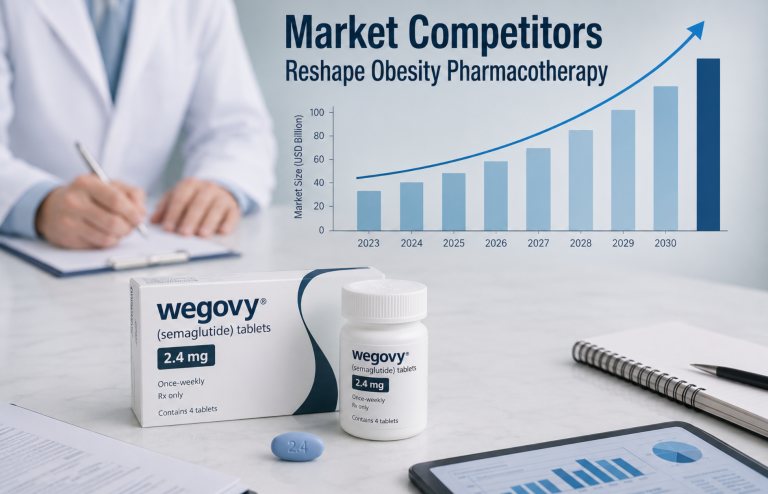
Demand for GLP-1 weight-loss drugs continues to rise. Treatments like Wegovy have reshaped how clinicians approach obesity care. Many patients report feeling less hungry, experiencing fewer cravings, and seeing improvements in metabolic health. These changes often influence how people plan meals and shop for food.
Drug manufacturers are moving quickly to expand available options. The launch of an oral Wegovy signals a meaningful shift in obesity treatment. It offers greater flexibility and puts more control in patients’ hands.
Experts caution that semaglutide is not a short-term solution. Successful treatment requires long-term use alongside sustainable lifestyle changes. Weight gain often returns after stopping the medication, underscoring obesity as a chronic condition.
For many adults, the Wegovy pill offers a compelling new choice. It delivers strong results without injections, improves access, and points toward a more patient-friendly future in weight-loss care.
References
Edwards, I. (2026, January 6). Novo Nordisk launches daily Wegovy weight-loss pill to expand GLP-1 access. Drugs.com MedNews.
https://www.drugs.com/news/novo-nordisk-launches-daily-weight-loss-pill-expand-glp-1-access-128198.html
Healthline Editorial Team. (2026). FDA approves Wegovy weight-loss pill: How it compares to injections. Healthline.
https://www.healthline.com/health-news/fda-approves-wegovy-weight-loss-pill
Live Science Staff. (2026, January 23). Wegovy now comes in pill form — here’s how it works. Live Science.
https://www.livescience.com/health/medicine-drugs/wegovy-now-comes-in-pill-form-heres-how-it-works
Novo Nordisk. (2026). Novo Nordisk’s Wegovy® pill approved in the U.S. as the first oral GLP-1 treatment for weight management. PR Newswire.
https://www.prnewswire.com/news-releases/novo-nordisks-wegovy-pill-the-first-and-only-oral-glp-1-for-weight-loss-in-adults-now-broadly-available-across-america-302652205.html
SAMAA Web Desk. (2025, December 30). FDA approves oral version of popular weight-loss drug Wegovy. SAMAA.
https://www.samaa.tv/2087343905-fda-approves-oral-version-of-popular-weight-loss-drug-wegovy