Best White Fish While Taking GLP-1
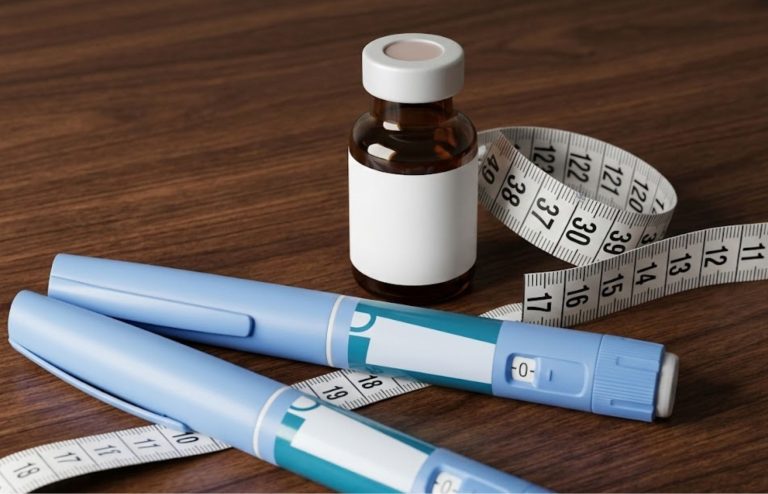
GLP-1 medications like Wegovy, Ozempic, and Mounjaro are changing how we treat obesity and type 2 diabetes. These drugs work by lowering your appetite. Along with this, they slow down how fast your stomach empties. This creates a big challenge for your body. Patients eat much less food than before. Yet, their bodies still need enough protein. This protein protects your muscles while you lose weight. In view of this, what you eat at every meal becomes much more important.
White fish is an excellent choice for your diet. It is lean and very easy on the stomach. Furthermore, it gives you plenty of complete protein. These types of fish fit perfectly with the needs of your body during treatment. Knowing which fish are best helps you make great choices. Patients and doctors can choose the best foods together.
The Crucial Role of Protein During GLP-1 Treatment
GLP-1 drugs cut the amount of food you want to eat. Often, people eat far less than their bodies actually need. Research by Johnson et al. (2025) showed an important pattern. Patients on these drugs often fail to get enough protein. This happens because they are eating so few calories. Experts recommend getting 1.2 to 2.0 grams of protein for every kilogram of your body weight daily. This amount keeps your muscles strong and healthy.
If you do not eat enough protein, you lose muscle instead of just fat. This can make you weak. In light of this, top medical experts agree on a key point. Any good weight loss plan must protect your muscles. You can do this with the right foods (Almandoz et al., 2024). White fish gives you top-quality protein very quickly. Along with this, it does not upset your stomach.
Since these medications slow down your digestion, you need foods that pass through easily. It is wise to choose items that do not make you feel sick. They should not make you feel uncomfortably full either. White fish meets these needs perfectly.
Cod: The Gold Standard for Lean Protein
Cod is one of the most reliable white fish you can buy. A normal 100-gram cooked piece gives you amazing nutrition. It has about 20 to 23 grams of pure protein. Along with this, it has fewer than 90 calories. It contains less than 1 gram of fat. To be precise, cod gives you important minerals like iodine and phosphorus. It also supplies your body with vitamin B12.
You can easily run low on these nutrients during your treatment. This happens because you are eating much less food overall. Cod has almost no carbohydrates. This feature helps keep your blood sugar steady. People managing type 2 diabetes will find this very helpful. This is true for anyone using these new medications.
Cod has a mild taste and stays firm when you cook it. You can steam, poach, or bake it. These methods do not add extra calories. They also keep you away from the bad fats found in fried food. Furthermore, you can find cod in almost any grocery store. It is affordable, so it is easy to eat regularly.
Haddock: High Nutrients in a Low-Calorie Serving
Haddock is another great fish that fits the needs of your diet. It supports your weight loss journey safely. A 100-gram serving of cooked haddock offers brilliant value. It gives you 20 to 24 grams of protein. Along with this, it has under 1 gram of fat. It only has about 80 to 110 calories (Bolt Pharmacy, 2026).
One single portion gives you what your body needs for the day. It meets the official guidelines for vitamin B12. This target is 1.5 micrograms every day for adults. Lacking vitamin B12 is a common issue when you eat less. This vitamin is vital for your brain and nerves. It also helps your body make red blood cells.
In view of this, haddock does two jobs at once. It hits your protein goals easily. At the same time, it stops you from losing vital vitamins. Health departments state that haddock has very low mercury levels. This means you can eat it often without any worries. It is safe for everyone when eaten as part of a balanced diet.
Pollock: A Budget-Friendly Nutrient Powerhouse
Pollock is worth looking at if you are on a GLP-1 drug. It is very inexpensive but still gives you great nutrition. A 100-gram piece has about 19 grams of protein. It only adds 92 calories to your day. Along with this, it gives you a good amount of selenium.
One portion covers over half of what an adult needs daily. Selenium acts as a helper for your body’s natural defenses. It also keeps your thyroid working well. Both of these factors keep your metabolism healthy while you lose weight. Pollock also has higher levels of vitamins than many other fish (Foodstruct, 2025). It gives you plenty of vitamin B12 and vitamin D.
If you can only eat small meals, this fish gives you the best value. You get the most nutrition out of every single bite. Pollock is very easy to use in the kitchen. You can bake the fillets or add them to a fish soup. Steaming it works beautifully too. Because it costs less than cod, it helps you stick to your budget.

Plaice and Sole: Easy Digestion for Sensitive Stomachs
Plaice and sole are thin and delicate fish. They cook very fast. Furthermore, they are incredibly easy for your stomach to break down. This is helpful when you first start your medication. That is when nausea and stomach upset tend to feel the worst.
Both fish give you just as much protein as haddock. Along with this, they offer plenty of selenium. This is about 30 micrograms per portion for plaice. They also give you a helpful boost of vitamin D and iodine. Iodine keeps your thyroid healthy. Many people do not get enough iodine if they avoid dairy and grains.
In light of this, these fish offer a smart solution. They help keep your mineral levels up while you follow your diet. They have a very mild flavor, so they will not make you feel sick. This matters a lot when a low appetite makes it hard to eat different foods. Simple cooking with lemon juice and herbs tastes great. It keeps all the goodness in the fish.
Coley and Whiting: Affordable and Sustainable Alternatives
Coley and whiting are friendly to the planet and your wallet. These white fish options are packed with health benefits. Both types give you 18 to 22 grams of protein per 100 grams. Along with this, they are very low in fat. They also provide key B vitamins.
Coley has a stronger flavor than cod. However, the flavor becomes much softer when you poach it. Baking it in a light sauce also makes it taste mild. Whiting is very easy to digest because the meat is so tender. It has very little tough tissue.
This makes whiting perfect for anyone with a sensitive stomach. It helps patients who feel sick from their GLP-1 doses or tablets. Because of this, modern dietitians often suggest whiting when you feel nauseous. Furthermore, both fish come from well-managed, sustainable sources. Choosing them helps protect our oceans.
Best Cooking Methods and Meal Tips
How you cook your fish changes how healthy it is. Bad cooking methods can ruin your diet goals. Battered and fried fish adds too many calories. It also loads your meal with sodium and bad fats. This goes directly against what your medication is trying to do for your metabolism.
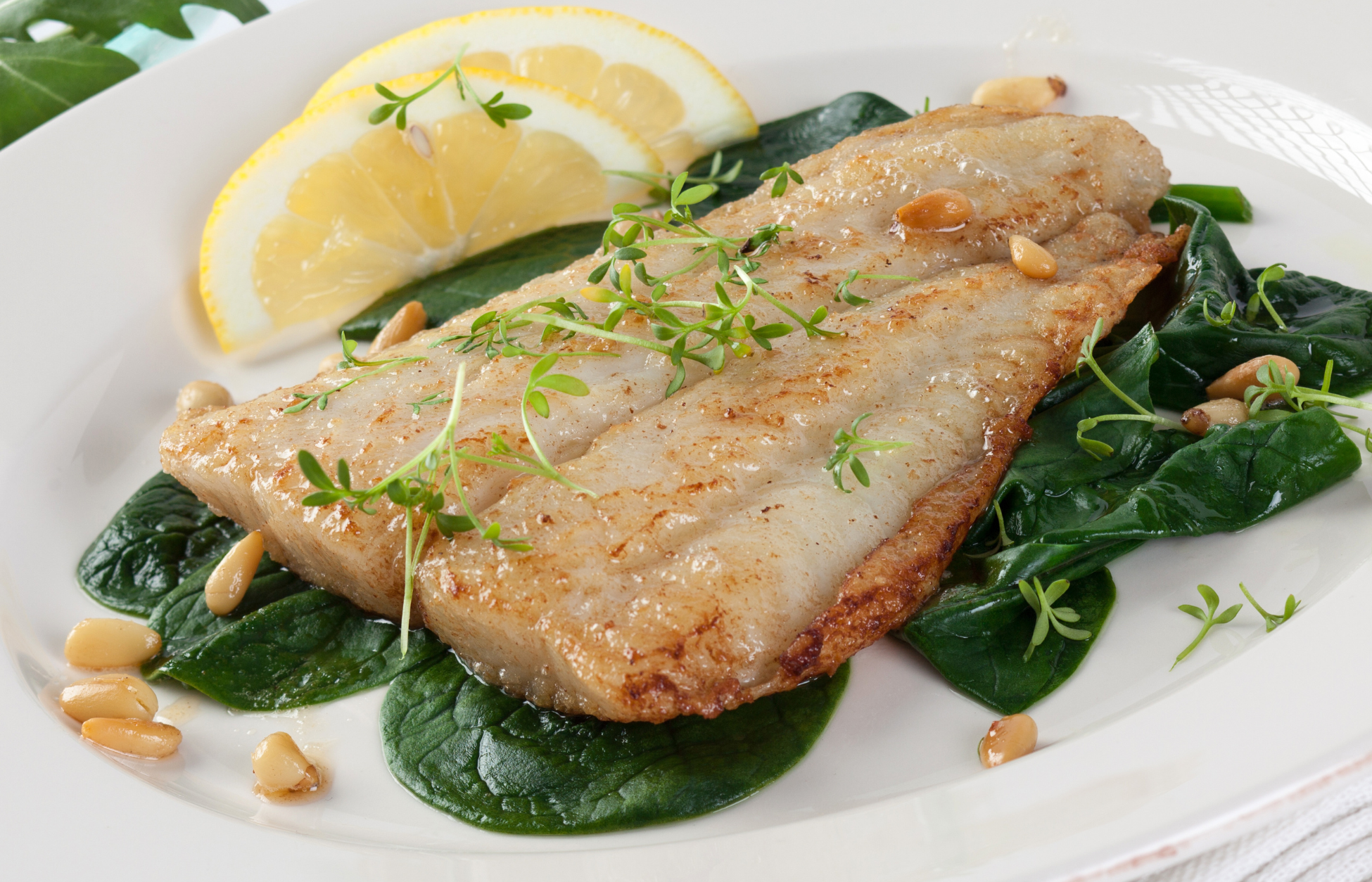
Instead, you should choose steaming, poaching, baking, or grilling. These methods work best without adding any oil or butter. They help you manage your weight and control type 2 diabetes. Small meals are much easier to handle when your medicine makes you feel full quickly.
Tip: Eating your protein first is a great strategy. You should eat your fish before you touch your vegetables or carbohydrates. This trick ensures you get your protein before your appetite disappears (BSW Health, 2026). Try to get 20 to 30 grams of protein with each meal. This keeps your muscles safe throughout the day. A 100 to 150-gram piece of fish will easily hit this target. It serves as a healthy base for your lunch or dinner.
Pairing your fish with green vegetables makes your meal even better. You can also add a tiny bit of healthy fat like olive oil or avocado. This mix helps you get enough fiber. It also helps your body absorb vital vitamins. Along with this, it keeps your meals interesting while you eat smaller portions. Registered dietitians can help you make a personal plan. They will tailor everything to how you feel and your stage of treatment.
Conclusion
White fish helps solve the biggest dietary puzzle of GLP-1 therapy. It gives you top-tier protein and vitamins without forcing you to eat huge meals. It packs all this goodness into a very low number of calories.
The latest medical science says we must focus on protein every day. You should aim for 1.2 to 2.0 grams per kilogram of your weight. This choice stops your body from burning muscle instead of fat (Johnson et al., 2025; Almandoz et al., 2024). White fish is incredibly gentle on the stomach. Along with this, it keeps your calorie intake low.
Its wide range of vitamins makes it one of the finest protein choices available. It is a massive help for anyone using modern weight loss drugs. As we learn more about these treatments, nutrient-dense foods will remain essential. They keep your weight loss journey safe and highly effective. They also protect your long-term health.
References
Almandoz, J. P., Stanford, F. C., Hur, C., & Grunvald, E. L. (2024). Nutritional considerations and muscle preservation during GLP-1 receptor agonist therapy for obesity management. Obesity Medicine, 39, 100512.
Baylor Scott & White Health. (2026). Nutrition strategies for patients taking GLP-1 medications. https://www.bswhealth.com
Bolt Pharmacy. (2026). The best protein-rich foods to eat while taking GLP-1 medications. https://www.boltpharmacy.co.uk
Foodstruct. (2025). Pollock nutrition facts and health benefits. https://foodstruct.com