Oral GLP-1 Receptor Agonists for Prediabetes Management: A Clinical Perspective on Efficacy and Implementation

The landscape of metabolic medicine is transforming rapidly, largely due to the emergence of glucagon-like peptide-1 (GLP-1) receptor agonists. Clinicians initially developed these agents to manage established Type 2 Diabetes Mellitus (T2DM), but they now increasingly use them to target the earlier metabolic stage of prediabetes (Non-Diabetic Hyperglycaemia). In the United Kingdom, where metabolic syndrome continues to rise, oral GLP-1 formulations mark a major milestone in preventative diabetology.
This clinical guide delivers an exhaustive analysis of oral GLP-1 pills, with a focus on oral semaglutide. It explains how these medications work, reviews the clinical evidence supporting their role in prediabetes and weight management, and outlines the regulatory framework that governs prescribing across the NHS and private sectors.
The Evolution of Incretin-Based Therapy
Defining GLP-1 and Its Role in Metabolic Health
Glucagon-like peptide-1 (GLP-1) is an endogenous incretin hormone secreted by the L-cells of the distal ileum and colon in response to nutrient ingestion. Its primary physiological role involves the augmentation of glucose-dependent insulin secretion, a phenomenon known as the “incretin effect.”
Beyond its insulinotropic action, GLP-1 plays a critical role in regulating glucose homeostasis. It suppresses postprandial glucagon secretion, slows gastric emptying, and modulates appetite through central nervous system pathways in the hypothalamus.
In patients with prediabetes and obesity, the incretin effect often weakens, which drives progressive hyperglycaemia and reduces satiety. GLP-1 receptor agonists (GLP-1 RAs) act as synthetic analogues that resist degradation by dipeptidyl peptidase-4 (DPP-4), allowing them to deliver sustained, supra-physiological GLP-1 activity and restore metabolic balance.
The Transition from Injectable to Oral Formulations
For over a decade, clinicians delivered GLP-1 therapy almost exclusively through subcutaneous injections. They long viewed oral delivery of a large peptide such as semaglutide as nearly impossible because stomach acid and proteolytic enzymes rapidly break it down.
Researchers achieved the breakthrough by developing a delivery scaffold called sodium N-(8-[2-hydroxybenzoyl] amino) caprylate (SNAC). Research published in Drugs in Context highlights that SNAC enhances absorption.
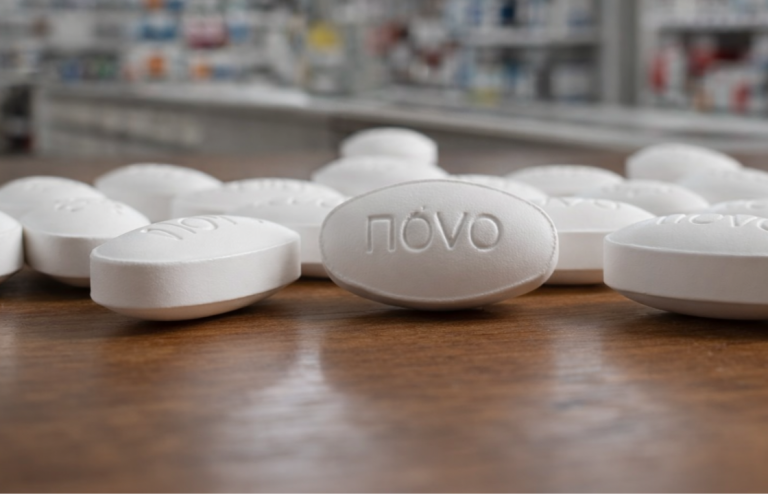
SNAC raises the local pH, protects semaglutide from pepsin-mediated degradation, and enables transcellular absorption across the gastric epithelium. This technological leap secured approval for Rybelsus (oral semaglutide), the first oral GLP-1 receptor agonist.
Understanding Prediabetes
The prevalence of prediabetes, or Non-Diabetic Hyperglycaemia (NDH), has reached epidemic proportions. According to data from NHS England and the Office for Health Improvement and Disparities (formerly Public Health England), approximately 7 million individuals are currently estimated to have prediabetes.
This figure represents a ticking metabolic time bomb, as a significant proportion of these individuals will progress to Type 2 Diabetes within a decade if intervention is not prioritised.
The socioeconomic burden of this progression is vast. The NHS currently spends approximately £10 billion annually on diabetes, representing 10% of the entire NHS budget, with the majority of these costs stemming from complications such as cardiovascular disease, renal failure, and retinopathy.
Clinical Diagnostic Criteria
The diagnosis of prediabetes is codified by NICE guidelines [PH38]. Clinicians must rely on biochemical markers rather than subjective symptoms, as prediabetes is frequently asymptomatic. The diagnostic thresholds are:
- HbA1c: 42–47 mmol/mol (6.0–6.4%).
- Fasting Plasma Glucose (FPG): 5.5–6.9 mmol/L.
It is critical to note that an HbA1c of 48 mmol/mol or higher constitutes a diagnosis of Type 2 Diabetes. Identifying patients in the “grey zone” of 42–47 mmol/mol is essential because this is the window where metabolic damage is often still reversible through intensive weight loss and pharmacological support.
The Risk of Progression and the Weight-Glycaemia Nexus
The pathophysiology of prediabetes is intrinsically linked to visceral adiposity. Excess adipose tissue, particularly within the intra-abdominal cavity, releases pro-inflammatory cytokines and free fatty acids that impair insulin sensitivity in the liver and skeletal muscle.
As insulin resistance intensifies, the pancreatic beta cells attempt to compensate by increasing insulin production; however, they eventually reach a point of exhaustion, leading to elevated blood glucose levels.
Weight loss remains the most potent intervention for reversing this process. Data from the DiRECT trial (Diabetes Remission Clinical Trial) suggests that significant weight loss can induce remission in established T2DM; logically, the impact is even more pronounced in the prediabetic phase.
GLP-1 pills offer a pharmacological “lever” to assist patients in achieving the weight loss required to halt the progression to T2DM.
The Mechanism of Action: How Oral GLP-1 Pills Function
The efficacy of oral semaglutide is predicated on its multi-organ approach to metabolic regulation. Unlike traditional oral antidiabetics like metformin, which primarily focus on hepatic glucose production and insulin sensitivity, GLP-1 RAs address the complex interplay of hormonal and neurological signals that govern metabolism.
The Incretin Effect and Glucose-Dependent Insulin Secretion
GLP-1 RAs bind to GLP-1 receptors on the pancreatic beta cells. This binding stimulates the secretion of insulin but crucially does so in a glucose-dependent manner. This means that when blood glucose levels are within a normal range, the medication does not further stimulate insulin release, significantly reducing the risk of hypoglycaemia compared to sulfonylureas or insulin.
Glucagon Suppression
In prediabetes, the suppression of glucagon post-meal is often impaired. Glucagon, secreted by the pancreatic alpha cells, stimulates the liver to release glucose into the bloodstream.
GLP-1 pills inhibit inappropriate glucagon secretion, thereby lowering hepatic glucose output and reducing both fasting and postprandial hyperglycaemia.
Gastric Emptying and Central Satiety
One of the most profound effects for weight loss is the modulation of the gastrointestinal and central nervous systems:
Peripheral Effect: GLP-1 RAs slow the rate of gastric emptying. This results in nutrients staying in the stomach for longer, which provides a physical sensation of fullness (satiety) and prevents rapid spikes in blood glucose after eating.
Central Effect: Semaglutide crosses the blood-brain barrier to act directly on the arcuate nucleus of the hypothalamus. It enhances satiety signals and diminishes hunger signals. Patients often report a significant reduction in “food noise”, the intrusive and persistent thoughts about eating, which allows for better adherence to a calorie-controlled diet.
Pharmacokinetics: The Role of SNAC Technology
The delivery of semaglutide in tablet form is a feat of molecular engineering. Because semaglutide is a peptide (a chain of amino acids), it would normally be broken down by stomach acid and enzymes. The co-formulation with SNAC is essential.
When the tablet dissolves in the stomach, SNAC creates a high-pH microenvironment immediately surrounding the tablet. This neutralises the local gastric acidity, preventing the breakdown of the semaglutide peptide and allowing it to be absorbed directly through the stomach lining into the portal circulation.
Clinical Evidence for Oral Semaglutide in Prediabetes and Weight Loss
The clinical foundation for oral semaglutide is the PIONEER (Peptide InnOvations for Early diabEtes treatment) clinical trial programme. This global series of Phase 3 trials evaluated the safety and efficacy of oral semaglutide across various patient populations.
Analysis of the PIONEER Trials
- PIONEER 1: This trial evaluated oral semaglutide as monotherapy. It demonstrated that dosages of 7mg and 14mg led to significant reductions in HbA1c (up to 1.5%) and body weight compared to placebo.
- PIONEER 4: This was a head-to-head trial comparing oral semaglutide (14mg) with injectable liraglutide (1.8mg) and placebo. Oral semaglutide demonstrated non-inferiority in HbA1c reduction and superior weight loss compared to liraglutide.
- PIONEER 8: This study investigated oral semaglutide as an add-on to insulin. Even in this difficult-to-treat population, patients achieved a mean weight loss of approximately 4kg over 52 weeks, alongside significant glycaemic improvements.
Weight Loss Efficacy in Non-Diabetic Populations
While the PIONEER trials focused on T2DM, the weight loss data are highly relevant for prediabetes management. In these studies, weight loss with the 14mg dose was consistently superior to placebo and other oral medications such as sitagliptin or empagliflozin.
Subsequent research, including the OASIS 1 trial, specifically evaluated higher-dose oral semaglutide (up to 50mg) for obesity treatment in adults without diabetes. The findings showed that oral semaglutide can achieve weight loss of up to 15% of body weight, delivering results comparable to injectable semaglutide (Wegovy).
For the prediabetic patient, achieving a 10-15% reduction in body weight is often sufficient to return HbA1c levels to the normal range (<42 mmol/mol).
Cardiovascular and Secondary Benefits
Beyond glycaemia, oral GLP-1 RAs have shown positive effects on cardiovascular risk factors. In clinical trials, semaglutide was associated with:
- Reductions in systolic blood pressure (typically 2-7 mmHg).
- Improvements in lipid profiles, specifically reductions in total cholesterol and triglycerides.
- Modest reductions in markers of systemic inflammation, such as C-reactive protein (CRP).
These benefits are crucial for individuals with prediabetes, who are already at an increased risk of cardiovascular events, regardless of whether they progress to full-blown diabetes.
Navigating the Regulatory and Prescribing Framework
Prescribing GLP-1 pills requires a clear understanding of the regulatory distinction between various brands and their licensed indications.
Current NICE Guidance and the “Off-Label” Challenge
Regulators license Rybelsus (oral semaglutide) to treat adults with insufficiently controlled Type 2 Diabetes Mellitus and to improve glycaemic control alongside diet and exercise.
NICE Technology Appraisal [TA622] supports NHS use of Rybelsus for Type 2 diabetes under specific conditions, most commonly when metformin is contraindicated or as part of dual or triple therapy. However, as of early 2024, regulators have not licensed Rybelsus specifically for isolated “prediabetes” or “obesity.” If a clinician prescribes Rybelsus for a patient with an HbA1c of 45 mmol/mol and a high BMI, they prescribe it off-label.
Under General Medical Council (GMC) guidance, doctors may prescribe medicines off-label when they judge that sufficient evidence supports safety and efficacy and no appropriately licensed alternative exists.
Given that Wegovy (injectable semaglutide) is licensed for weight management, clinicians must justify why an oral formulation is being chosen (e.g., needle phobia or patient preference).
The Distinction Between Rybelsus and Wegovy
It is a common source of confusion for both patients and clinicians:
- Rybelsus: The brand name for oral semaglutide. Licensed for T2DM. Available in 3mg, 7mg, and 14mg.
- Wegovy: The brand name for injectable semaglutide specifically licensed for weight management (up to 2.4mg weekly).
- Ozempic: The brand name for injectable semaglutide licensed for T2DM.
The MHRA has issued several National Patient Safety Alerts about GLP-1 receptor agonist shortages. These alerts urge clinicians to prioritise supplies for licensed indications (Type 2 diabetes) to prevent treatment gaps for patients with established diabetes.
Prescribing Pathways: NHS vs. Private
- NHS Pathway: The NHS generally restricts access to GLP-1 receptor agonists for weight loss or prediabetes to Tier 3 Specialist Weight Management Services. Most GPs currently cannot initiate these medications for weight loss alone because of funding and prescribing restrictions.
- Private Sector: Many patients seek treatment through private metabolic health clinics to access GLP-1 therapy more quickly. However, these services must provide robust clinical oversight, including baseline blood tests (HbA1c, U&E, LFTs) and regular follow-up to monitor side effects and treatment efficacy.
Patient Selection and Clinical Considerations
Not every patient with prediabetes is a suitable candidate for GLP-1 pills. Careful screening and a tailored approach are essential for clinical success.
Identifying Ideal Candidates
The patients who stand to benefit most from oral semaglutide are those with:
- Non-Diabetic Hyperglycaemia (HbA1c 42-47 mmol/mol) where lifestyle changes alone have failed to improve glycaemia over 6 months.
- Obesity (BMI >30 kg/m²) or overweight (BMI >27 kg/m²) with at least one weight-related comorbidity (e.g., hypertension, dyslipidaemia, obstructive sleep apnoea).
- A strong preference for oral medication over injections.
Contraindications and Cautions
Clinicians must screen for the following:
- Medullary Thyroid Carcinoma (MTC): GLP-1 RAs are contraindicated in patients with a personal or family history of MTC or Multiple Endocrine Neoplasia syndrome type 2 (MEN 2), based on rodent studies showing an increased risk of C-cell tumours.
- Pancreatitis: Patients with a history of pancreatitis should generally avoid GLP-1 RAs. Any patient developing severe, persistent abdominal pain while on the medication must seek urgent medical attention.
- Severe Gastrointestinal Disease: Conditions such as inflammatory bowel disease or gastroparesis may be exacerbated by the slowed gastric emptying caused by the drug.
- Diabetic Retinopathy: In patients with established T2DM, rapid improvement in glucose control has been associated with a temporary worsening of retinopathy; while less of a concern in prediabetes, baseline awareness is prudent.
Managing Side Effects and Titration
The most common side effects are gastrointestinal: nausea, vomiting, diarrhoea, and constipation. These are usually transient and dose-dependent.
To minimise these effects, a strict dose-escalation protocol is used:
- 3mg daily for 30 days: This is a sub-therapeutic “initiation dose” designed to allow the body to adapt to the peptide.
- 7mg daily for 30 days: The first therapeutic dose where glycaemic and weight benefits begin to manifest.
- 14mg daily (Maintenance): The standard therapeutic dose for maximum efficacy.
From a clinical perspective, I find that advising patients to eat smaller portions and stop as soon as they feel “full” significantly reduces nausea. I also recommend avoiding high-fat meals because they can worsen bloating.
Practical Implementation: Administration and Lifestyle Synergy
One of the most critical aspects of oral GLP-1 therapy is the method of administration. If not taken correctly, the medication will not be absorbed, and the treatment will fail.
Strict Administration Guidelines
Patients must be educated on the “Fast-State” requirement for Rybelsus:
- Empty Stomach: The tablet must be taken immediately upon waking.
- Water Volume: It must be swallowed with a maximum of 120ml (about half a glass) of plain water.
- The 30-Minute Rule: Patients must wait at least 30 minutes before eating, drinking any other liquid (including tea or coffee), or taking any other oral medications.
Failure to wait the full 30 minutes significantly reduces the bioavailability of the semaglutide, as food or other liquids interfere with the SNAC-mediated absorption process.
The Importance of Lifestyle Plus
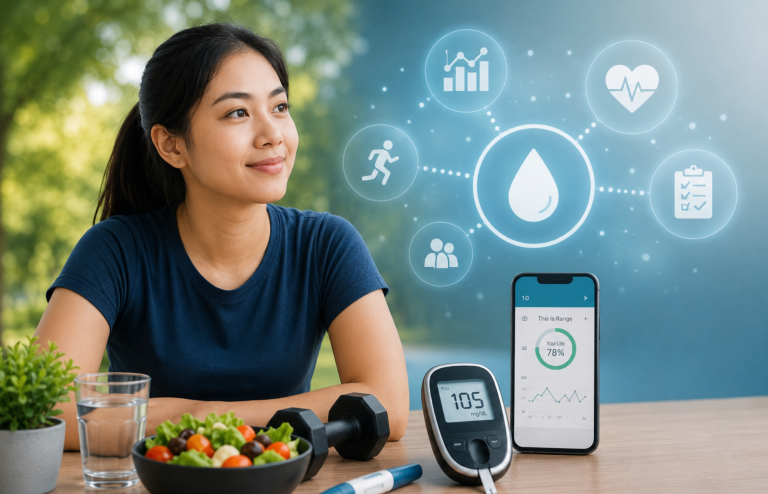
Pharmacotherapy does not act as a “magic bullet.” In prediabetes management, clinicians should use GLP-1 pills as a tool to support the principles of the NHS Diabetes Prevention Programme (DPP).
Nutritional Strategies
When on GLP-1 pills, the appetite is suppressed, and total caloric intake drops. The remaining calories must be nutrient-dense:
- Protein Prioritisation: Aim for 1.2g to 1.5g of protein per kilogram of body weight. This is essential to preserve lean muscle mass during weight loss.
- Fibre Intake: Increased fibre (vegetables, pulses, whole grains) helps mitigate the constipation that can occur with slowed gastric transit.
- Hydration: Due to the risk of nausea and vomiting, ensuring adequate fluid intake throughout the day is necessary to prevent renal strain.
Exercise and Muscle Preservation
Rapid weight loss with GLP-1 receptor agonists can lead to “sarcopenic obesity,” where patients lose muscle mass alongside fat. I strongly advise all patients to perform resistance training (weightlifting or bodyweight exercises) at least twice weekly to preserve metabolic rate and improve long-term glucose disposal in skeletal muscle.
Conclusion
Clinicians can now shift from “reactive” medicine that treats diabetes only after complications develop to “proactive” metabolic management. For millions of Britons with Non-Diabetic Hyperglycaemia, oral semaglutide offers a feasible, effective, and needle-free pathway to improved metabolic health.
Oral GLP-1 receptor agonists mark a landmark advance in how clinicians can manage the growing prediabetes crisis. These medications target insulin resistance and dysregulated satiety, and they provide a powerful adjunct to traditional lifestyle interventions.
However, clinicians achieve success with this therapy only through clinical rigour. They must select patients appropriately, enforce strict administration protocols, and promote consistent resistance training and high-quality nutrition. As clinicians, we must guide patients through this journey and ensure GLP-1 pills translate into sustainable, lifelong health improvements.
References
American Diabetes Association. (2024). 8. Obesity and Weight Management for the Prevention and Treatment of Type 2 Diabetes: Standards of Care in Diabetes—2024. Diabetes Care, 47(Supplement_1), S145–S157. https://doi.org/10.2337/dc24-S008
Knop, F. K., Aroda, V. R., Do Vale, R. D., Holst-Hansen, T., Laursen, P. N., Rosenstock, J., … & OASIS 1 Investigators. (2023). Oral semaglutide 50 mg once daily for obesity in adults (OASIS 1): a randomised, double-blind, placebo-controlled, phase 3 trial. The Lancet, 402(10403), 705-719. https://doi.org/10.1016/S0140-6736(23)01185-6
Pratley, R. E., Aroda, V. R., Lingvay, I., Ludvik, B., Pantalone, K. M., Philis-Tsimikas, A., … & PIONEER 4 Investigators. (2019). Oral semaglutide versus subcutaneous liraglutide and placebo in type 2 diabetes (PIONEER 4): a randomised, double-blind, phase 3a trial. The Lancet, 394(10192), 39-50. https://doi.org/10.1016/S0140-6736(19)31271-1
Tamborlane, W. V., & Bishai, R. (2021). The role of GLP-1 receptor agonists in the treatment of prediabetes and type 2 diabetes. Current Medical Research and Opinion, 37(sup1), 1-10. https://doi.org/10.1080/03007995.2021.1926221