From Needles to Pills: Big Pharma’s High-Stakes Race to Redefine Weight Loss

Pharmaceutical companies are racing to transform weight‑loss treatment. They are shifting from weekly injections to daily pills, opening easier access for millions. Experts predict 2026 may mark a turning point in obesity care.
GLP‑1 drugs have already reshaped the market. They suppress appetite and help patients shed significant weight when combined with lifestyle changes. Until recently, injections like Eli Lilly’s Zepbound and Novo Nordisk’s Wegovy dominated the field. However, many patients avoided treatment because needles felt intimidating and weekly dosing seemed inconvenient.
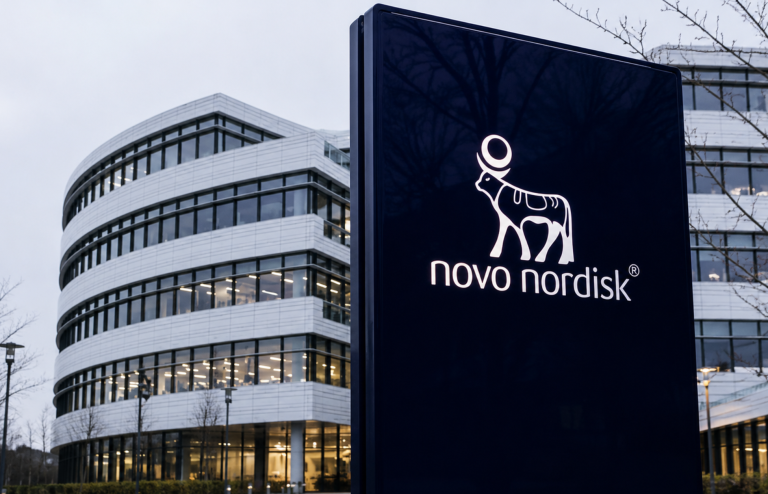
Now, companies are introducing oral alternatives. Novo Nordisk recently launched a daily pill, and doctors quickly wrote tens of thousands of new prescriptions. Patients embraced the pill. They report steadier appetite control and find it simpler and less intimidating than injections. Some describe it as a daily “reset” that curbs cravings reliably.
This innovation could expand the market beyond severe obesity. Previously, injections targeted patients with serious health risks. Pills appeal to people with milder weight concerns who avoided treatment before. They also eliminate refrigeration needs, making global distribution easier. As a result, companies can reach regions where cold storage is limited and demand remains high.
The obesity drug sector is booming. Analysts expect the market to jump from roughly seventy‑five billion dollars today to nearly two hundred billion by 2030. Rising obesity rates and the availability of convenient pills drive growth.
Competition is intensifying. Eli Lilly is preparing its oral GLP‑1 pill, Orforglipron, while Roche, Viking Therapeutics, and Pfizer are developing similar products. Companies also innovate marketing. In the United States, they advertise during major events to attract direct consumer attention, a strategy rarely seen in this class of drugs.
Not all developments are smooth. Some telehealth companies and compounding pharmacies have sold unapproved pills at lower prices. Drugmakers warn these alternatives lack proper testing and pose safety risks. Regulators have intervened, threatening legal action against companies marketing unapproved medications.
Doctors caution that injections remain more effective for many patients. Clinical trials show pills produce slightly smaller weight losses than shots. Patients with severe obesity or related health conditions often prefer injections. Analysts predict a segmented market where pills and shots coexist, each serving different patient groups.
The rise of pills has influenced other industries. Analysts report falling global sugar prices as appetite-suppressing drugs reduce demand for sugary foods. Insurance coverage is also expanding. Medicare plans in the United States now cover GLP‑1 treatments, making them more affordable for older adults and boosting uptake.
Pharmaceutical companies face crucial challenges. They must balance rapid innovation with questions about long-term safety, cost, and effectiveness. Public health experts stress the need to combine medical treatment with diet, exercise, and broader lifestyle interventions.
Still, innovation moves fast. Pills give millions new options and simplify weight-loss treatment. Patients can choose the method that fits their lifestyle, while doctors can tailor approaches based on individual needs. The sector’s competition drives improvements, reduces costs, and accelerates access.
The coming years may redefine obesity care worldwide. Pills and injections will likely coexist, providing patients with powerful choices. Pharmaceutical companies continue to race, innovate, and expand the field, signaling that 2026 may become a landmark year for weight-loss therapy.