FDA Approves Oral Semaglutide for Weight Loss, Cheaper Alternative to Injectable GLP-1 Drugs
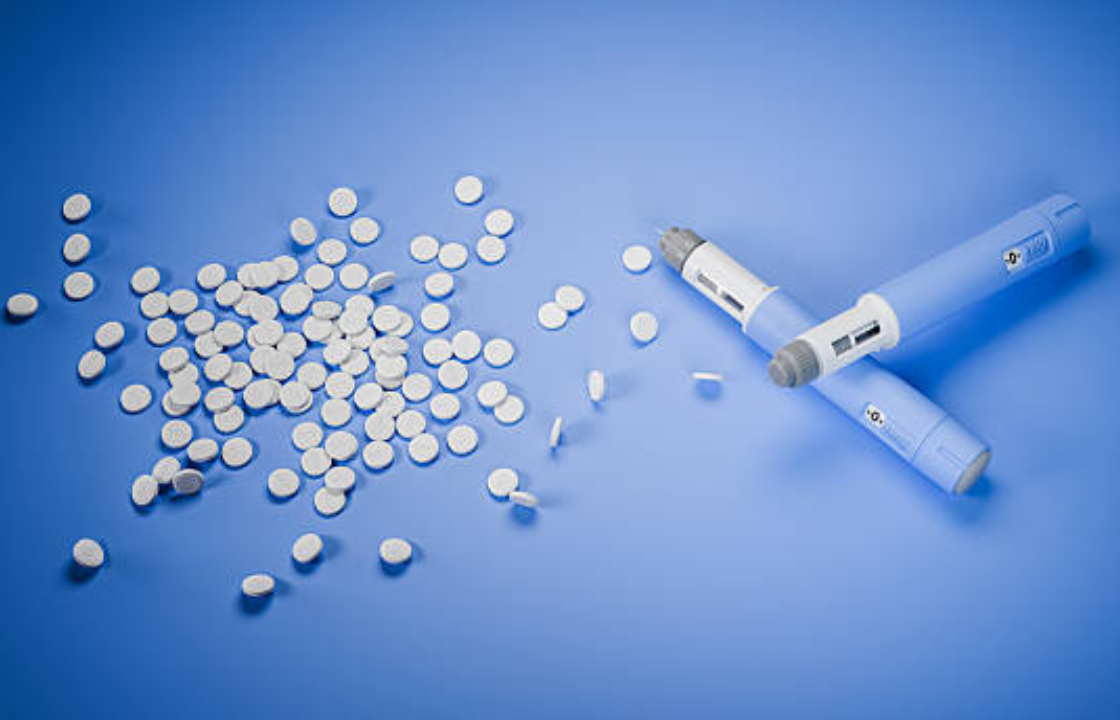
In January 2026, the U.S. Food and Drug Administration approved an oral formulation of semaglutide for weight management. This approval marks an important shift in obesity treatment because it provides a needle-free alternative to injectable therapies. For many patients who are uncomfortable with injections or struggle with access and cost, the new oral option could significantly improve treatment availability.
For years, highly effective GLP-1 medications have been limited by their price. Injectable treatments such as Wegovy and Ozempic can cost more than $1,300 per month in some markets. The newly approved oral semaglutide tablet is expected to start at approximately $149 per month. This large difference in pricing could make modern weight-loss therapy accessible to a much wider population.
The oral tablet has a number of useful benefits in addition to being reasonably priced. It is taken once daily as a tablet and does not need to be refrigerated, unlike injectable drugs. Healthcare professionals can more readily modify dosages to lessen or control adverse effects because the dosing schedule is less complicated. Compared to injection-based regimens, which could need particular storage and planned administration, these aspects make treatment easier to incorporate into everyday routines.
It was difficult to develop an oral version of semaglutide. Semaglutide and other peptide-based medications are usually delicate substances. When swallowed, they come into contact with the extremely acidic environment of the stomach and digestive enzymes that can break them down before they enter the bloodstream.
Due to these difficulties, the majority of peptide drugs have traditionally been administered by injection rather than tablet. The medicine can now be protected and successfully absorbed through the digestive tract thanks to developments in pharmaceutical formulation and absorption technologies.
Clinical studies of oral semaglutide showed promising results. Participants using the medication experienced an average body-weight reduction of around 16 percent. Some injectable GLP-1 therapies may achieve slightly higher weight-loss percentages, but a 16 percent reduction is still considered clinically meaningful. Such weight loss can significantly improve metabolic health, including blood sugar control, cardiovascular risk factors, and overall well-being.
The oral therapy may also play an important role as a maintenance option. Many patients who successfully lose weight through lifestyle interventions or other medical treatments struggle to maintain those results long term. Oral semaglutide could help stabilize weight after initial weight loss, reducing the likelihood of regaining weight over time. By helping regulate appetite and metabolic processes, the medication may support long-term disease management.
However, experts emphasize that medication alone is rarely a complete solution for obesity. Sustainable weight management typically requires a broader approach that includes healthy dietary habits, regular physical activity, and ongoing medical guidance. The most effective strategy often combines pharmacological treatment with lifestyle changes. While medication can support appetite control and metabolic balance, nutrition and exercise address the underlying health behaviors that contribute to long-term success.
The approval of oral semaglutide may also signal the beginning of increased competition in the oral obesity-treatment market. Several pharmaceutical companies are currently developing similar oral GLP-1 or related medications. As these treatments progress through clinical trials and regulatory review, the number of available options could expand significantly in the coming years.
Greater competition often drives innovation and can help reduce treatment costs over time. For clinicians and patients, this evolving landscape could lead to more personalized treatment choices and improved access to effective weight-management therapies.
Overall, the approval of oral semaglutide represents a meaningful milestone in obesity medicine. By offering a convenient, needle-free, and more affordable alternative to injectable GLP-1 drugs, this therapy may help many more people access modern medical treatment for weight management.