Gut Microbiome May Explain Variable Responses to GLP-1 Receptor Agonists
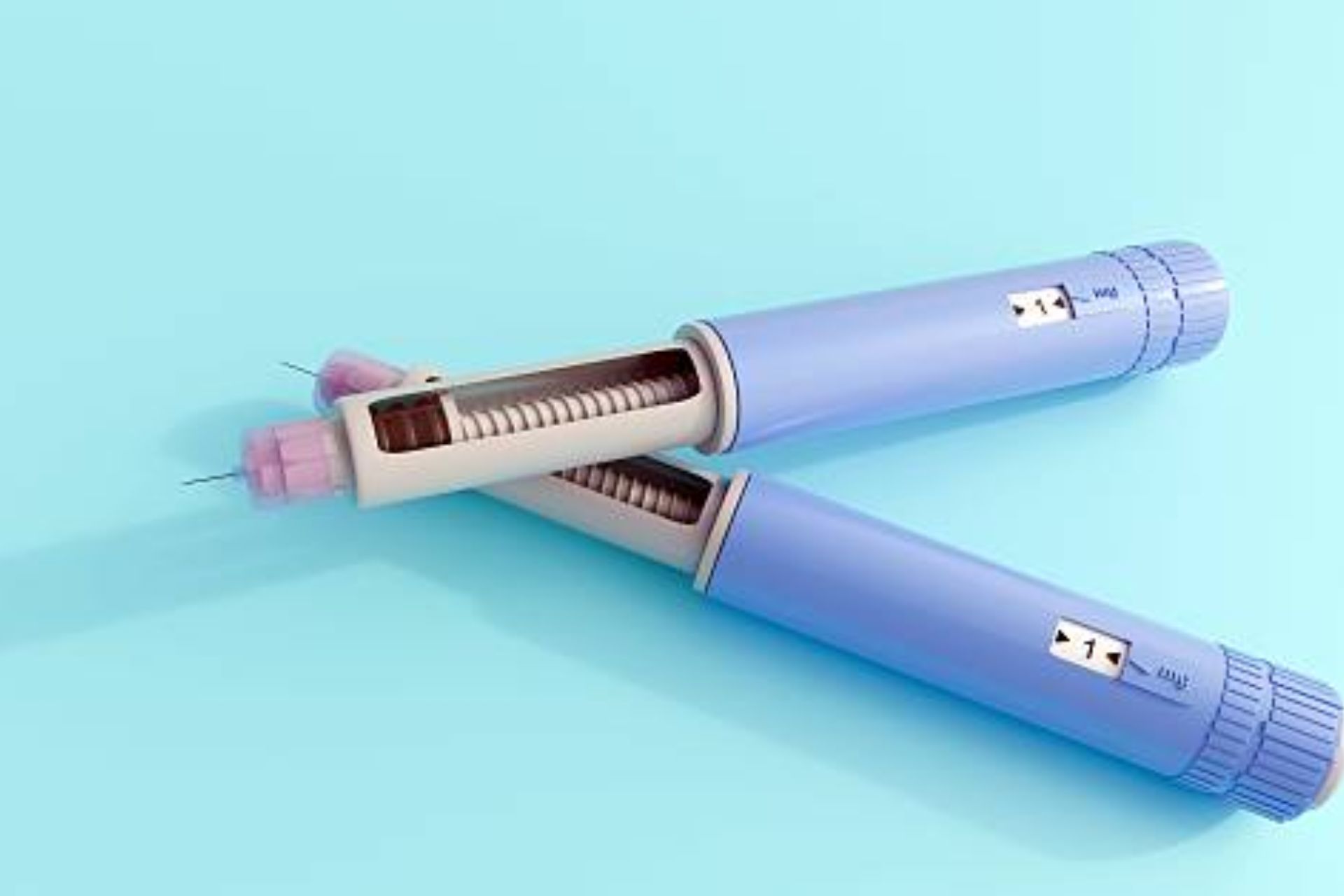
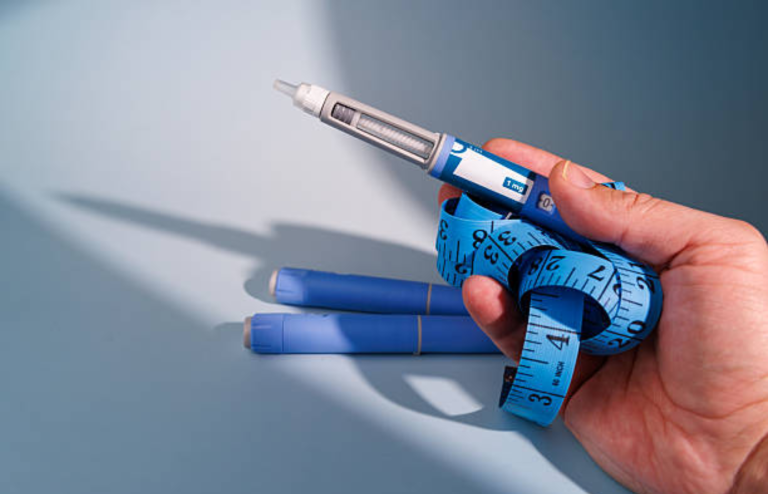
A recent review suggests that the tiny bacteria living in our gut might decide how well weight-loss drugs work. These findings specifically look at patients using GLP-1 medications, which are commonly prescribed for type 2 diabetes and obesity. Interestingly, some people lose a lot of weight on these drugs while others do not. Researchers now believe that the unique mix of microbes in each person’s gut helps explain this big difference.
There is a two-way street between these medications and our gut bacteria. Natural hormones in our body control how hungry we feel and how we process sugar. These hormones are released in the lower intestine, right where millions of bacteria live. Because they live so close together, the waste products from these bacteria can actually change how the hormones send signals to the brain.
These weight-loss drugs may also change the gut environment indirectly. When people take them, their appetite slows down and food moves through the body differently. One study showed that certain beneficial bacteria increased after just six weeks of treatment. Other research found that different bacterial groups grew over longer periods. However, the evidence is still quite new and results vary between different studies.
Clinical trials show that these drugs offer real benefits for weight management. Some patients saw much better results compared to those taking a placebo over seventy-two weeks. Most people can expect to lose between eight and twenty per cent of their body weight. This final result usually depends on the specific type of medication and the dose a doctor prescribes.
Changes in what we eat might actually affect our gut bacteria more than the drugs themselves. Because these medications reduce hunger, people naturally eat fewer sugary snacks and processed meals. In fact, many people eat up to thirty-nine per cent fewer calories. Professional groups now recommend eating nutrient-dense foods during treatment. Since our diet shapes our gut bacteria, these new eating habits are likely responsible for the changes we see.
Experts believe that overall health improvements and weight loss are what really drive these microbial shifts. In the future, testing a patient’s gut bacteria might help doctors predict how well a treatment will work for them. To be precise, the MHRA continues to monitor these drugs to ensure they are safe for everyone. As we learn more about the gut-brain axis, we can develop even better ways to help people reach a healthy weight.
Furthermore, scientists are now investigating how these microbial changes impact the central nervous system over time. These tiny organisms produce molecules that talk directly to the brain about fullness and satiety. In light of this, maintaining a healthy gut might be just as important as the medication itself. The NHS provides structured support to help patients navigate these complex dietary shifts successfully. This joined-up approach ensures that the body and the mind work together during the weight-loss journey. By understanding these internal biological links, we can create more personalised health plans for everyone.