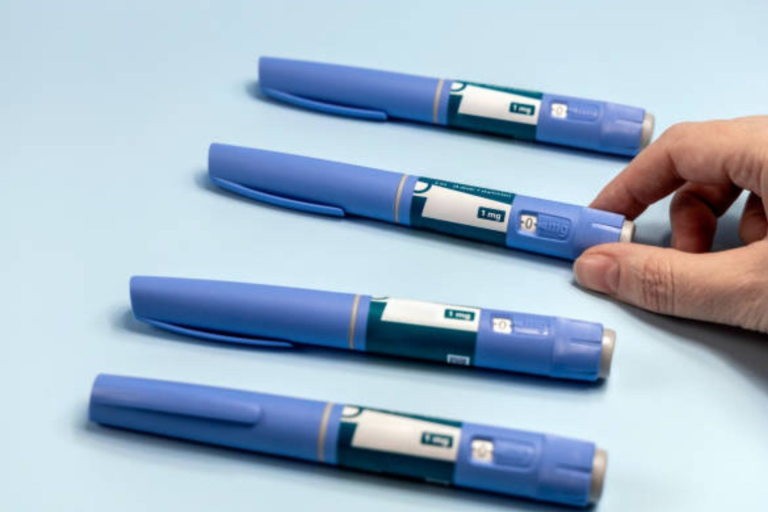
Public Figures Discuss GLP-1 Medications and Clinical Efficacy
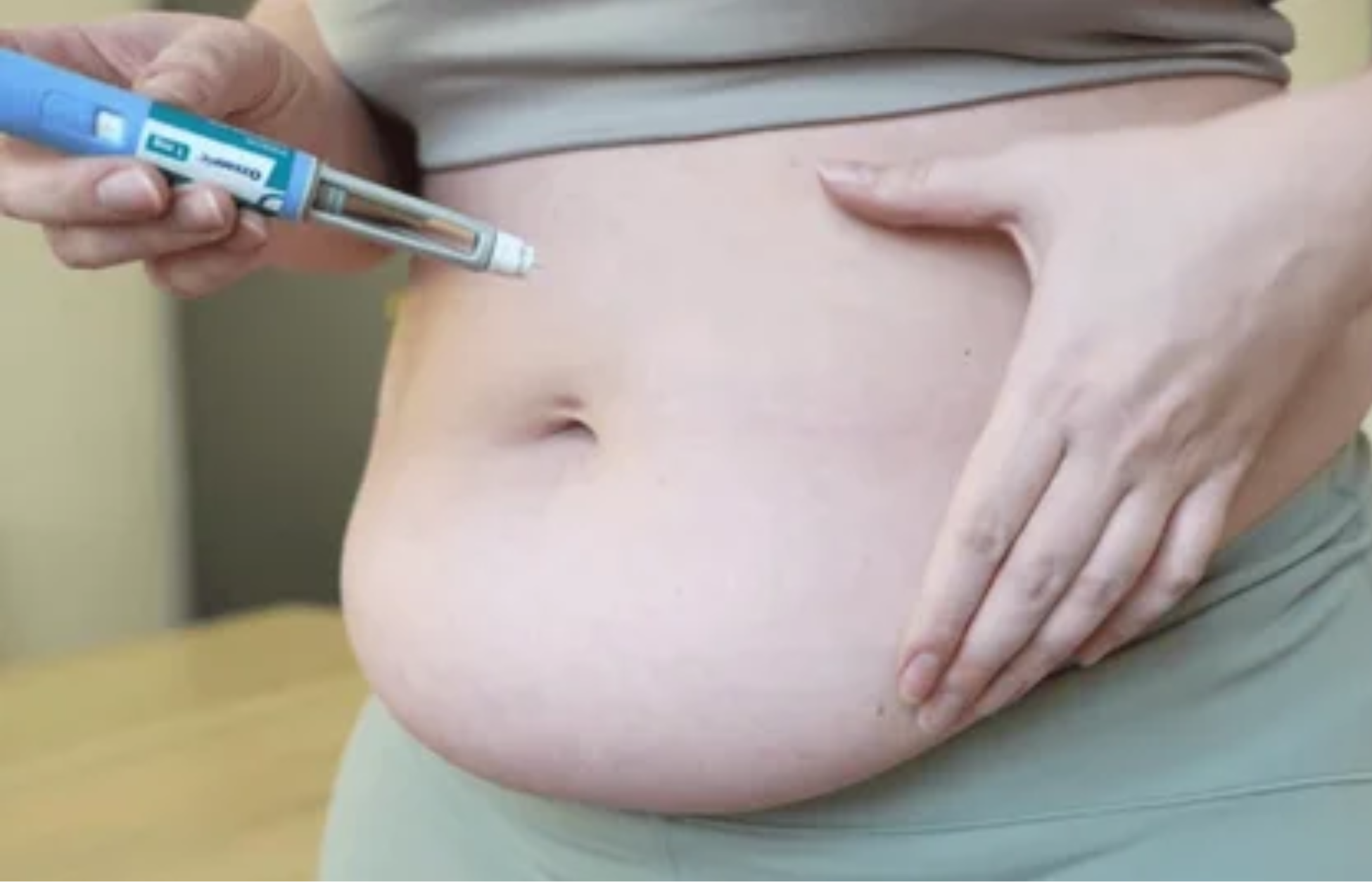
A popular daytime talk show recently brought weight loss drugs into the main spotlight for millions of viewers. During the broadcast, several well known hosts shared their own personal stories about using these specific weekly injections. One guest explained that a pre-diabetes diagnosis led her to start the treatment under medical care. Another speaker mentioned losing twenty five pounds, which sparked a larger debate about health and public transparency.
The conversation eventually turned toward how public officials handle their own private health decisions. Some participants argued that if taxpayer money pays for these drugs, the leaders should be more open. This creates a difficult situation for many health insurance companies and state-funded programs today. In light of this, the cost of these medications remains a major hurdle for many families.
These medications work by copying a natural hormone that our bodies already make to manage blood sugar. They help the pancreas release insulin while also signaling the brain that the stomach is full. Consequently, patients feel less hungry throughout the day and find it much easier to manage their weight. Federal agencies have approved these tools for both type 2 diabetes and chronic weight issues.
Many doctors now believe these drugs are the most effective options currently available for long-term weight control. While most people use a small needle for their dose, some pill versions have hit the market. These newer options help patients who are not comfortable with needles or injections at home. Along with this, the treatment helps improve several other health markers like blood pressure levels.
However, users often deal with stomach issues like nausea, bloating, or even painful constipation during the first few weeks. Some people also notice they feel much more tired than usual while their bodies adjust. Rapid weight loss can sometimes lead to thinning hair or a loss of important muscle mass. Therefore, doctors must watch their patients closely to ensure the dose remains safe and effective.
There are also rare but serious risks like gallbladder problems or inflammation of the pancreas to consider. If a person stops taking the medication suddenly, they will often see the weight return quite quickly. This happens because obesity is a long-term condition that requires constant management rather than a quick fix. Hence, medical professionals usually describe these injections as a permanent commitment to better health.
The open discussion on television shows that society is starting to view weight loss help differently. In the past, many people felt ashamed for using medicine to help manage their body weight. Modern clinical evidence proves that these tools are grounded in real science rather than just willpower. Building on this, better access to these treatments could change the future of public health.
Furthermore, medical researchers continue to study how these drugs might protect the heart over many years. Early data suggests that patients may have a lower risk of heart attacks or strokes while on therapy. This potential benefit makes the medication even more valuable for people with multiple health concerns. Consequently, insurance providers are facing growing pressure to cover these life changing treatments for more individuals.