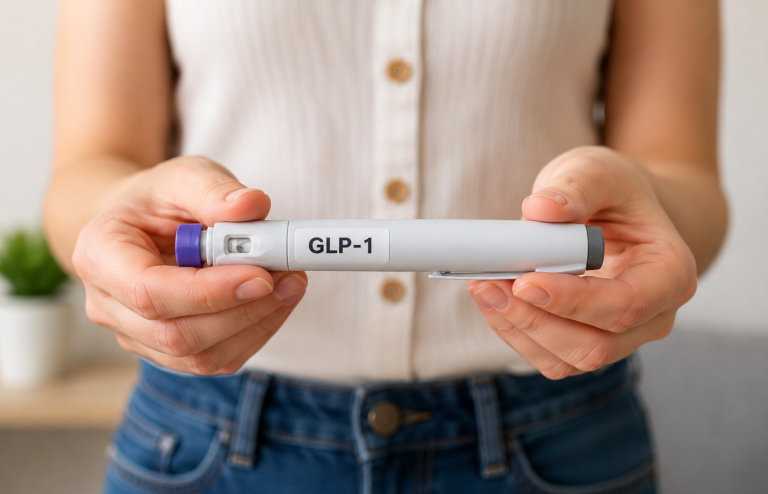
GLP-3 Versus GLP-1: A Clinical Comparison for Weight Loss Management
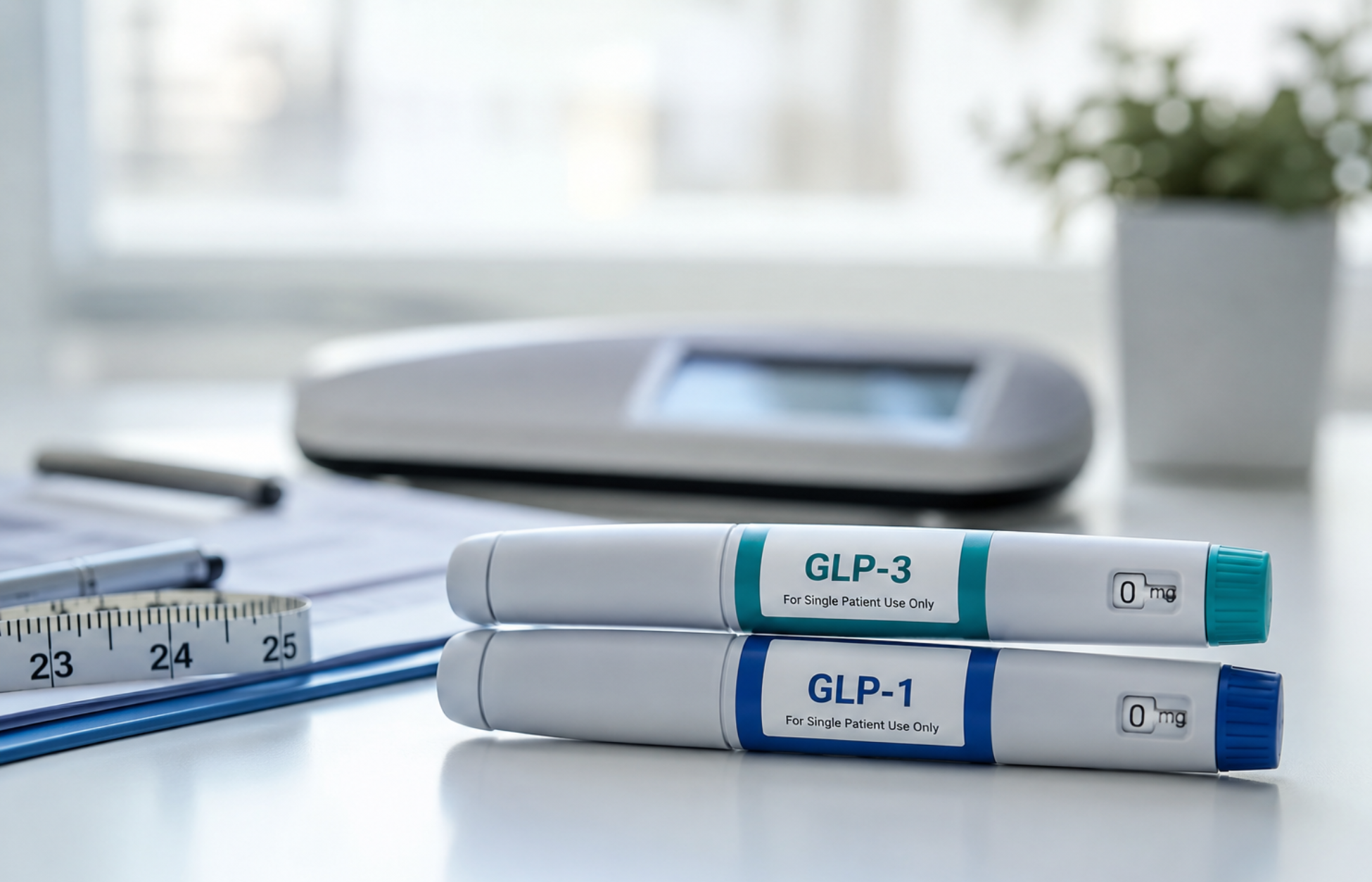
Clinicians and patients often come across the term GLP-3 when discussing new obesity treatments. This term does not have a formal standing in endocrinology. However, it is frequently mentioned in clinical discussions, investor meetings, and patient groups. To provide accurate treatment advice, it is important to understand what this term really means. This analysis looks at the differences in mechanisms, clinical applications, and regulatory aspects between established therapies and experimental agents.
Clarifying Terminology in Incretin-based Therapy
Glucagon-like peptide-1, or GLP-1, is a naturally occurring hormone made in the gut. It helps regulate insulin secretion, slows down gastric emptying, and reduces appetite by signaling the central nervous system. In contrast, glucagon-like peptide-2, or GLP-2, has a similar structure but serves a different function. GLP-2 supports the health of the intestinal lining and nutrient absorption but does not significantly affect body weight.
There is no third hormone called GLP-3 in the human body. Instead, this term is commonly used to refer to a class of experimental drugs known as triple-receptor agonists. These agents target the GLP-1 receptor along with two other pathways. As a result, they produce effects that go beyond what single-receptor GLP-1 medications can achieve. Using this term as if it represents a true hormone misrepresents the science involved.
Mechanistic Differences Among GLP-1, GIP, and Glucagon Pathways
Currently established GLP-1 receptor agonists, like semaglutide, work mainly through one incretin pathway. Tirzepatide expands this mechanism by activating the glucose-dependent insulinotropic polypeptide receptor at the same time. This dual action seems to enhance appetite suppression and glycemic control. Therefore, tirzepatide usually shows greater average weight reduction compared to single-agonist treatments in studies.
Triple-agonist drugs, especially retatrutide, add glucagon receptor activation to the GLP-1 and GIP mechanism. Glucagon signaling tends to increase glucose production in the liver. This might seem counterproductive for a weight loss agent. However, researchers suggest that activating the glucagon receptor may actually increase energy expenditure. This could help counteract the metabolic adaptation that sometimes limits weight loss with just GLP-1 therapy.
Comparative Efficacy Data Across Agents
Semaglutide and Tirzepatide Outcomes
Clinical trials for semaglutide show significant weight loss. Participants lost between 15 and 17 percent of their starting body weight over 68 weeks (Wilding et al., 2021). Trials for tirzepatide indicate even better results, with participants achieving up to a 22.5 percent reduction in body weight at the highest studied dose (Jastreboff et al., 2022). Both medications are approved and have a solid safety record.
Retatrutide Phase Data
Phase 2 trials for retatrutide showed weight losses of around 24 percent at the highest dosage (Jastreboff et al., 2023). Later trial phases monitored participants for 40 weeks. Those on the highest studied dose lost significant weight and had measurable improvements in glycated hemoglobin. However, the results from Phase 2 and early Phase 3 trials do not qualify for regulatory approval.
Safety Considerations and Unresolved Questions
Gastrointestinal issues like nausea, diarrhea, and vomiting appear consistently across all three drug classes. This pattern is consistent with the known tolerability profiles of GLP-1 agonists. However, retatrutide trials reported dysesthesia in about 2.3 to 4.5 percent of participants. This burning or painful sensation has not been seen in approved GLP-1 therapies.
The clinical importance of this issue is still being studied. Researchers have yet to determine if dysesthesia is related to glucagon receptor activation or if it is just an incidental finding that needs more investigation. Given this uncertainty, clinicians should consider efficacy data while also reviewing the safety profile carefully. Assuming the safety database is conclusive at this stage would not accurately reflect the evidence.
Regulatory Status and Clinical Access
Semaglutide and tirzepatide are approved by the United States Food and Drug Administration. Their approval covers weight management and type 2 diabetes indications, depending on the formulation. Both drugs have established dosing protocols and defined insurance coverage options. They are also subject to multi-year post-marketing safety monitoring. In contrast, retatrutide is still classified as investigational and has no approved uses.
This difference affects patient consultations directly. Access, cost, and long-term coverage for retatrutide are still unclear because no regulatory process has concluded. Patients managing weight or type 2 diabetes should not see ongoing research as a sign that existing treatments are outdated. Thus, established GLP-1 and dual-agonist therapies remain the current standard.
Clinical Implications for Current Treatment Decisions
The pipeline for obesity drug development features over 100 compounds at various stages of research. This variety indicates significant ongoing investment in this area. While this expansion benefits the medical field, no single investigational drug should be seen as a clear replacement for current therapies. Drug development does not follow a straightforward replacement model, and various mechanisms will likely coexist.
Access issues need special attention as this pipeline develops. Effective treatments without corresponding affordability or availability offer limited benefits to the public. Therefore, evaluations should go beyond just weight-loss percentages as triple-agonist drugs advance. Assessments must also consider safety maturity, production capacity, and insurance coverage design. These factors combined will determine if experimental therapies translate into real clinical benefits.
Conclusion
The difference between genuine GLP-1 biology and the informal GLP-3 term is clinically significant. GLP-1 and GLP-2 are distinct, well-defined hormones with separate functions. At the same time, triple-agonist drugs represent a new but still experimental class. Semaglutide and tirzepatide currently provide the best combination of proven effectiveness, established safety data, and regulatory approvals. Retatrutide shows promising early results, but unresolved safety concerns demand ongoing caution.
References
Jastreboff, A. M., Kaplan, L. M., Frías, J. P., Wu, Q., Du, Y., Gurbuz, S., Coskun, T., Haupt, A., Milicevic, Z., & Hartman, M. L. (2023). Triple-hormone-receptor agonist retatrutide for obesity: A phase 2 trial. New England Journal of Medicine, 389(6), 514–526. https://doi.org/10.1056/NEJMoa2301972
Jastreboff, A. M., Aronne, L. J., Ahmad, N. N., Wharton, S., Connery, L., Alves, B., Kiyosue, A., Zhang, S., Liu, B., Bunck, M. C., & Stefanski, A. (2022). Tirzepatide once weekly for the treatment of obesity. New England Journal of Medicine, 387(3), 205–216. https://doi.org/10.1056/NEJMoa2206038
Wilding, J. P. H., Batterham, R. L., Calanna, S., Davies, M., Van Gaal, L. F., Lingvay, I., McGowan, B. M., Rosenstock, J., Tran, M. T. D., Wadden, T. A., Wharton, S., Yokote, K., Zeuthen, N., & Kushner, R. F. (2021). Once-weekly semaglutide in adults with overweight or obesity. New England Journal of Medicine, 384(11), 989–1002. https://doi.org/10.1056/NEJMoa2032183