Novo Nordisk’s Oral GLP-1 Momentum Faces a Decisive Pricing Test

Novo Nordisk (NYSE: NVO) confronts a critical inflection point ahead of its first-quarter 2026 earnings report on May 6. UBS has flagged those results as the first substantive measure of the company’s economics under lower price points for its glucagon-like peptide-1 (GLP-1) receptor agonist portfolio. The bank maintains a neutral rating on Novo Nordisk with a price target of DKr332 [approximately USD $47.50].
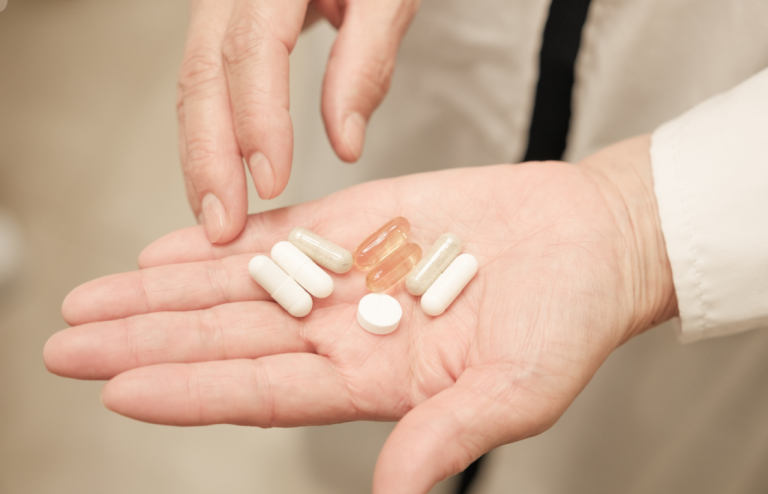
The oral form of Wegovy (semaglutide 25 mg tablets) has become the main focus for investors. IQVIA data show that the number of prescriptions has come close to 100,000 doses per week. UBS, on the other hand, says that those numbers only show about 60% of the actual prescriptions written, which means that more patients are using the drugs than the reported volumes suggest. The Wegovy pill was first sold in the United States by Novo Nordisk in January 2026, after the FDA gave its approval on December 22, 2025.
Novo Nordisk said that starting on January 1, 2027, the US list prices for Wegovy, Ozempic, and Rybelsus will drop by a lot. The company set a single price of $675 per month for all three semaglutide products. So, the company admits that changes in US prices will have a “low single digit” negative effect on global sales growth in 2026, but volume growth may make up for that pressure.
The company’s market position has weakened considerably in recent months. Novo Nordisk has shed approximately 27% of its market capitalization year to date. Full-year 2026 guidance fell materially below analyst expectations, and the REDEFINE-4 clinical trial demonstrated that CagriSema, a dual amylin and GLP-1 receptor agonist combination, performed below Eli Lilly’s Zepbound (tirzepatide) on key weight loss endpoints.

The pressure from competitors is getting stronger, even more so than Eli Lilly’s pipeline. Before the FDA makes a decision on whether or not to approve orforglipron, Eli Lilly has said that it has a $1.5 billion inventory of the drug. Goldman Sachs thinks that oral GLP-1 agents will make about $22 billion in sales around the world each year by 2030. This would be about 24% of the total obesity drug market. Goldman Sachs says that Eli Lilly’s oral agent will take about 60% of that market, which is about $13.6 billion.
Novo Nordisk has done things to protect its share of the branded market. The company got a court order against Hims and Hers Health to stop them from selling unapproved, compounded semaglutide products. Novo Nordisk then came up with a multi-month subscription plan for Wegovy that lets patients pay for three, six, or twelve months at a time. This makes it easier for patients who pay in cash to know how much they will have to pay each month. Patients who choose longer subscription terms may be able to save up to $1,200 a year on the injectable formulation.
Adherence barriers continue to pose significant clinical and commercial challenges within the GLP-1 drug class. A 2025 study found that about 65% of obese patients stop taking GLP-1 therapy within a year. Many people drop out because of gastrointestinal side effects and access issues, such as needing prior approval and having limited formularies. So, just because more prescriptions are written doesn’t mean that revenue will stay the same unless payers expand coverage and patients keep getting treatment.
The Institute for Clinical and Economic Review’s health economists say that the current net prices of about $7,000 to $9,000 per year, or about $600 to $750 per month, are in line with US cost-effectiveness standards for treating obesity. Novo Nordisk’s pricing strategy is aimed at Medicare, Medicaid, and direct-pay patients who pay cash and whose out-of-pocket costs are directly related to the list price. The company’s own guidance also says that the volume gains from new patient populations could make up for the lower unit prices that hurt margins. The results for the first quarter of 2026 will be the best test yet of whether that volume-driven thesis holds up in the real world.