Novo Nordisk Launches Wegovy Subscription Program Ahead of Anticipated Oral GLP-1 Competition
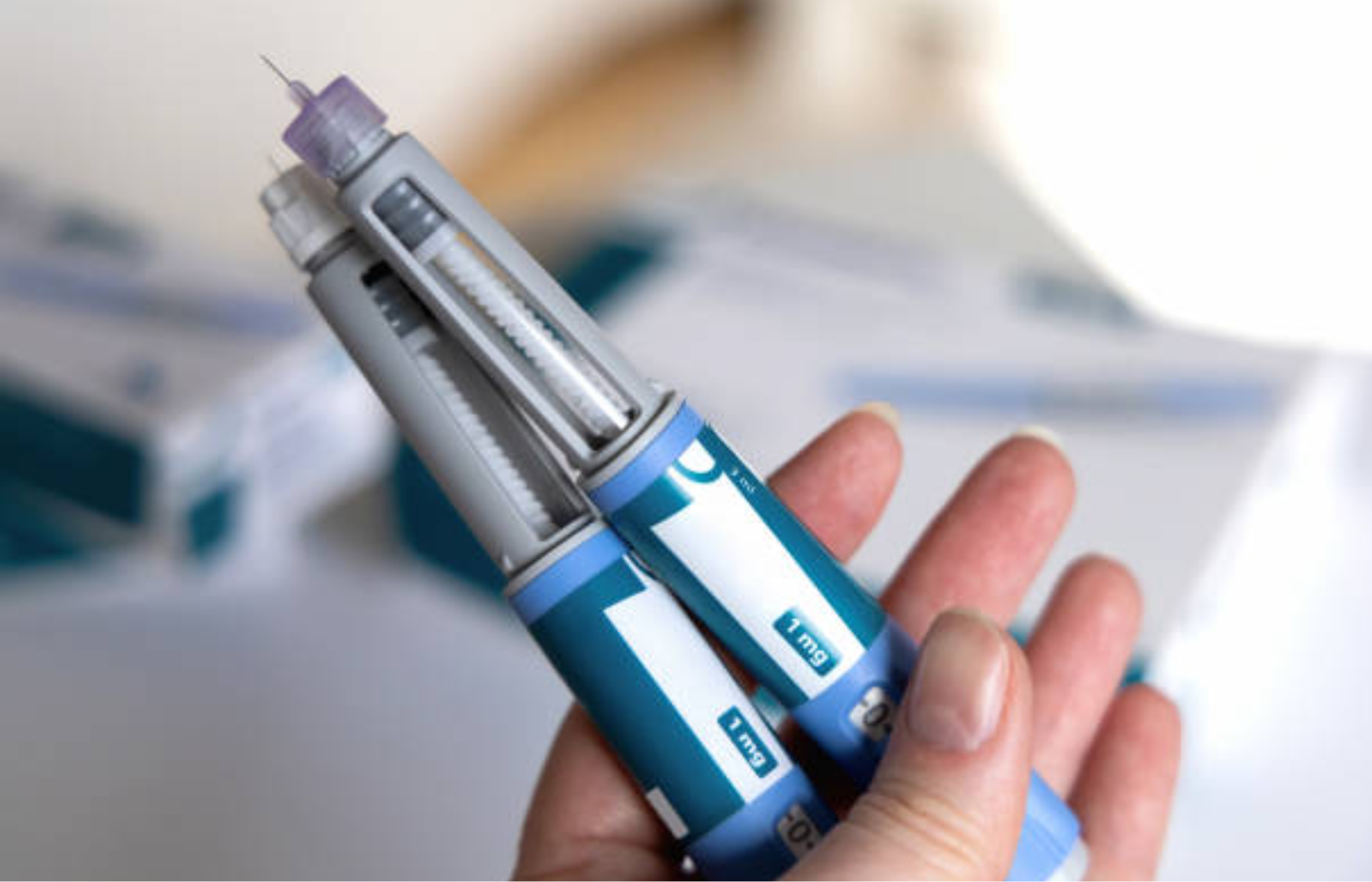
Novo Nordisk recently launched a pioneering multimonth subscription program for its semaglutide obesity medication. This initiative offers a fixed monthly rate for self pay patients to improve long term affordability. Consequently, participants can realize annual savings of up to $1,200 by committing to a 12 month service plan. The model currently operates through specific telehealth platforms to streamline patient access and distribution.
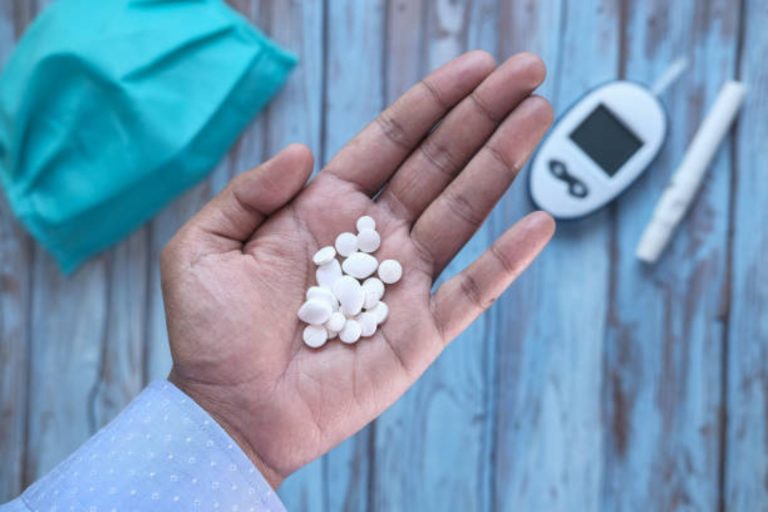
The timing of this launch precedes the expected federal approval of a competing daily oral treatment. National health data indicate that over 300,000 prescriptions for oral semaglutide were filled during the first two months of this year. Therefore, Novo Nordisk is prioritizing patient retention before the competitive landscape changes. The company aims to secure its market position as new therapeutic options enter the pharmaceutical space.
Administration protocols for oral semaglutide require patients to follow strict fasting and water intake rules every morning. In light of this, the upcoming competitor medication offers a more flexible alternative without these specific timing restrictions. Industry analysts suggest that greater convenience serves as a meaningful clinical differentiator for new patient populations. Building on this, experts anticipate a shift in prescription growth once these simplified oral options become available.
The oral segment of this market attracts a unique demographic of individuals seeking obesity treatment. Data show that over 90 percent of current oral users represent new patients rather than individuals switching from injections. Thus, oral agents expand the total addressable population instead of reducing demand for existing injectable products. This market expansion reflects a broader trend toward accessible and diverse treatment modalities for chronic conditions.
Federal policy shifts also influence the future trajectory of obesity care and patient adoption rates. National insurance programs expect to extend coverage to these medications for eligible seniors starting this July. Given this, monthly costs for covered individuals could drop to approximately $50 per prescription. This policy change marks a significant departure from historical exclusions and will likely drive future healthcare utilization.
Manufacturing economics creates long term structural differences between peptide based therapies and small molecule compounds. Semaglutide involves higher production costs and more complex logistics than traditional chemical syntheses. Along with this, small molecule drugs often bypass the expensive cold chain storage requirements necessary for biologics. Accordingly, manufacturers of small molecule treatments may hold a cost advantage in broad distribution networks.
Clinical outcomes depend heavily on patient adherence to daily or weekly medication schedules. Weekly injections may yield higher compliance rates for some individuals compared to the behavioral demands of daily tablets. To be precise, human consistency regarding daily therapeutic regimens is historically variable. In view of this, real world effectiveness remains a critical consideration for providers selecting between different administration methods.
Comparison: Weekly vs. Daily
| Feature | Weekly Injection (e.g., Wegovy) | Daily Oral (e.g., Rybelsus/Future Orals) |
|---|---|---|
| Frequency | Once per week | Once per day |
| Administration | Subcutaneous needle | Tablet by mouth |
| Storage | Often requires refrigeration | Shelf-stable |
| Adherence Risk | Forgetting the “weekly day” | “Pill fatigue” / Daily forgetfulness |
| Primary Benefit | “Set and forget” | No needles / Traditional routine |
The GLP-1 market is no longer a monolithic entity defined by a single injectable drug. We are entering an era of “diversified metabolic medicine,” where subscriptions, oral formulations, and expanded insurance coverage are coming together to create a more accessible landscape.
Novo Nordisk’s subscription programme is a sophisticated response to a changing market, a way to provide affordability today while building the loyalty needed to weather the competition of tomorrow. Meanwhile, the rise of oral medications promises to bring GLP-1 therapy to millions of people who were previously “needle-shy” or logistically constrained.
As we look toward the July coverage milestones and the approval of new small-molecule treatments, the ultimate winner is the patient. Increased competition leads to lower prices, better delivery methods, and, most importantly, more choices for those managing the chronic challenge of obesity.
The journey toward metabolic health is personal, but for the first time in history, the pharmaceutical and policy “wind” is at the patient’s back. Whether through a weekly injection, a daily pill, or a telehealth subscription, the path to long-term health has never been more accessible.