FDA Grants Approval to Orforglipron, Marking the First Freely Accessible Oral GLP-1 Treatment for Obesity

Regulatory bodies recently approved orforglipron for adults with obesity. This daily oral medication targets the glucagon-like peptide-1 receptor. It represents a significant advancement in pharmacological weight management. The treatment offers a vital option for those requiring medical intervention.
In view of this, the medication differs from existing oral therapies. Current treatments require strict fasting before administration. Patients must also limit their water intake significantly. These requirements often create a burden for many individuals.
Orforglipron eliminates these specific dosing constraints. Patients may take the tablet at any time. One does not need to consider food intake. Along with this, the drug improves daily treatment flexibility.
To be precise, the lack of restrictions enhances patient adherence. This ease of use supports a broader population. Simple administration helps those with complex daily routines. Consequently, this development simplifies the treatment process for many.
Clinical trials demonstrate the efficacy of this new medication. Participants taking the highest dose achieved substantial weight loss. The mean reduction reached approximately 12.2 kilograms. Furthermore, this progress occurred over eighteen months.
In light of this, patients must maintain healthy habits. Success requires a reduced-calorie diet and regular exercise. The results reflect a combined lifestyle and medical approach. Therefore, the medication acts as a supportive tool.
The safety profile matches other established receptor agonists. Patients may experience nausea or constipation. Diarrhea also remains a common gastrointestinal side effect. These reactions align with the standard mechanism of the drug.
Clinicians should apply existing monitoring frameworks for safety. This includes regular patient counseling and health reviews. One must follow guidance provided by federal health agencies. Careful observation ensures the best outcomes for every patient.
The medication mimics the natural incretin hormone in the body. This process stimulates insulin secretion and suppresses glucagon. It also reduces appetite through central nervous system pathways. To be precise, these actions help control caloric intake.
Delayed gastric emptying further contributes to feelings of fullness. This mechanism underpins the weight loss observed in patients. Most GLP-1 therapies rely on these biological interactions. Each factor works to improve metabolic health over time.
The approval of an unrestricted formulation expands clinical options. It reduces barriers that previously limited oral therapy uptake. Patients no longer face strict morning routines for their medication. This change marks a shift in obesity management.
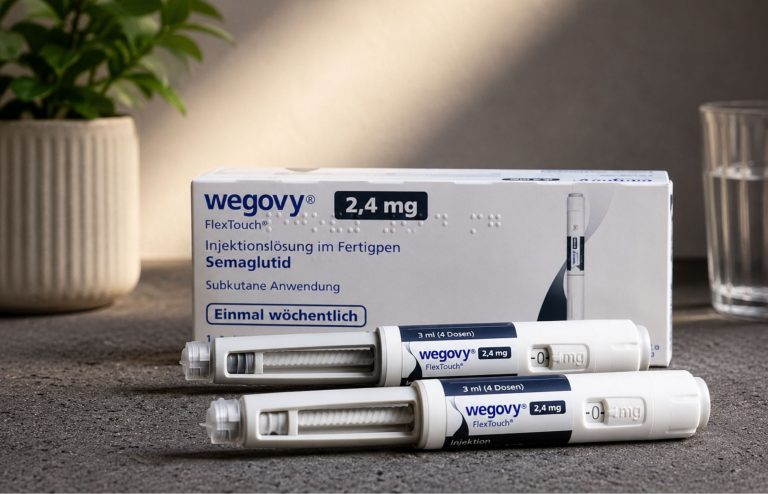
Furthermore, the oral format provides an alternative to injections. Many individuals prefer tablets for their convenience and ease. This innovation supports long-term health goals through better accessibility. The medical community welcomes this versatile pharmacological tool.
In light of this, experts anticipate a shift in prescribing patterns. Oral delivery typically improves patient satisfaction rates. Many individuals find tablets more discreet than injectable pens. This psychological benefit may encourage earlier intervention in clinical settings.
To be precise, the molecular structure allows for effective gastric absorption. Researchers developed this non-peptide molecule to survive the digestive environment. Along with this, the chemical design ensures stable blood levels. This stability remains vital for consistent appetite suppression.
Furthermore, national health departments evaluate new treatments for efficiency. They consider how easily patients can integrate pills into their lives. Simplified dosing often leads to better long-term health outcomes. Reduced complexity lowers the risk of missed doses or errors.
In view of this, healthcare providers must discuss realistic expectations. While the drug is effective, it requires consistent daily use. Clinicians should monitor metabolic markers during the initial months. This ensures the dosage remains appropriate for the patient.