Beyond Beauty: Why GLP-1 Drugs Are Changing the Beauty Supplement Market
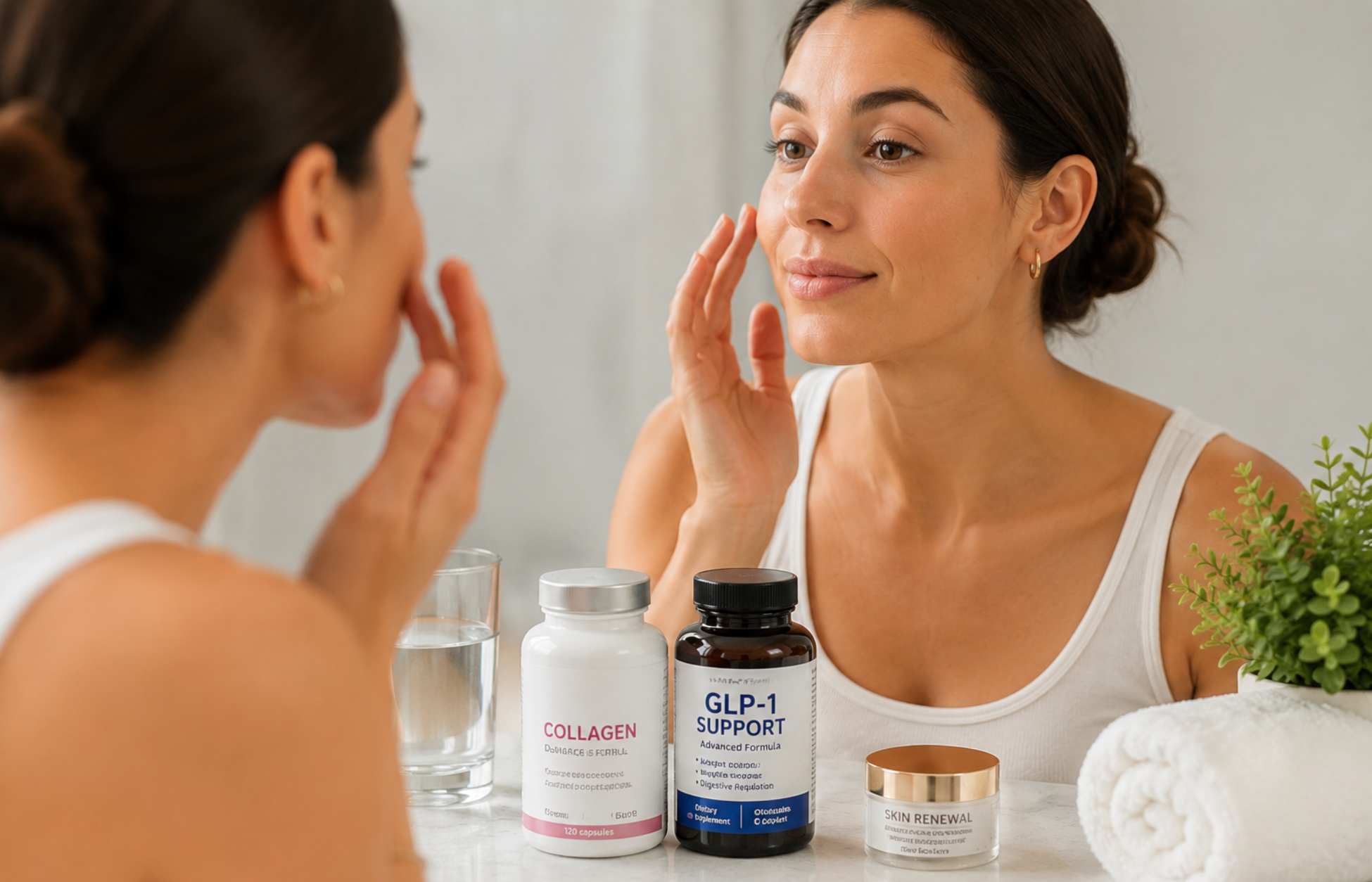
When people drop weight quickly on GLP-1 drugs, it shows on their bodies. Beyond the scale, these medications cause noticeable side effects like loose skin, thinning hair, and loss of facial volume often called “Ozempic face.” Because of this, what started as a medical treatment for diabetes and weight loss has turned into a major trend in the beauty and supplement industry.
As more people take these drugs, there is a growing demand for supplements that actually help manage these side effects. For supplement makers, this isn’t just a trend; it’s a huge business opportunity. However, helping consumers through these physical changes requires real science, not just clever marketing.
The End of Single-Ingredient Supplements
For years, the “beauty from within” market relied on simple, single-ingredient products. You took biotin for your hair, collagen for your skin, or omega-3s for inflammation.
That old approach assumed people only had one isolated problem at a time. But people taking GLP-1 medications are dealing with several physical changes all at once.
When you lose weight rapidly, you don’t just lose fat. Studies show that up to 45% of the weight lost on these medications can actually be lean muscle tissue. On top of that, because these drugs reduce appetite so dramatically, people end up eating far less protein and fewer key vitamins and minerals every day.
This rapid drop in nutrient intake affects the whole body. Sunken cheeks, saggy skin, and hair shed aren’t just surface-level cosmetic issues; they are signs that the body is low on basic nutrients and muscle mass. Taking a single biotin pill won’t fix a body that is running low on overall protein and key minerals. Supplement companies need to offer complete, multi-nutrient formulas instead.
What the Science Already Tells Us
Luckily, we don’t need to reinvent the wheel to fix these problems. We already have plenty of research showing what the body needs during rapid weight loss:
- Protein: Eating enough protein protects muscle mass when you’re cutting calories.
- Collagen Peptides: Dozens of clinical studies show that collagen helps keep skin hydrated, firm, and elastic.
- Key Vitamins and Minerals: Nutrients like iron, zinc, vitamin D, and vitamin B12 keep cells repair-ready and keep hair follicles active.
- Zinc helps maintain the skin’s protective outer layer.
- Vitamin D keeps hair growth cycles on track.
- Iron and B12 help deliver oxygen and energy to tissues, keeping hair thick and skin healthy.
By combining these proven ingredients, brands can create products that treat the root causes of weight-loss side effects rather than just slapping a band-aid on one symptom.

Consumers Want Real Proof, Not Hyped Claims
Today’s shoppers, especially those working closely with a doctor on weight loss are smart. They pay close attention to their bodies and read product labels carefully.
The supplement market is full of products making big promises. Some use ingredients backed by real human trials, while others rely on catchy slogans and zero evidence. But consumers on medical weight loss journeys tend to do their research. They cross-check what a product claims with actual health facts.
Brands have a clear choice here: they can rely on cheap marketing, or they can invest in formulas that actually work. Brands that back up their products with real science will earn long-term trust, while those selling snake oil will lose credibility fast.
Navigating the Rules and Regulations
Regulations on supplement claims are strict. Legitimate brands cannot claim that a supplement “treats” or “cures” a medical side effect caused by a prescription drug doing so turns a supplement into an unapproved medication in the eyes of regulators.
Instead, companies must stick to approved, structure-function claims. For example, a label can legally say a product “supports healthy skin elasticity,” “maintains normal hair growth,” or “promotes healthy protein intake.”
Staying compliant isn’t just about avoiding fines; it opens up big retail channels. Doctors, pharmacies, and popular telehealth platforms will only stock or recommend products that follow the rules and have solid science behind them. In fact, telehealth platforms which already track a patient’s age, weight loss speed, and diet are becoming the main place where patients get recommendations for these supportive products.
Looking Ahead: A Growing Market
The medical weight loss industry isn’t slowing down. Newer, stronger weight-loss drugs are already coming to market, meaning millions more people will be using them in the coming years.
Because side effects like hair shedding and skin looseness come from rapid weight loss itself (rather than one specific brand of medication), the need for supportive nutrition will stick around. Formulations designed around human physiology will remain relevant no matter which new weight-loss drugs hit the market next.
Smart brands are already bundling these supportive supplements directly with weight-loss prescriptions or offering subscription models that adjust as the patient’s body changes over time.
Conclusion
Side effects from GLP-1 medications are a natural result of the body adapting to rapid weight loss. Single-ingredient beauty products just aren’t enough to tackle muscle loss, sagging skin, and thinning hair all at once.
The future of beauty supplements lies in science-backed, all-in-one formulas that combine quality protein, collagen, and essential micronutrients. Brands that focus on real human biology and stick to honest, compliant claims will lead the market for years to come.
References
Bauer, J., Biolo, G., Cederholm, T., Cesari, M., Cruz-Jentoft, A. J., Morley, J. E., Phillips, S., Sieber, C., Stehle, P., Teta, D., Visvanathan, R., Volpi, E., & Boirie, Y. (2013). Evidence-based recommendations for optimal dietary protein intake in older people. Journal of the American Medical Directors Association, 14(8), 542–559. https://doi.org/10.1016/j.jamda.2013.05.021
Harahap, N. S., Muis, S. F., & Purwoko, Y. (2024). Hydrolyzed collagen and skin rejuvenation: A systematic review and meta-analysis. Cureus, 16(1), e51234. https://doi.org/10.7759/cureus.51234
Jastreboff, A. M., Aronne, L. J., Ahmad, N. N., Wharton, S., Connery, L., Alves, B., Kiyosue, A., Zhang, S., Liu, B., Bunck, M. C., & Stefanski, A. (2022). Tirzepatide once weekly for the treatment of obesity. New England Journal of Medicine, 387(3), 205–216. https://doi.org/10.1056/NEJMoa2206038
Neeland, I. J., Linge, J., & Birkenfeld, A. L. (2024). Changes in lean body mass with GLP-1-based therapies and mitigation strategies. Diabetes, Obesity and Metabolism, 26(Suppl 4), 16–27. https://doi.org/10.1111/dom.15656
Patel, D. P., Swink, S. M., & Castelo-Soccio, L. (2017). A review of the use of biotin for hair loss. Skin Appendage Disorders, 3(3), 166–169. https://doi.org/10.1159/000462981
Wilding, J. P. H., Batterham, R. L., Calanna, S., Davies, M., Van Gaal, L. F., Lingvay, I., McGowan, B. M., Rosenstock, J., Tran, M. T. D., Wadden, T. A., Wharton, S., Yokote, K., Zeuthen, N., & Kushner, R. F. (2021). Once-weekly semaglutide in adults with overweight or obesity. New England Journal of Medicine, 384(11), 989–1002. https://doi.org/10.1056/NEJMoa2032183