The Cheapest Way to Get GLP-1 Pills in the US: A Strategic Guide to Cost-Efficient Access
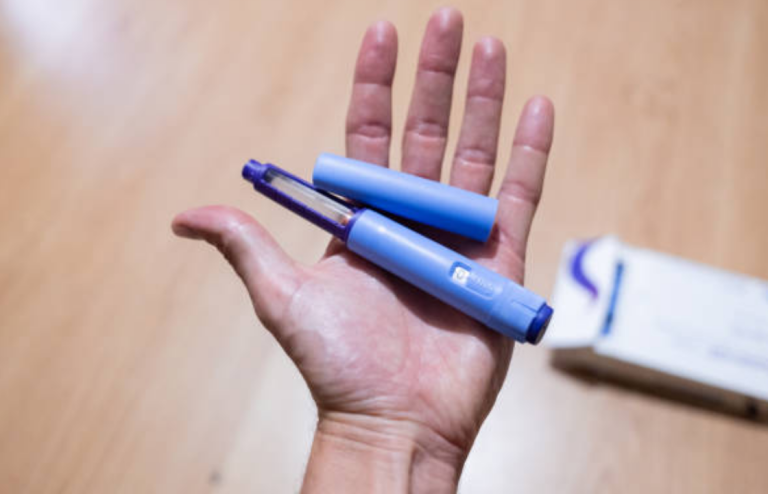
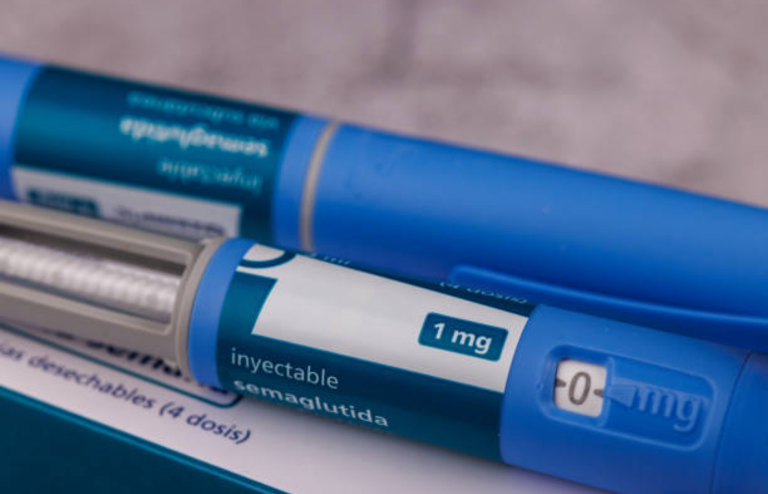
In the modern landscape of metabolic health, few pharmacological breakthroughs have garnered as much attention, or as much sticker shock, as GLP-1 (Glucagon-like peptide-1) receptor agonists. While initially developed to manage glycaemic control in Type 2 Diabetes, these medications, particularly semaglutide, have revolutionised the treatment of obesity and chronic weight management. However, for many patients, the primary obstacle to health is not medical efficacy, but financial accessibility.
GLP-1 receptor agonists work by mimicking a natural hormone produced in the gut. They stimulate insulin secretion, inhibit glucagon release, and significantly slow down gastric emptying, which induces a prolonged feeling of satiety.
The Wegovy pill quickly gained traction with over 3,071 prescriptions in the first days following its launch. This rapid uptake highlights a significant demand for alternative delivery methods in GLP-1 medications. As more patients seek effective solutions that fit their lifestyle preferences, the introduction of Wegovy in pill form is a promising advancement.
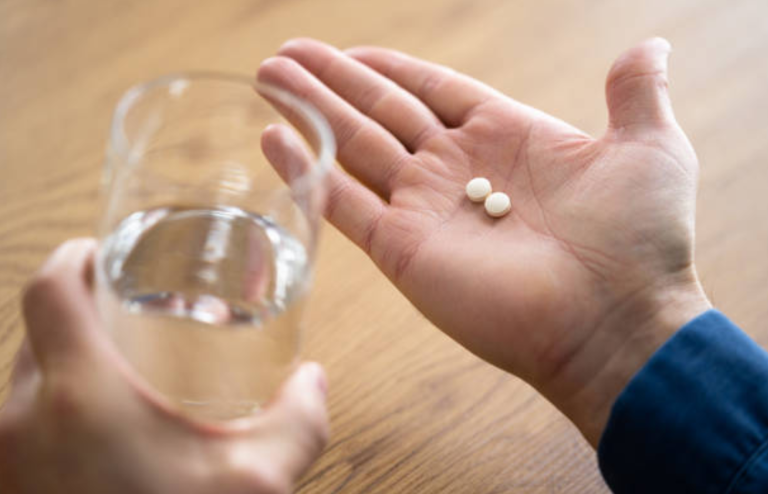
There is also another oral variant, marketed under the brand name Rybelsus, which has emerged as a vital alternative for those who prefer a pill over a needle. Rybelsus utilizes a specialized absorption enhancer called SNAC (salcaprozate sodium) to ensure the semaglutide survives the harsh acidic environment of the stomach, a feat once thought impossible for peptide-based drugs.
Understanding the Landscape: Why Are GLP-1 Pills So Costly?
To find the cheapest way to access these drugs, one must first understand why they are expensive in the first place. The United States healthcare market is unique in that it lacks the centralized price negotiations found in the United Kingdom or Canada. Consequently, pharmaceutical manufacturers hold significant power over pricing, particularly when a drug is under patent protection.
Patent Protections and the Generic Vacuum
The primary reason for the high cost of Rybelsus is the absence of generic semaglutide. Novo Nordisk, the manufacturer, holds several patents on the semaglutide molecule and the specific SNAC technology that allows for oral delivery. According to the FDA’s Orange Book, these patents are not expected to expire until the early 2030s. Without competition from generic manufacturers, there is no downward pressure on the brand-name price.
The Role of Pharmacy Benefit Managers (PBMs)
Pharmacy Benefit Managers are the middlemen of the drug world. They negotiate rebates from manufacturers on behalf of insurance companies. While these rebates are intended to lower costs, they often create “rebate walls.” PBMs may prioritize a high-cost drug on a formulary because the manufacturer offers a larger rebate to the insurer, even if a cheaper therapeutic alternative exists. For the patient, this results in high tier-based copays. A report by the Kaiser Family Foundation (KFF) highlights how these complex pricing structures often leave patients bearing the brunt of the “list price” until their deductible is met.
List Price vs. Net Price
It is crucial to distinguish between the Wholesale Acquisition Cost (WAC) and the Net Price. The WAC is the public-facing price, while the Net Price is what the insurer actually pays after rebates. Unfortunately, most consumer-facing discount tools, like GoodRx, work off the WAC. For the patient, the goal is to find a way to access the Net Price or lower through legitimate financial assistance.
Strategy 1: Maximizing Manufacturer Savings Cards and Coupons
For those with commercial insurance, the single most effective way to lower the cost of GLP-1 pills is through manufacturer-sponsored savings cards. These programmes are designed to bridge the gap between what your insurance covers and the high copay that remains.
The Wegovy Savings Card
The Wegovy savings card is a prescription cost-saving program offered by the manufacturer of Wegovy (semaglutide) that helps eligible patients with commercial (private) insurance reduce their out-of-pocket costs for the medication. When you have insurance that covers Wegovy and a valid prescription, enrolling in the savings card can lower what you pay at the pharmacy, with monthly copays potentially as low as around $25 and a cap on total savings per fill, depending on the current program terms. The offer is not health insurance and typically cannot be used by patients on government plans like Medicare or Medicaid, but it can significantly lower costs compared with standard copays without the card. Terms, eligibility, and savings amounts can change, so patients should review the latest details and enroll through the official Wegovy or NovoCare outlets.
The Rybelsus Savings Card
Novo Nordisk offers a “Rybelsus Savings Card” that can dramatically reduce out-of-pocket costs. For eligible patients, the cost can be as low as $10 for a 30-day, 60-day, or 90-day supply. This card effectively pays the majority of the patient’s copay, up to a maximum benefit (often around $300 per month).
However, eligibility is strictly defined:
- Commercial Insurance: You must have private insurance (through an employer or the Marketplace).
- Government Program Exclusion: By law, patients enrolled in Medicare, Medicaid, TRICARE, or any other federal or state-funded programme are ineligible for these savings cards. This is due to the Anti-Kickback Statute, which prevents manufacturers from offering incentives to users of government-funded programmes.

Patient Assistance Programs (PAP) for the Uninsured
If you have no insurance at all, or if your income is below a certain threshold, you may qualify for the Novo Nordisk Patient Assistance Program. This programme provides the medication for free to those who meet the criteria. Generally, you must be a US citizen or legal resident and have a total household income at or below 400% of the federal poverty level. For a single person in 2024, this is approximately $60,240. This is arguably the “cheapest” way possible, as it results in a significantly reduced cost for the patient.
Before you pay full price at the pharmacy, visit the official Wegovy and Rybelsus websites to download your savings card and check your eligibility for patient assistance.
Strategy 2: Navigating Insurance Coverage and Prior Authorizations
Insurance companies are increasingly restrictive regarding GLP-1 coverage. To get the medication covered (and thus access the lower copay prices), you must navigate the “Prior Authorization” (PA) process with surgical precision.
The Importance of Medical Necessity
Insurance companies use clinical criteria to decide if they will pay for a drug. For GLP-1 pills, the primary criteria is usually a diagnosis of Type 2 Diabetes. Doctors use ICD-10 codes to communicate this; for instance, E11.9 denotes Type 2 Diabetes Mellitus without complications. If your doctor prescribes Wegovy Pill or Rybelsus for weight loss (an off-label use for this specific brand), insurance will almost certainly deny the claim immediately.
The Prior Authorization (PA) Step-by-Step
A Prior Authorization is essentially your doctor “asking permission” from your insurance to prescribe the drug. To increase the chances of approval:
- Documentation of A1C: Your doctor must provide lab results showing your A1C levels (typically 7.0% or higher).
- Step Therapy: Insurance companies often require “step therapy,” meaning you must try and “fail” on a cheaper medication first. Usually, this is Metformin. If you have a contraindication to Metformin (such as kidney issues or severe GI distress), your doctor must document this.
- Appeals: If the first PA is denied, do not give up. Many denials are automated. A formal appeal, written by your physician and citing specific clinical needs or contraindications to other drugs, can often overturn a denial.
Strategy 3: Evaluating Telehealth Platforms and Subscription Models
The surge in demand for GLP-1s has given rise to dedicated telehealth platforms like Ro, Hims/Hers, Sesame, and Noom. These platforms can sometimes be a cheaper way to obtain a prescription, especially if you lack a primary care physician who is comfortable prescribing these medications.
The Bundle Pricing Model
Telehealth companies often use a subscription model. You pay a monthly fee (ranging from $20 to $100) which typically includes:
- Digital consultations with a licensed provider.
- Assistance with the Prior Authorization process.
- Ordering of necessary lab work.
- The medication itself (in some “all-in-one” bundles).
Pros and Cons of the Telehealth Route
Pros:
- Specialised Care: These providers are experts in metabolic health and know exactly how to write a PA that gets approved.
- Convenience: No need for in-person visits or pharmacy queues.
Cons:
- Subscription Fatigue: The monthly membership fee is an additional cost on top of the drug.
- Medication Cost Variation: Some platforms only provide the prescription, meaning you still have to pay the pharmacy price. Others, like Sesame, offer transparent “cash pay” prices for the drug that may be lower than the local retail price.
According to a McKinsey & Company report, the rise of digital health has significantly lowered the “barrier to entry” for chronic disease management, but patients must be wary of “hidden” costs in long-term subscriptions.
Strategy 4: The Rise of Compounding Pharmacies for Oral Formulations
When brand-name drugs are in short supply or when they are financially out of reach, many turn to compounding pharmacies. Compounding is the process of creating a custom medication tailored to a patient’s needs.
What is “Compounded” Oral GLP-1?
It is vital to understand that compounded semaglutide is not generic Wegovy Pill or Rybelsus. Because Novo Nordisk holds the patent for the SNAC technology, compounding pharmacies cannot legally replicate the exact tablet. Instead, they often create sublingual drops (taken under the tongue) or oral suspensions. The theory is that sublingual delivery bypasses the stomach’s acid, allowing the semaglutide to enter the bloodstream directly through the mucous membranes.
The Legal and Regulatory Reality
Under Sections 503A and 503B of the Federal Food, Drug, and Cosmetic Act, compounding pharmacies are permitted to produce “essentially copies” of FDA-approved drugs if the drug is on the FDA’s Drug Shortage List. While semaglutide injections have been on and off this list, the oral tablets are less frequently cited.
However, the FDA does not review compounded medications for safety or efficacy. There have been reports of pharmacies using “semaglutide sodium” or “semaglutide acetate,” which are salt forms not approved for human use. Always ensure your compounded medication comes from a PCAB-accredited (Pharmacy Compounding Accreditation Board) pharmacy.
Price Comparison: Compounded vs. Brand Name
Compounded oral semaglutide is significantly cheaper than Rybelsus. While Rybelsus is ~$900 cash, compounded versions typically range from $150 to $300 per month. This is often the cheapest way for those who are completely uninsured and do not qualify for Patient Assistance Programs.
Strategy 5: Utilizing 90-Day Supplies and Mail-Order Pharmacies
One of the simplest ways to shave dollars off your prescription is to change how you buy it.
The Logic of the 90-Day Supply
Most insurance plans and PBMs prefer mail-order fulfillment for chronic medications. They often offer a “90-day for the price of two” deal. This means if your 30-day copay is $50, a 90-day supply might only be $100, saving you $50 every three months. Additionally, mail-order pharmacies like OptumRx or Caremark have lower overheads and can pass those savings to the plan sponsor, which occasionally trickles down to the patient.
Reputable Online Options
- Amazon Pharmacy: Often provides transparent “with insurance” and “without insurance” pricing. They also accept manufacturer savings cards digitally.
- Cost Plus Drugs: While Mark Cuban’s pharmacy is famous for transparent pricing, they currently struggle to stock GLP-1s due to the high cost and supply chain control by manufacturers. It is worth checking their site periodically for updates.
A Warning on “Pill Splitting”
In many medications, you can buy a higher dose and split the pill to save money. Do not do this with Rybelsus. The SNAC technology is integrated into the tablet’s matrix. Cutting the pill disrupts the protective mechanism, causing the semaglutide to be destroyed by stomach acid before it can be absorbed. This would result in no benefits for a very high cost.
International Sourcing: Risks and Regulatory Warnings
For years, Americans have crossed borders or used international websites to source medication at a fraction of the US price. In Canada and Mexico, GLP-1 pills are often 50% to 70% cheaper because their governments negotiate prices directly with pharmaceutical companies.
The Personal Importation Policy
Strictly speaking, importing prescription drugs into the US is illegal. However, the FDA has a “Personal Importation Policy” where they may exercise enforcement discretion. Generally, if you have a valid US prescription, the supply is for 90 days or less, and the drug is for a serious condition for which effective treatment is not available in the US (or is prohibitively expensive), customs may allow it through.
The Dangers of the “Grey Market”
The internet is flooded with “Canadian pharmacies” that are actually based in unregulated regions. The World Health Organization (WHO) recently issued an alert regarding falsified semaglutide products circulating globally. These fake pills may contain nothing at all, or worse, harmful substances. If you source internationally, you must verify the pharmacy is licensed in its home country (e.g., through the Canadian International Pharmacy Association – CIPA).
Conclusion
Finding the cheapest way to get GLP-1 pills in the US requires a multi-pronged approach and a degree of persistence. For those with commercial insurance, the Manufacturer Savings Card is the undisputed champion of cost-reduction, often bringing the price down to a nominal fee. For the uninsured, the Patient Assistance Program from Novo Nordisk offers a lifeline of free medication for those who qualify.
If insurance denies coverage, do not accept the retail price. Use the appeals process, explore telehealth providers who specialize in Prior Authorizations, or consider PCAB-accredited compounding pharmacies as a last-resort budget option. While international sourcing offers lower prices, it carries significant regulatory and safety risks that must be weighed carefully.
Ultimately, your health is an investment. While these strategies can help manage the financial aspect, they should always be implemented under the strict supervision of a qualified medical professional. Metabolic health is a marathon, not a sprint, and finding a sustainable, affordable way to access your medication is the first step toward long-term success.
Frequently Asked Questions (FAQ)
Is there a generic version of Rybelsus or Wegovy Pill?
No. The active ingredient, semaglutide, and the oral delivery system (SNAC) are under patent protection. According to filings with the USPTO, generic competition is not expected until at least 2032.
Can I use a GoodRx coupon with my insurance?
No. You must choose to use either your insurance or a discount card like GoodRx; they cannot be “stacked.” However, if you have a very high deductible, the GoodRx price might actually be lower than your “insurance-negotiated” price. Always ask the pharmacist to run both.
Why doesn’t Medicare cover GLP-1 pills for weight loss?
This is due to the Medicare Modernization Act of 2003, which explicitly prohibits Medicare Part D from covering “weight loss” drugs. However, if you have Type 2 Diabetes, Medicare does cover GLP-1 pills like Rybelsus, though you cannot use manufacturer savings cards with government insurance.
Are compounded GLP-1 pills as effective as Wegovy Pills and Rybelsus?
There is no definitive answer because compounded formulations do not undergo the same rigorous clinical trials. While the active ingredient may be the same, the delivery (how much actually gets into your blood) can vary significantly between a sublingual drop and an engineered tablet.
What should I do if my insurance denies my Prior Authorization?
First, find out why. Was it a lack of information or a non-covered benefit? If it’s the former, have your doctor submit the missing lab results. If it’s the latter, ask your doctor about a “Medical Necessity Appeal,” especially if you have failed other treatments like Metformin.
References
- Reuters. (2026, January 16). Novo’s Wegovy pill tracks 3,071 prescriptions in first days after U.S. launch. Reuters. https://www.reuters.com/business/healthcare-pharmaceuticals/novos-wegovy-pill-tracks-3071-prescriptions-first-days-launch-2026-01-16/
- U.S. Food and Drug Administration. (n.d.). FDA Orange Book. Accessdata.fda.gov. https://www.accessdata.fda.gov/scripts/cder/ob/index.cfm
- Kaiser Family Foundation. (n.d.). Explaining the prescription drug provisions in the Inflation Reduction Act. KFF. https://www.kff.org/medicare/issue-brief/explaining-the-prescription-drug-provisions-in-the-inflation-reduction-act/
- Novo Nordisk. (n.d.). Rybelsus savings and support official site. Rybelsus. https://www.rybelsus.com/savings-and-support.html
- National Center for Biotechnology Information. (2019). Oral Semaglutide: First Global Approval. PubMed. https://pubmed.ncbi.nlm.nih.gov/31745851/
- World Health Organization. (n.d.). WHO. Who.int. https://www.who.int/
- McKinsey & Company. (n.d.). McKinsey & Company insights. Mckinsey.com. https://www.mckinsey.com/industries/healthcare/our-insights