Can Someone at a Size 4 Benefit From GLP-1 Medications?

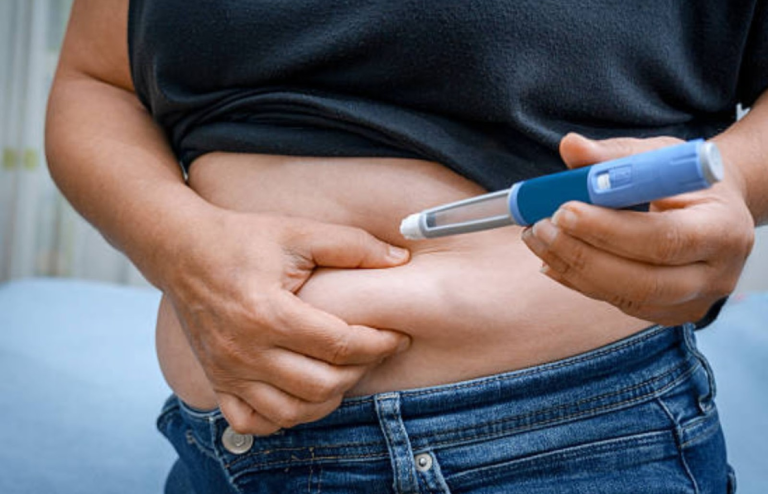
New medications called GLP-1 agonists are changing how doctors treat health issues like type 2 diabetes. Most people know these drugs by brand names like Ozempic, Wegovy, or Mounjaro. Originally, doctors only gave them to individuals who carried a lot of extra weight. Now, however, researchers are looking at how these treatments might help people who look quite slim.
Visible body size does not always tell the full story about what is happening inside. Even someone who wears a small clothing size can deal with deep internal health problems. In light of this, medical experts are studying the real cellular benefits of these treatments. This type of careful analysis helps doctors choose the right therapy for every individual.
Looking at laboratory blood tests is much more useful than just tracking someone’s weight. Internal organ health and hormonal balance can fall out of line even in naturally thin bodies. Along with this, checking how cells use energy gives doctors a much clearer picture. Because of this, advanced testing is becoming a regular part of modern healthcare.
Defining “benefit” beyond body weight reduction
Your clothing size is not a perfect map of your actual physical health. For example, a person wearing a size 4 might carry hidden fat around their vital organs. Doctors call this condition metabolically unhealthy normal weight, which carries real cardiovascular risks. To be precise, you can look totally healthy on the outside while experiencing issues on the inside.
Standard body mass index calculations often miss these hidden fat deposits completely. This makes it difficult to spot early warning signs of physical stress and strain. Therefore, physicians must look at deep chemical markers rather than a patient’s outer frame. This objective method allows doctors to find and treat issues before they get worse.
Fat that builds up around internal organs triggers harmful swelling signals throughout the body. Slim individuals with this specific issue often struggle to process sugar correctly over time. As a result, they frequently show high resting insulin levels during standard medical checkups. This quiet combination can slowly damage blood vessels if it goes completely unnoticed.
| GLP-1 Receptor Agonist Mechanisms | Impact on Lean Patients with MUNW |
| Suppresses hepatic glucose output | Stabilizes fasting blood sugar levels |
| Stimulates pancreatic beta-cells | Enhances systemic insulin sensitivity |
| Modulates central appetite pathways | Regulates irregular eating behaviors |
| Mitigates systemic inflammation | Lowers subclinical cardiovascular risk |
GLP-1 medications help by gently reducing the amount of sugar the liver pumps out. They also support the pancreas so the body can handle glucose much more smoothly. Given this, naturally thin patients with early health warnings can truly benefit from treatment. This helpful internal reaction works completely independently of a person’s total scale weight.
Unseen fat around the liver and heart places a heavy burden on the body. This hidden stress can cause blood vessel walls to weaken over a long period. In view of this, using early medical treatments offers real protection for vulnerable individuals. Catching these cellular issues early stops more serious health conditions from developing later on.
Regulatory criteria and off-label considerations
Federal agencies pass strict rules regarding who can officially get these new medications. For instance, weight-loss versions usually require a body mass index score of 30 or higher. Individuals with a score of 27 can sometimes qualify if they have a related illness. Meanwhile, other versions are strictly approved only for managing regular blood sugar levels.
A separate dual-action medication is currently approved only for treating adult type 2 diabetes. Using it solely for weight control is still waiting for official federal review. Thus, giving these specific options to a size 4 patient counts as off-label use. This means the doctor takes full responsibility for balancing the safety risks involved.
Prescribing a drug off-label is perfectly legal when clear medical evidence supports the choice. A smaller patient with early blood sugar issues might be a good candidate. Moreover, individuals dealing with severe fatty liver problems often need this type of help. Conditions like polycystic ovary syndrome also justify an individualized treatment plan from a doctor.
Exciting new studies show that these medications also influence how the brain senses hunger. Building on this, some specialized doctors use them to treat severe binge eating struggles. This approach happens even when a patient’s weight is in a normal range. Nevertheless, we still need more long-term data to fully confirm these specific uses.
Official drug guidelines use broad averages to keep the general public safe. Unfortunately, these generic rules often overlook the unique chemical needs of individual patients. Consequently, personalized care requires doctors to look closely at precise laboratory test numbers. Providers must always write down clear physiological reasons before starting a non-standard treatment.
Potential benefits in metabolically at-risk normal-weight patients
These modern medications help the body release insulin exactly when blood sugar rises. At the same time, they stop the liver from releasing too much stored sugar. This double action keeps blood glucose levels remarkably steady after a person eats. Furthermore, standard doses achieve this helpful balance without causing dangerous drops in energy.
Starting treatment early helps protect the cells in the pancreas that make insulin. This proactive step can successfully delay or even prevent the onset of diabetes. Meanwhile, newer dual-action options offer even stronger support for the body’s internal systems. Accordingly, thin patients with proven blood sugar problems are excellent candidates for this care.
Large medical trials prove that these therapies lower the risk of serious heart problems. Notably, these protective benefits happen through pathways that go far beyond basic sugar control. The medicine calms systemic swelling and keeps blood vessels flexible and healthy. These positive changes safeguard the heart network from experiencing long-term wear and tear.
These advanced treatments also work wonders for clearing out fat trapped inside the liver. This helpful clearing action quickly lowers high liver enzymes back to safe levels. In light of this, a size 4 patient can gain vital organ protection. The medical goal shifts from chasing weight loss to fixing deeper cellular functions.
Risks and clinical cautions in lower-weight patients
GLP-1 medications are well known for causing regular stomach upset and mild nausea. These common side effects include an unsettled stomach, vomiting, or slower digestion. For someone who is already thin, these issues can cut down daily food intake too much. Consequently, patients run a serious risk of dropping weight they cannot afford to lose.
Slim individuals do not tolerate rapid weight loss as well as heavier individuals do. Losing weight too quickly can accidentally drain away precious, healthy muscle tissue instead of fat. This loss can actually harm your metabolism and cause serious shortages of vitamins. Hence, doctors must track muscle mass and overall body composition very carefully.
A few major medical rules prevent certain people from ever using these treatments safely. Anyone with a personal or family history of thyroid cancer must avoid them completely. Individuals facing specific genetic gland syndromes are also excluded from using these drugs safely. Additionally, a history of pancreas swelling means patients need extra observation from their doctor.
Patients wearing a size 4 need a highly organized checkup plan during therapy. Doctors must track daily food intake, key blood markers, and muscle retention levels. Standard standard dose increases do not work safely for someone with a smaller body frame. Therefore, healthcare providers must build a custom care plan tailored to the individual.
Psychological and behavioral dimensions
These modern medications reduce appetite by changing how the brain reads fullness signals. For patients who do not need to lose weight, this change can cause trouble. It might make restrictive eating habits worse or hide the early signs of an eating disorder. Thus, healthcare providers must screen every patient carefully before writing a prescription.
Giving appetite-reducing drugs to vulnerable individuals carries very high physical and mental risks. Active or hidden eating struggles are major danger areas that require extreme caution. A full team review with a mental health professional ensures much safer care. These specialized experts provide vital support during the initial health screening process.
Conclusion
The medical reason to treat a size 4 patient depends entirely on real internal illness. Individuals with proven insulin problems deserve access to advanced and targeted medical care. Early blood sugar warnings and liver fat accumulation also justify using these specific tools. Nevertheless, the absence of obesity means doctors must follow very careful testing steps.
Healthcare professionals must use lower, more cautious drug doses for naturally thin patients. Checking for existing health warnings remains the most important task for the clinical team. As we gather more real-world data, treatment choices will become even more precise. Finally, objective lab results must always matter more than a person’s outward appearance.
References
Drucker, D. J. (2018). Mechanisms of action and therapeutic application of glucagon-like peptide-1. Cell Metabolism, 27(4), 740–756. https://doi.org/10.1016/j.cmet.2018.03.001
Wilding, J. P. H., Batterham, R. L., Calanna, S., Davies, M., Van Gaal, L. F., Lingvay, I., McGowan, B. M., Rosenstock, J., Tran, M. T. D., Wadden, T. A., Wharton, S., Yokote, K., Zeuthen, N., & Kushner, R. F. (2021). Once-weekly semaglutide in adults with overweight or obesity. The New England Journal of Medicine, 384(11), 989–1002. https://doi.org/10.1056/NEJMoa2032183
Loomba, R., Friedman, S. L., & Shulman, G. I. (2021). Mechanisms and disease consequences of nonalcoholic fatty liver disease. Cell, 184(10), 2537–2564. https://doi.org/10.1016/j.cell.2021.04.015