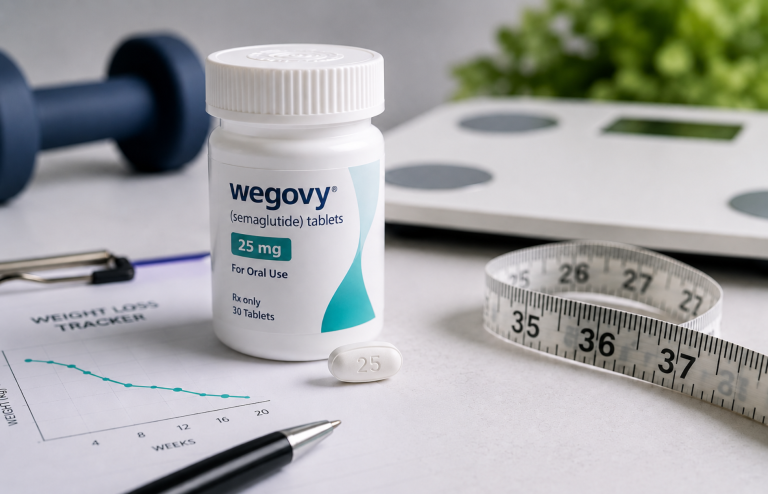
GLP-1 Drugs Drive Down Sales for Gastric Bands and Balloons
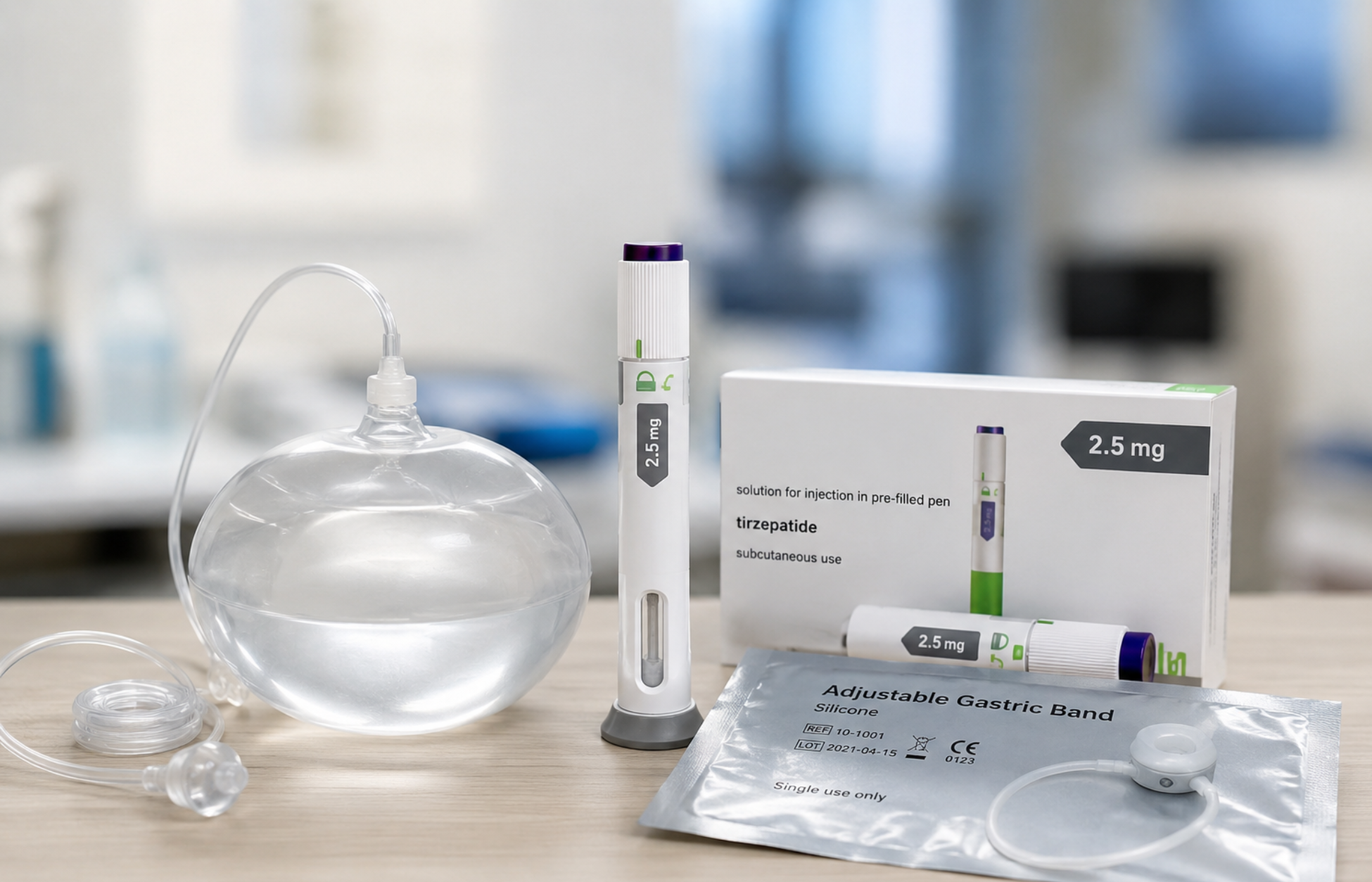
Sales for traditional weight loss tools, like gastric bands and balloons, are dropping fast. Experts predict global device sales could slide down to $34.2 million by 2035. The main reason for this shift? The rise of GLP-1 weight loss medications. These new shots and pills have completely transformed obesity treatment, leading far fewer people to choose surgery or medical implants.
As prescriptions for GLP-1 drugs doubled over the last few years, weight loss surgeries dropped by almost 9%. Data shared at recent medical conferences shows a clear downward turn. After seven steady years of growth, surgery numbers have now fallen two years in a row as patients lean toward prescription treatments instead of going under the knife.
Smaller medical device makers are getting hit hard. Fewer operations mean immediate revenue drops. Interestingly, this shift is happening even among patients with severe obesity, a group that traditionally sees the strongest long-term success with surgery. Today, many of these patients prefer trying medication first, forcing device makers to rethink their business strategies.
Despite the drop in device sales, the future isn’t completely dark for medical technology. Over two billion people globally live with obesity, and up to 95% of severe cases currently go untreated. Because the overall health need is so massive, there is plenty of room for both devices and medications to play a role.
GLP-1s will not make weight loss surgery extinct. Instead, the medical world is adapting. Doctors are starting to prescribe these medications alongside surgical procedures for patients who need an extra boost. Combining both approaches can lead to better long-term results, especially for people who do not reach their goals with medication alone.
GLP-1 drugs work by copying natural body hormones that manage appetite and blood sugar levels. Originally designed for type 2 diabetes and later approved for weight management, they require a prescription. Doctors carefully evaluate each patient to check for potential side effects and make sure the medication is a safe fit.
The sudden surge in drug popularity is straining healthcare budgets. Insurance providers are scrambling to rethink their coverage policies for these high-demand treatments, particularly because patients often need to take them long-term to keep the weight off. At the same time, health authorities are keeping a close watch on the safety profiles of both the drugs and surgical devices.
What happens next will depend heavily on patient choice, out-of-pocket prices, and insurance coverage. As cheaper generic versions eventually enter the market, access to these drugs will grow even faster. Moving forward, the fight against obesity won’t be a match of drugs versus surgery it will most likely be a combination of both working together.