GLP-1 Medicines and the Overlooked Role of Nutrition in Weight Management

GLP-1 medicines have changed the way many people manage obesity by helping reduce hunger and support weight loss. However, these medications work best when paired with healthy eating habits rather than replacing them. Good nutrition provides the vitamins, minerals, protein, and fiber the body needs to stay healthy while losing weight. Without a balanced diet, people may lose muscle instead of fat or miss important nutrients. Eating nutritious meals also helps maintain energy levels and supports long-term weight management after treatment. For lasting success, experts emphasize that GLP-1 medicines should be viewed as one part of a broader lifestyle approach that includes proper nutrition, regular physical activity, and healthy daily habits.
A clinical gap in GLP-1 obesity care
Glucagon-like peptide-1 receptor agonists have changed the way we treat obesity and type 2 diabetes. Medications like Ozempic, Wegovy, and Mounjaro help people lose weight in ways that were mainly seen with bariatric surgery. Doctors are now increasingly prescribing these medications as the first option for patients who haven’t seen enough success with lifestyle changes alone.
However, we still don’t fully understand the nutritional effects of appetite suppression in regular clinical settings. GLP-1 receptor agonists significantly lower caloric intake but do not change the body’s basic need for nutrients. This mismatch can directly affect muscle preservation, micronutrient levels, and long-term weight management. Therefore, nutrition counseling should play a more important role in standard treatment plans.
How GLP-1 Receptor Agonists Reduce Food Intake
GLP-1 is a hormone released from the gut when we eat. Semaglutide and similar drugs mimic this hormone to activate certain receptors. This activation slows down gastric emptying and increases feelings of fullness. As a result, patients feel full sooner and have less hunger throughout the day.
This mechanism accounts for the large weight loss seen in clinical trials. Some patients manage to lose over fifteen percent of their starting body weight. Notably, the degree of appetite suppression varies from person to person, depending on factors like dosage, medication type, and duration of treatment.
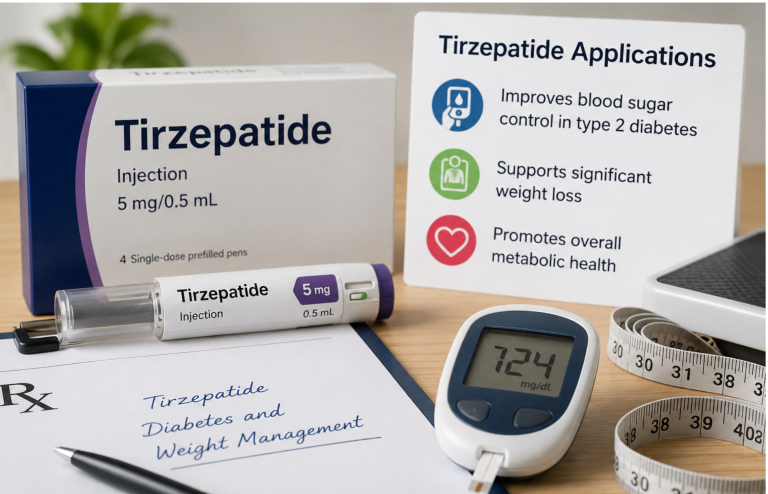
For many patients, Tirzepatide leads to even greater reductions in food intake. This medication works as both a GLP-1 and glucose-dependent insulinotropic polypeptide receptor agonist. Regardless of the type of medication used, the clinical outcome is the same. Patients end up eating a lot less during treatment. Therefore, every remaining calorie and gram of protein must meet the body’s needs.
Protein Requirements Do Not Decline with Appetite
Eating less does not lower how much protein the body needs. This nutrient is crucial for maintaining muscle, supporting the immune system, and ensuring metabolic health. When patients eat less, their protein intake often drops below recommended levels. This means they need to make careful food choices to avoid deficiencies.
This issue becomes particularly important during rapid weight loss. The body uses both fat and muscle for energy. If protein intake is too low during this time, it can lead to faster muscle loss. Body composition studies show substantial losses of lean mass.
Reported amounts vary widely among studies. Some show losses of fifteen percent or less, while others report much higher figures. Neeland et al. (2024) pointed out that these differences likely stem from variations in the initial demographics of participants. Regardless of the exact amount, the loss of lean mass needs close clinical monitoring.
Evidence on Lean Mass Loss During Treatment
Losing muscle has effects beyond how someone looks. Skeletal muscle is important for processing glucose and maintaining metabolic rate. It also helps with mobility. Losing too much lean mass can undermine the benefits intended from weight loss.
Older adults seem especially at risk for these changes. Age-related anabolic resistance reduces the ability to maintain muscle. This issue affects how well protein intake and exercise work together. Because of this, targeted interventions are necessary to lower the risk.
Case studies suggest that structured interventions can help. Patients who combine GLP-1 therapy with higher protein intake often maintain more lean tissue. They also engage in resistance training. These findings are preliminary and come from small studies, but they support the idea that adjusting nutrition can help.
Micronutrient Risk in Calorie-Restricted States
In addition to protein, eating less raises the risk of not getting enough micronutrients. Vitamins and minerals rely on regular dietary sources or supplements. Key nutrients include vitamin B12, iron, calcium, and vitamin D. As portion sizes decrease, ensuring nutrient density becomes crucial.
A diet focused on low-nutrient foods doesn’t provide enough leeway for these requirements. Doctors should monitor relevant micronutrient levels at baseline and periodically. This helps patients who experience significant appetite suppression and those with preexisting deficiencies.
Monitoring also supports individuals with gastrointestinal issues that limit their food intake. Given this, generic dietary advice is often insufficient. Personalized meal plans can better meet these specific needs. Tailored guidance replaces broad recommendations to ensure nutritional safety.
Weight Regain After Treatment Discontinuation
GLP-1 receptor agonists are not always meant for lifelong use. Many patients end treatment for various reasons. Clinical trial data show that weight regain after stopping treatment is common and often significant.
In the STEP 1 trial extension, participants regained a considerable portion of weight (Wilding et al., 2022). Many regained about two-thirds of their lost weight within a year. This highlights that obesity is a chronic disease requiring ongoing management.
Nutritional habits formed during treatment may affect how much weight patients regain. Those who establish lasting, protein-rich eating patterns create a stronger foundation for the time after treatment. On the other hand, some individuals may quickly regain weight.
These individuals may rely solely on appetite suppression without changing their eating behaviors. More research is needed to confirm this link. Meanwhile, experts already understand the mechanism involved well. Nutritional education can serve as a safeguard against rapid weight gain after treatment.
Toward Individualized Nutrition Support
Standard dietary advice often lacks the precision needed in clinical settings. This is especially true under GLP-1-related appetite suppression. When food intake decreases significantly, each meal must deliver more nutrients. Customized nutrition plans can handle this challenge more effectively than generic guidance.
Such plans consider lab results, health history, and personal preferences. They typically focus on whole foods and balanced nutrient distribution while prioritizing nutrient-dense choices. Collaborating between doctors and dietitians is important for this patient group.
Regular monitoring facilitates adjustments as appetite and tolerance change. As the use of GLP-1 medications rises, integration becomes essential. Healthcare systems should include structured nutrition assessments in standard care pathways. This approach brings together medication and nutrition strategies for long-lasting metabolic health.
Clinical Implications and Future Directions
GLP-1 receptor agonists mark a real improvement in treating obesity. There is solid clinical evidence supporting these medications. However, simply suppressing appetite does not cover the essential nutritional needs. Maintaining musculoskeletal and metabolic health requires active dietary support.
It is vital to focus on protein intake, micronutrient adequacy, and planning for after treatment. Addressing these areas may enhance both the safety and effectiveness of treatment. Future studies should clarify the best protein targets and exercise roles. This will help identify strategies to reduce weight regain after treatment stops.
In the meantime, doctors can incorporate nutrition assessments into their practices. Including these assessments in GLP-1 treatment protocols can improve care quality. This step treats nutrition as a complement to medication. An integrated approach provides the best chance for achieving enduring results.
Conclusion
GLP-1 medicines have transformed obesity treatment by helping people lose weight through reduced appetite and improved metabolic control. However, successful treatment involves more than simply eating less. Patients still need enough protein, vitamins, minerals, and other essential nutrients to maintain muscle mass, support overall health, and reduce the risk of deficiencies during weight loss. Personalized nutrition guidance, regular monitoring, and healthy lifestyle habits can improve both the safety and effectiveness of these medications. As GLP-1 therapies become more widely used, combining medical treatment with structured nutritional care should become a standard part of obesity management. This integrated approach not only supports healthier weight loss but also helps patients maintain their results and improve long-term health outcomes.
References
Neeland, I. J., Linge, J., & Birkenfeld, A. L. (2024). Changes in lean body mass with glucagon-like peptide-1-based therapies and mitigation strategies. Diabetes, Obesity and Metabolism. https://doi.org/10.1111/dom.15728
U.S. Food and Drug Administration. (2021, June 4). FDA approves new drug treatment for chronic weight management, first since 2014. https://www.fda.gov/news-events/press-announcements/fda-approves-new-drug-treatment-chronic-weight-management-first-2014
Wilding, J. P. H., Batterham, R. L., Davies, M., Van Gaal, L. F., Kandler, K., Konakli, K., Lingvay, I., McGowan, B. M., Oral, T. K., Rosenstock, J., Wadden, T. A., Wharton, S., Yokote, K., & Kushner, R. F. (2022). Weight regain and cardiometabolic effects after withdrawal of semaglutide: The STEP 1 trial extension. Diabetes, Obesity and Metabolism, 24(8), 1553–1564. https://doi.org/10.1111/dom.14725