Eli Lilly’s Foundayo Records 1,390 Prescriptions in Launch Week as Oral Obesity Drug Competition Intensifies

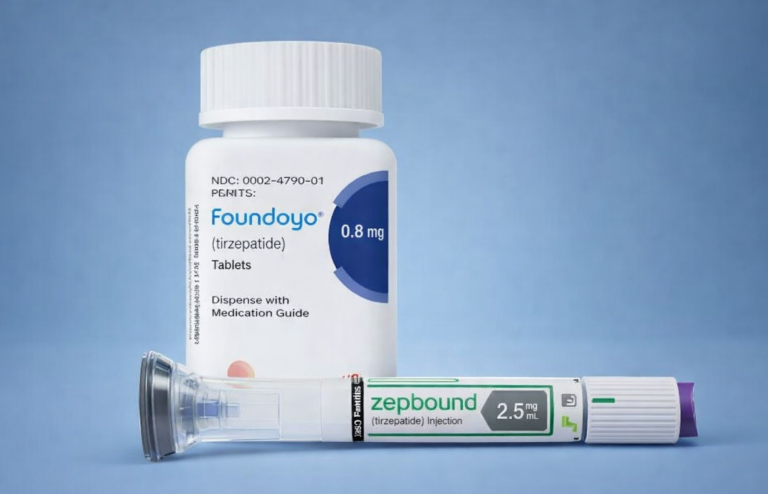
Eli Lilly recently rolled out Foundayo within the competitive obesity treatment market. Initial tracking data shows that physicians wrote 1,390 prescriptions during the first week of release. Market analysts pulled these specific figures from national databases to measure early commercial interest. Lilly officials currently advise caution when reviewing these preliminary metrics.
The latest count likely misses data from several key pharmacy partners. Therefore, stakeholders should treat these numbers as early indicators rather than a final tally. Success requires a much longer observation window to determine actual market adoption. The federal Food and Drug Administration officially approved the medication on April 1.
Patients began obtaining prescriptions through direct corporate channels right after this regulatory milestone. Retail pharmacies and various telehealth providers started broad distribution on April 9. Shipping logistics actually began a few days earlier to ensure nationwide product availability. The tracking period for this first week concluded on April 10.
Consequently, the available data reflects only about two full days of broad retail activity. This narrow window explains why initial numbers look modest compared to established drugs. Experts suggest that data capture constraints naturally limit the accuracy of early reports. Foundayo works as a single acting receptor agonist in an oral format.
This delivery method differs significantly from the injectable dual agonists leading the field. Chief Executive Officer David Ricks noted that the compound provides lower efficacy than dual mechanism products. Nevertheless, he described it as a vital choice for needle free management. Patients may prefer oral pills when transitioning from intensive injectable therapies.
Building on this, the drug offers a clinical alternative for maintaining weight loss goals. The company expects the product to fill a specific niche in the market. Thus, convenience remains a primary driver for both patient and provider interest. Other oral medications have shown very rapid uptake during their own launch phases.
For instance, one competing oral product saw over 3,000 prescriptions in four days. That same medication recently hit a volume of over 113,000 weekly prescriptions. Such growth demonstrates a massive appetite for oral obesity treatments among the public. Current trends suggest that oral versions might outpace the early rollout of injectables.
The market has matured quite a bit since the first weight loss drugs arrived. Direct comparisons between these launches remain difficult due to shifting market conditions. Along with this, supply chain stability heavily influences modern adoption rates. Financial experts suggest waiting until the third month to assess genuine momentum.
This timeframe allows for stable distribution and much broader insurance coverage. Early volume actually looks excellent despite the mentioned data capture limitations. Meanwhile, new oral options seem to expand the market rather than replace injectables. The rivalry between major pharmaceutical firms continues to grow across all delivery methods.
To be precise, oral agents introduce a parallel commercial channel for consumer pay models. This shift highlights the growing role of telehealth in modern healthcare delivery. Accordingly, the industry now awaits further data on long term patient adherence. Federal regulators maintain very strict oversight regarding safety and post approval monitoring.
The agency previously requested specific data regarding hepatic safety for this particular compound. In light of this, the company must fulfill ongoing obligations to ensure safety. Safety profiles will remain a major focal point for providers and insurance payers. Clinical professionals will evaluate evolving efficacy and access data over coming months.
This review process determines the eventual position of the drug on formal lists. Furthermore, patient feedback will help shape the commercial trajectory of the product. The market expects steady innovation as oral obesity treatments become more common. Precise monitoring of these variables will define the landscape for years to come.