What Comes After GLP-1

The pharmaceutical landscape for metabolic health has shifted dramatically since GLP-1 receptor agonists first hit the scene. These medications have essentially set a new standard for managing blood sugar and achieving weight loss. To be precise, the focus is now moving beyond these single hormone pathways. Researchers are diving deep into multi-receptor agonists that target several metabolic triggers at once.
This new wave of metabolic therapy promises more than just weight reduction. We are looking at potentially superior efficacy and a more complete way to remodel how the body processes energy. Given this, the industry is quickly moving past simple monotherapy. These next-generation tools aim for lasting results that go far beyond what we’ve seen before.
Dual and Triple Agonist Platforms Represent the Immediate Frontier
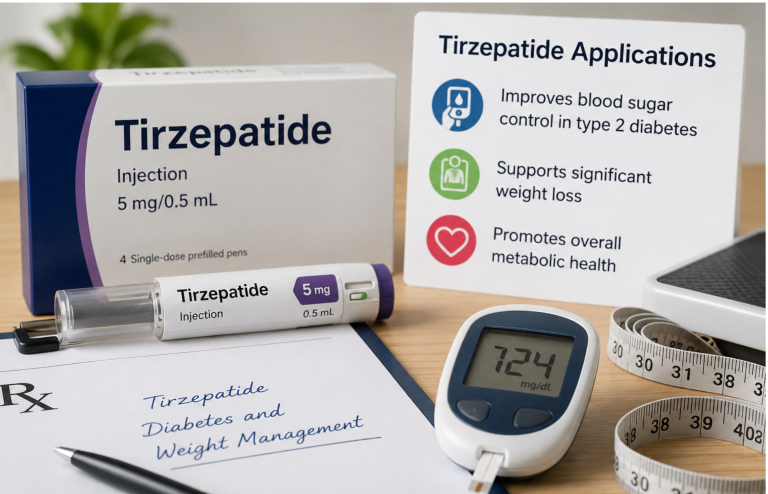
Development has moved toward “smart” molecules that can pull multiple metabolic levers at the same time. Tirzepatide is a great example, as it activates both GLP-1 and GIP receptors. Recent trials show that this dual approach leads to weight loss that clearly beats out older treatments. Along with this, patients are seeing real improvements in heart health and liver fat.
This boost in performance comes from how these receptors talk to each other. GIP helps the body release insulin more effectively while keeping other hormones in balance. Building on this, we are now seeing the rise of triple agonist molecules. These take things a step further by adding a third target into the mix.
Comparing the Key Players in Metabolic Therapy
| Therapeutic Class | Primary Receptor Targets | Key Metabolic Impact |
| Dual Agonists | GLP-1 and GIP | Boosts insulin response and helps clear fat from the liver. |
| Triple Agonists | GLP-1, GIP, and Glucagon | Revs up energy use and triggers direct fat burning. |
| Amylin Combos | GLP-1 and Amylin | Sends stronger fullness signals to the brain to stop cravings. |
Retatrutide is currently one of the most exciting triple agonists in development. In mid-stage trials, it helped participants lose nearly a quarter of their body weight. Furthermore, the inclusion of glucagon receptor activation helps the body burn more energy naturally. This specific combination addresses metabolic issues that older drugs simply couldn’t reach.
The logic behind these multi-agonists is all about synergy. GLP-1 handles the feeling of being full, while GIP works on how we store and use fat. Meanwhile, glucagon helps the body use up stored fuel more efficiently. As a result, these therapies offer a way to actually modify the disease rather than just managing it.
Non-Incretin Pathways Target Distinct Metabolic Mechanisms
We are also seeing a shift toward pathways that don’t rely on the traditional “incretin” system at all. Amylin analogs, for example, work by slowing down how fast the stomach empties. Cagrilintide is one such agent that, when paired with GLP-1, leads to even greater weight loss. This combination works because it attacks hunger from two different angles in the brain.
Amylin focuses on specific “fullness” sensors that are separate from the GLP-1 pathway. In light of this, combining them creates a much more powerful signal for the body to stop eating. Therefore, this represents a significant departure from how we’ve treated obesity in the past. It’s about building a more nuanced, layered approach to metabolic health.
Another promising area involves FGF21 analogs, which target how fat and liver cells function. These medications help the body become more sensitive to insulin and even help “brown” white fat. Early results show they are excellent at cleaning up liver fat and improving cholesterol levels. While the weight loss isn’t as high as that of other drugs, the health benefits are very real.
Ghrelin and MC4 receptor agonists are also being tested to help control appetite directly. These drugs aim to silence the “hunger hormones” that make dieting so difficult for many people. Nevertheless, these treatments are currently most effective for specific genetic conditions. As we learn more, they may become a broader tool for everyday metabolic management.
Combination Regimens May Optimize Multifaceted Metabolic Dysfunction
Because metabolic disease is so complex, a single drug might not always be enough for everyone. We are starting to see “cocktail” approaches that combine different medications to get the best results. For example, pairing GLP-1 with an SGLT2 inhibitor helps manage both hunger and how the kidneys handle sugar. This layered strategy addresses the problem from multiple sides at once.
There is also a lot of interest in oral small molecules that can help the body burn more fuel. Some of these target the mitochondria, the “power plants” of our cells, to increase energy use. Along with this, thyroid hormone receptor-beta agonists are being studied for their ability to clear liver fat. These are exciting developments because they offer a way to lose fat without losing muscle.
Looking further ahead, we might even see gene-based therapies for long-term health. These could potentially “fix” the underlying drivers of insulin resistance or inflammation at the source. While these are still in the experimental stages, they show just how far the field is moving. The goal is to move toward durable, long-lasting corrections for the metabolism.
Challenges Include Cost, Access, and Long Term Safety Profiles
Of course, these breakthroughs bring up big questions about who can actually get them. The price for current GLP-1 drugs is already quite high, which keeps them out of reach for many. Newer, more complex multi-agonists will likely be even more expensive to make and buy. Consequently, how insurance companies handle these drugs will be a major factor in their success.
Access is a primary hurdle that we have to solve as a society. If the best treatments are too expensive, we won’t see the population-level health improvements we need. Therefore, the industry must find ways to balance innovation with affordability. This will likely be one of the biggest debates in healthcare over the next few years.
We also have to keep a close eye on long-term safety. While the early data are great, some of these newer pathways, like glucagon, need to be watched carefully. There are theoretical concerns about how they might affect bone health or liver sugar production. Accordingly, doctors will need to monitor patients over many years to ensure these drugs stay safe.
Finally, we have to think about how easy these drugs are for people to actually use. Most are still injections, which can be a turn-off for many patients. Moving toward daily pills might help more people stay on their treatment plans. However, making an effective metabolic pill is a massive scientific challenge in itself.
The Post-GLP-1 Era Will Likely Feature Mechanistic Diversification
The future of metabolic medicine isn’t about finding one “winner” to replace GLP-1. Instead, we are building a massive toolkit with different options for different people. Multi-receptor agonists will likely lead the way in the short term. Meanwhile, other drugs will focus on specific issues like fatty liver or mitochondrial health.
This means that clinical practice will have to become much more personalized. We will eventually use biomarkers to figure out which drug will work best for a specific patient. To be precise, your genetic makeup might dictate whether you need a dual agonist or a combination pill. This is the beginning of true “precision medicine” for weight and diabetes.
We’ll likely see more advanced tools, like continuous glucose monitors, being used to track success. This constant stream of data will help doctors adjust treatments in real time. Building on this, we can move away from a “one size fits all” approach to care. This shift will fundamentally change how we think about chronic disease management.
Conclusion
We are moving into a bold new era where GLP-1 is just the starting point. Dual and triple agonists are pushing the limits of what we thought was possible for weight loss. At the same time, non-incretin drugs are giving us new ways to fix the metabolism from the inside out. In view of this, the future looks incredibly bright for metabolic health.
While we still have to figure out costs and long-term safety, the progress is undeniable. These new tools offer a way to treat the whole person, not just a single symptom. Individualized care is finally becoming a reality for those struggling with obesity and diabetes. The toolkit for doctors is expanding, and that is a win for everyone.
The post-GLP-1 era is defined by diversity and more personalized choices for patients. We are no longer looking for a single magic pill, but a comprehensive health strategy. This evolution will likely make the next ten years a turning point for global health. Better outcomes are on the horizon, provided we can make these treatments accessible to all.
References
Jastreboff, A. M., Aronne, L. J., Ahmad, N. N., Wharton, S., Connery, L., Alves, B., Kiyosue, A., Zhang, S., Liu, B., Bunck, M. C., & Stefanski, A. (2022). Tirzepatide once weekly for the treatment of obesity. New England Journal of Medicine, 387(3), 205-216. https://doi.org/10.1056/NEJMoa2206038
Jastreboff, A. M., Kaplan, L. M., Frías, J. P., Wu, Q., Du, Y., Gurbuz, S., Coskun, T., Haupt, A., Milicevic, Z., & Hartman, M. L. (2023). Triple-hormone-receptor agonist retatrutide for obesity: a phase 2 trial. New England Journal of Medicine, 389(6), 514-526. https://doi.org/10.1056/NEJMoa2301972
Frias, J. P., Deenadayalan, S., Erichsen, L., Knop, F. K., Lingvay, I., Macura, S., Mathieu, C., Pedersen, S. D., Davies, M., & Lincoff, A. M. (2023). Efficacy and safety of co-administered once-weekly cagrilintide 2.4 mg with once-weekly semaglutide 2.4 mg in type 2 diabetes: a multicentre, randomised, double-blind, active-controlled, phase 2 trial. Lancet, 402(10403), 720-730. https://doi.org/10.1016/S0140-6736(23)01163-7