GLP-1 Receptor Agonist Pills vs Berberine

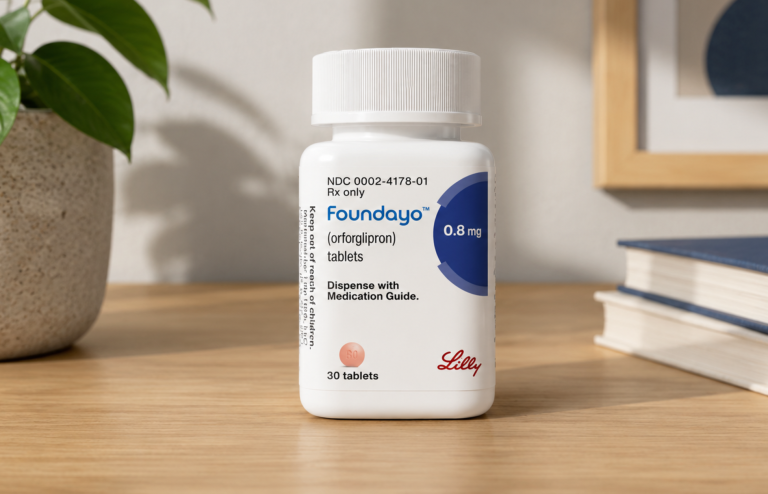
One of the most important steps toward long-term health is controlling blood sugar and weight. Modern oral GLP-1 medications provide a practical substitute for conventional injections. Berberine, on the other hand, is regarded by many as a more natural supplement. Given this, knowing the research underlying each option aids in your decision-making.
There are significant variations in each option’s efficacy, safety, and clinical dependability since they operate via quite diverse biological mechanisms. You can better match your decision with your own health objectives by contrasting their mechanisms, advantages, and drawbacks.
Mechanism of Action: GLP-1 Receptor Agonists
These medications act as precise messengers within your body’s metabolic system. They target specific receptors in the pancreas and the brain. Consequently, they help your body release insulin only when your sugar levels rise. This targeted approach keeps your system balanced without causing sudden energy crashes.
The drugs also signal the stomach to process food more slowly. This delay keeps you feeling satisfied long after a meal ends. Furthermore, the medication silences the constant mental chatter about food and cravings. These combined actions lead to a significant drop in daily calorie intake.
Creating a pill version of this medicine required clever scientific engineering. The tablets include a special coating to help the medicine survive stomach acid. This design ensures that the drug enters the bloodstream at effective levels. Nevertheless, you must follow strict timing rules to make the absorption work.
Mechanism of Action: Berberine
Berberine functions as a broad metabolic regulator inside your cells. It switches on a specific enzyme that helps manage energy levels. Along with this, it prompts muscles to pull more sugar from the blood. This process mimics some effects of older, traditional diabetes drugs.
The substance also has an impact on how your body manages inflammation and lipids. By altering the way the liver breaks down LDL, it lowers cholesterol. Moreover, it might increase the balance of beneficial bacteria in your gut. It is a well-liked option for overall wellness because of these varied impacts.
Your body finds it challenging to absorb berberine into your blood. In particular, your body actually absorbs less than 5% of the vitamin. Rather, most of the material stays in the digestive system. Consequently, it often directly affects the intestinal environment.
Clinical Efficacy in Type 2 Diabetes
GLP-1 pills show very strong results in lowering average blood sugar. Most patients see their HbA1c levels drop by over one percent. These results match the power of the original injectable versions. Thus, doctors view them as a primary tool for managing diabetes.
Berberine provides much smaller improvements in clinical testing environments. Average sugar levels typically drop by about half a percent. While this change is helpful, it remains less effective than prescription drugs. Furthermore, many berberine studies involve very small groups of people.
The difference in results comes down to biological precision. GLP-1 agonists hit a specific target with massive strength. Berberine touches many targets but with much less power. Consequently, the prescription option offers much more predictable health outcomes.
Clinical Efficacy in Weight Management
Weight loss with these new pills is often quite significant. Many people lose ten percent of their body weight or more. This progress usually continues steadily for several months. In light of this, these medications represent a breakthrough for obesity care.
Berberine rarely produces significant weight loss in clinical trials. Most users only lose a few pounds over several months. These results often prove inconsistent from person to person. Moreover, many people regain the weight once they stop the supplement.
The medications work because they change how your brain views food. They dull the reward signals that make you crave sugary snacks. Berberine lacks this direct connection to the brain’s hunger centers. Therefore, it cannot match the weight loss power of prescription therapy.
Safety and Tolerability Profiles
Both options can be a bit hard on the stomach initially. GLP-1 pills often cause nausea or a bit of digestive upset. These feelings usually go away as your body gets used to the dose. Accordingly, starting with a low dose helps prevent major discomfort.
Berberine frequently causes bloating or a change in bowel habits. These issues happen because the supplement sits in the gut for a long time. Dividing the daily dose into smaller parts can help. Nevertheless, users should watch for interactions with other regular medications.
Prescription drugs undergo years of testing to ensure they are safe. Federal agencies monitor every report of a side effect very closely. Berberine products do not face this same level of strict oversight. Thus, the quality of a supplement can vary between different brands.

Cost and Accessibility Considerations
High-tech medications often come with a very high price tag. Monthly costs for these pills can easily top one thousand dollars. Many insurance plans require extra paperwork before they will pay for them. Building on this, patient programs sometimes help cover these high costs.
Berberine is much easier on the wallet for most people. A month of supplements usually costs less than thirty dollars. This low price makes it very tempting for those without insurance. However, the lower price reflects a lack of expensive clinical testing.
Financial reality often dictates which path a person chooses. Many people try berberine because it is affordable and easy to find. Doctors must help patients weigh these costs against the actual health benefits. In light of this, the most effective choice often requires the most investment.
Clinical Positioning and Evidence Gaps
GLP-1 medications are now the mainstay of care according to medical guidelines. For those in need of metabolic support, they are the best option. Additionally, these medications shield the heart against long-term harm. As a result, they offer a comprehensive solution for contemporary health requirements.
Berberine is on the periphery of conventional medicine. It does not have the large data sets needed for official medical approval. Despite its potential, it cannot take the place of tried-and-true medication. Specifically, it works best as a supplemental wellness tool.
This natural chemical may find new applications in the future. New research may demonstrate how it functions in conjunction with other therapies. In the meantime, GLP-1 drug technology is still developing. As a result, there will probably always be a significant performance difference between the two.
Conclusion
Your particular health objectives will determine which of these two solutions is best for you. GLP-1 medications provide a potent, scientifically supported method of altering your metabolism. Berberine is far less expensive and has a considerably milder effect. However, prescription therapy yields significantly more consistent results.
The best technologies available today should be part of your health journey. Supplements cannot equal the safety and potency of prescription drugs. Prior to making a final decision, always consult your medical team. As a result, you can create a strategy that really suits you.
References
Aroda, V. R., Rosenstock, J., Terauchi, Y., Altman, I., Bjulius, E., Christiansen, E., Contreras-Rodríguez, A., Deenadayalan, S., Dunn, E., & Esteban, J. (2019). PIONEER 1: Randomized clinical trial of the efficacy and safety of oral semaglutide monotherapy in comparison with placebo in patients with type 2 diabetes. Diabetes Care, 42(9), 1724-1732. https://doi.org/10.2337/dc19-0749
Wilding, J. P., Batterham, R. L., Calanna, S., Davies, M., Van Gaal, L. F., Lingvay, I., McGowan, B. M., Rosenstock, J., Tran, M. T., Wadden, T. A., Wharton, S., Yokote, K., Zeuthen, N., & Kushner, R. F. (2021). Once-weekly semaglutide in adults with overweight or obesity. New England Journal of Medicine, 384(11), 989-1002. https://doi.org/10.1056/NEJMoa2032183
Zhang, Y., Li, X., Zou, D., Liu, W., Yang, J., Zhu, N., Huo, L., Wang, M., Hong, J., Wu, P., Ren, G., & Ning, G. (2008). Treatment of type 2 diabetes and dyslipidemia with the natural plant alkaloid berberine. Journal of Clinical Endocrinology & Metabolism, 93(7), 2559-2565. https://doi.org/10.1210/jc.2007-2404