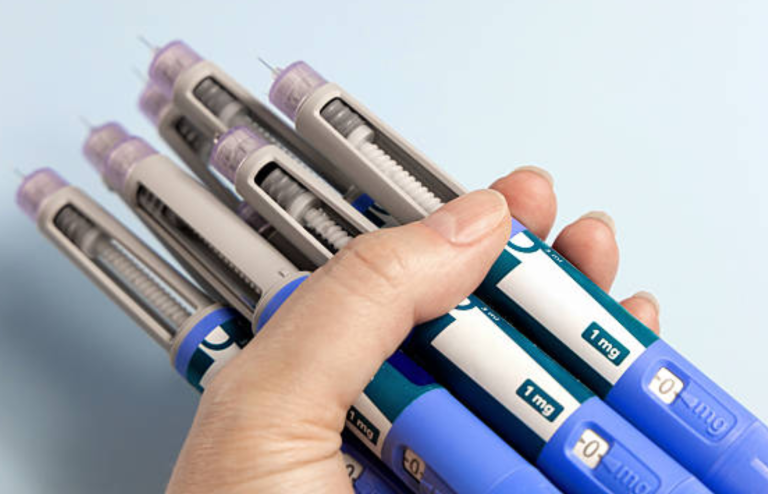
Rising GLP-1 Costs Prompt Employers to Rethink Pharmacy Coverage
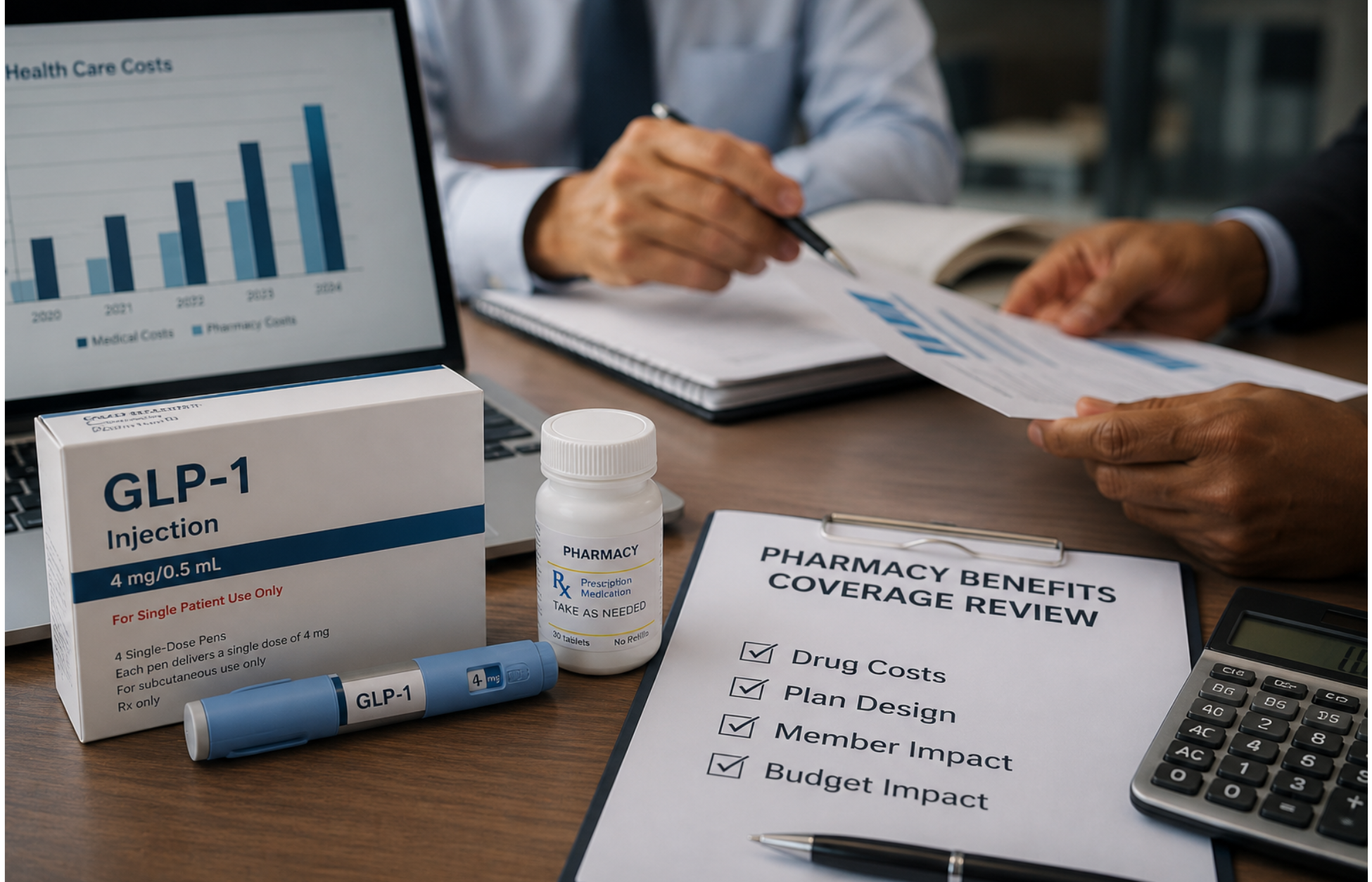
Organizations are still facing the significant financial challenges posed by GLP-1 receptor agonist medications. Recent survey data shows that only 15 percent of employers cover these drugs for weight loss. In contrast, 47 percent of companies provide coverage specifically for treating Type 2 diabetes. This difference highlights the growing scrutiny companies have over the cost-effectiveness of weight loss treatments compared to established management of metabolic diseases.
Brand-name injectable GLP-1 medications usually cost consumers between $1,000 and $1,500 a month. Employers often bear 70 percent to 100 percent of these costs through their benefit plans. Overall prescription drug costs are rising by 13 percent to 15 percent each year. As a result, GLP-1 medications now represent about 20 percent of total spending on prescription drugs.
Total spending on GLP-1s increased by about 50 percent over the past year due to more patients using these medications. Industry leaders recognize the significant budget impacts these drugs create. For instance, the Business Group on Health reported that companies cannot overlook the effects of GLP-1 costs on healthcare affordability. Consequently, several large employers have started reversing their previous coverage decisions.
One major consulting firm found that 6 percent of large employers completely eliminated GLP-1 coverage within the past year. Additional survey data supports this trend of reevaluating coverage. Among employers currently covering GLP-1 medications for weight loss, only 72 percent said they are likely to continue this coverage next year. Notably, 10 percent of respondents mentioned they might stop coverage altogether.
Clinical experts link this change to a lack of clear return on investment for individual employee groups. At the same time, employers are reassessing their overall prescription drug benefit strategies due to these pressures. Survey results show a 16 percentage point decrease in employers bundling prescription coverage. Bundled coverage dropped to 77 percent this year, down from 93 percent last year.
In response to this trend, the adoption of independent pharmacy management programs increased to 23 percent, up from 18 percent before. This shift suggests that employers are seeking more control over how medications are used and accessed. Instead of making blanket coverage decisions, organizations are leaning toward structured oversight methods. Such programs enable employers to assess clinical appropriateness before approving high-cost specialty medications.
Given the proven clinical effectiveness of these treatments, coverage decisions have become more nuanced than simple yes or no answers. Employers are now focusing on management of utilization and clinical oversight. These systems help ensure that GLP-1 prescriptions match the right clinical uses. Additionally, such oversight aims to provide lasting financial benefits over time.
As healthcare costs keep climbing, restructuring pharmacy benefits will likely remain a key part of companies’ strategies for controlling costs. From a regulatory perspective, GLP-1 medications are only available through prescriptions. The Food and Drug Administration has cleared these drugs for specific uses, including long-term weight management. Thus, employer coverage choices are directly influenced by federal labeling requirements and prescribing guidelines.