Oura Ring 5 Launches With Blood Pressure Monitoring and GLP-1 Medication Tracking
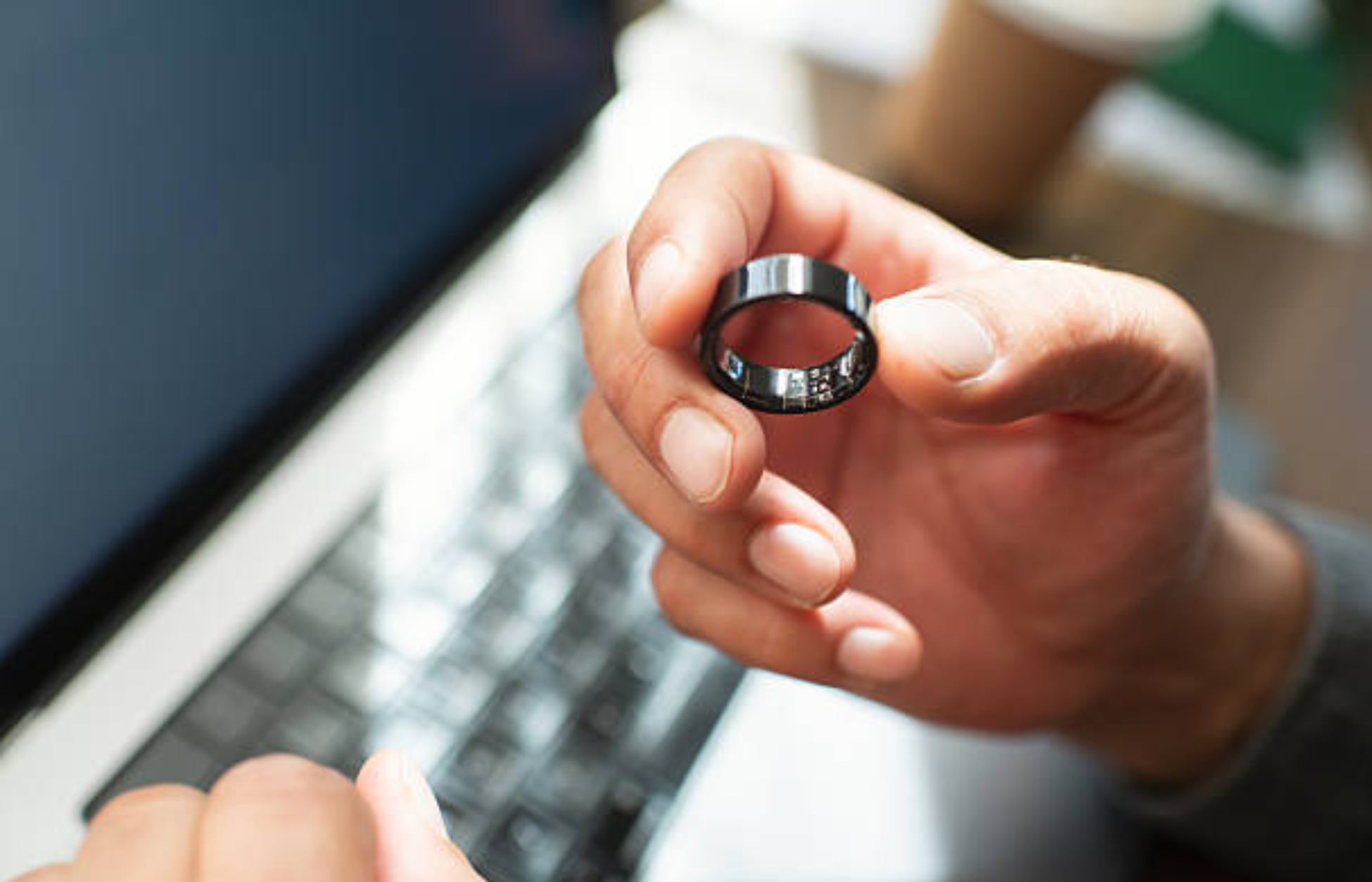
Oura recently unveiled the Oura Ring 5. This redesigned wearable introduces clinical features within a significantly reduced form factor. The device shifts toward preventive health monitoring. It integrates cardiovascular, respiratory, and pharmacological tracking within a consumer grade smart ring.
The hardware is approximately 40 percent smaller than previous models. Engineers completely redesigned the internal components and battery architecture. The ring measures 6.09mm in width and 2.28mm in thickness. These changes improve biometric accuracy for diverse skin tones and finger types.
The device weighs as little as 2 grams. Improved signal pathways enhance the reliability of biometric data. Redesigned sensor domes ensure consistent contact with the skin. Accordingly, the architecture supports high precision data collection during daily activity.
One primary addition includes blood pressure trend tracking during sleep. This feature monitors cardiovascular patterns on a longitudinal basis. Users may also analyze nighttime respiratory disturbances over extended periods. Therefore, the device provides clinical data beyond standard recovery metrics.
Sleep analysis remains a central pillar of the platform. The ring identifies specific sleep stages with high accuracy. It also measures blood oxygen saturation levels throughout the night. Consequently, users receive a comprehensive overview of their nocturnal physiological state.
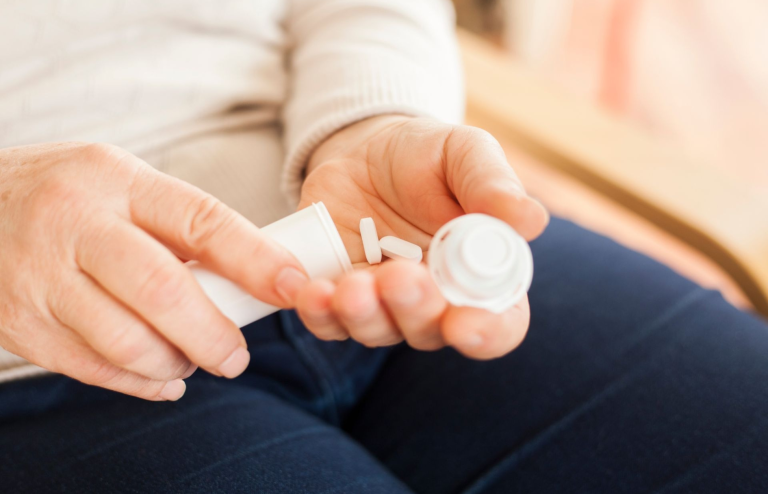
The system now offers dedicated GLP-1 medication tracking tools. Users log doses, side effects, and weight changes over time. This feature addresses a documented gap in longitudinal medication monitoring. Notably, the tool relies upon self-reported data rather than physiological measurement.
Many individuals utilize these medications for chronic weight management. The application tracks how the body responds to specific dosages. It helps users visualize the relationship between medication and metabolic health. Hence, the tool supports informed discussions with primary care providers.
Oura expanded its connected health infrastructure alongside the hardware update. The application imports medical records, including allergies and laboratory reports. Users can access health guidance and connect with medical professionals. This effort positions the device within broader care coordination frameworks.
The software platform prioritizes data privacy and security. It utilizes encrypted pathways for all medical record transfers. Users maintain full control over which professionals view their information. Thus, the ecosystem balances accessibility with robust consumer data protection.
Health practitioners may use this data to monitor patient progress. The integration of clinical records allows for deeper metabolic insights. Shared reports facilitate more efficient office visits for many users. Moreover, this connectivity bridges the gap between home and clinic.
Clinical validation of AI generated guidance remains a critical priority. Professional oversight ensures that automated insights remain scientifically grounded. Developers continue to refine these algorithms using high fidelity biometric samples. Along with this, the platform emphasizes transparency in all user recommendations.
The hardware provides nine days of battery life per charge. Pre-orders for the device began in late May. Standard finishes carry a retail price of $399. Furthermore, continued functionality requires a monthly or annual membership subscription.
A portable charging case is available for separate purchase. The ring also supports Bluetooth based tracking for lost devices. Shipments for the initial orders commenced in early June. Building on this, the launch represents a new era for wearables.