Oral GLP-1 Medications Reshape Patient Therapy Success
Modern weight-loss medications are currently changing how millions of people manage their daily metabolic health. This shift goes far beyond the simple convenience of a new prescription format. To be precise, researchers now see that oral GLP-1 options bring a unique set of behavioral hurdles. In view of this, a pill makes starting treatment feel much less intimidating for the average person.
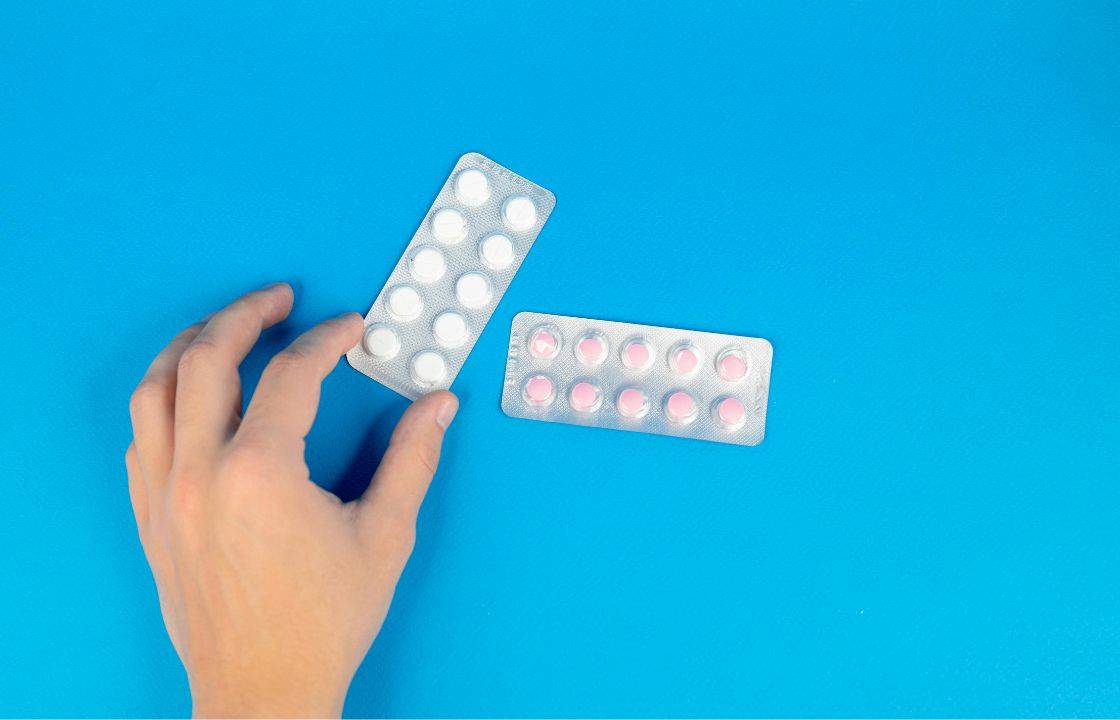
New oral formulations represent the next major leap in the world of modern patient care. A daily tablet available at local pharmacies removes the psychological barrier often linked with self-injection. For this reason, many individuals view the oral format as a much better fit for their lifestyle. Along with this, easier access does not always guarantee that a patient will see better clinical results.
Expert pharmacists know that managing these medications has always been a complex and demanding journey. Moving to a pill does not suddenly make the medical requirements any easier for most patients today. People must still navigate strict titration schedules while watching for potential side effects with great care. Furthermore, they must follow specific daily protocols regarding food timing and any missed doses.
Many individuals start these treatments with incredibly high expectations for their weight-loss results. It is common to find people balancing multiple medications and lifestyle changes for the very first time. In light of this, keeping a deep commitment to long-term care remains a major personal challenge. Proper guidance ensures that these individuals stay focused on reaching their health milestones safely.
Fragmented instructions from various doctors and websites often lead to a sense of massive confusion. Consequently, many people begin their journey with hope but lose heart when the routine gets complicated. Uncertainty about how to maintain a daily schedule can quickly destroy a person’s initial confidence. This result is predictable even when the medication is affordable and easy for them to find.
Skipped doses and delayed starts happen most often when the surrounding support systems fall apart. To be precise, low cost is only one small part of the overall health equation. Simply making a drug easier to start might actually increase the risk of someone quitting early. Patients need steady encouragement when they face the emotional weight of a brand-new medical routine.
Direct-to-patient business models are growing fast as these pills become a more common medical choice. At the same time, the ways people receive their professional guidance are becoming increasingly scattered. From the pharmacy counter, the fallout from this lack of coordination is often very easy to see. Patients often end up with conflicting advice or no real follow-up support at all.
Data consistently shows that many people struggle to stay on track after leaving the clinic. One major study found significant knowledge gaps in forty percent of all patient interactions. Many people feel unsure about how to take their medicine or manage their daily habits properly. In view of this, a lack of clear information remains a primary roadblock to long-term success.
People rarely stop taking their medicine for just one single or isolated reason. Instead, they usually struggle with several overlapping life challenges at the same time. Most medical systems focus on shipping boxes rather than helping people build lasting, healthy habits. Given this, a daily pill actually raises the stakes for personal routine-building and self-care.
Individuals living with diabetes often describe a deep sense of loneliness during their treatment process. The constant need to monitor blood sugar and food intake can feel very isolating. This is especially true when friends and family do not truly understand the daily struggle involved. This dynamic proves that medical success relies heavily on having a strong social support network.
Emotional health plays a massive role in whether someone actually sticks to their medical plan. A person who feels overwhelmed or alone is much more likely to miss their daily doses. This happens regardless of how easy it is for them to pick up the prescription. Accordingly, these new oral medications serve as a test for our current healthcare support models.
Online health platforms are great at getting medicine into the hands of the general public. Nevertheless, getting the box is only the first step of a very long health journey. Clinical outcomes suffer when a patient only receives disconnected bits of advice over time. Pharmacists see this happening when no single entity takes responsibility for the patient’s full understanding.
Oral GLP-1 drugs represent a genuine breakthrough for the future of modern public health. They lower the barrier to entry and give people more control over their own lives. Moreover, they prove that lasting health requires more than just a miracle drug in a bottle. The industry must now invest in the human side of the entire medical experience.