Medicare Launches Temporary GLP-1 Bridge Program Amid New Evidence on Weight Loss Drugs in Older Adults

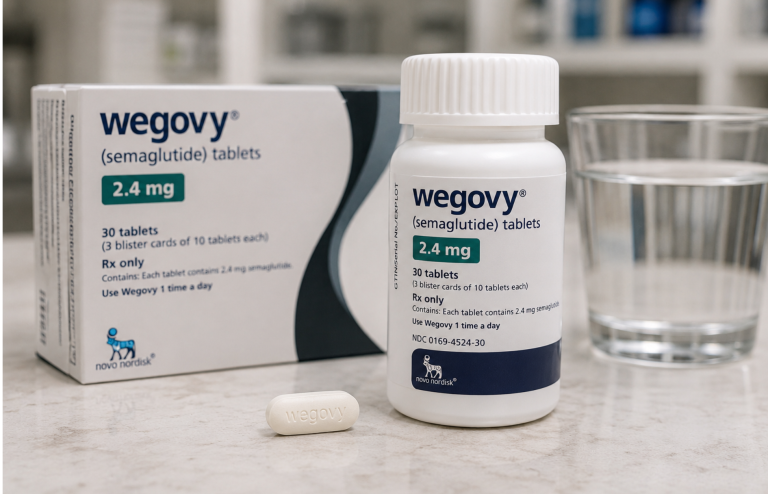
The Centers for Medicare and Medicaid Services just started a temporary program this week. This new project gives older adults cheaper access to popular weight loss drugs. Eligible people can now get medications like Wegovy and Zepbound for a flat fifty-dollar monthly copay. In view of this, the program acts as a helpful bridge for seniors who need financial relief.
Federal law usually stops Medicare Part D from covering drugs meant only for weight loss. Because of this rule, officials structured the new initiative as a short-term trial. To qualify, a person needs a body mass index of 35 or higher. Alternatively, they can have a lower index if they also have prediabetes or heart issues.
Seniors who already get these drugs covered for type 2 diabetes cannot sign up. Medicare Part D will keep paying for those specific prescriptions just like before. Furthermore, doctors must submit a special request before pharmacies can offer the lower price. This extra step ensures that only eligible patients receive the discount.
The launch of this program comes at the exact same time as important new medical data. Past clinical trials for Wegovy did not include many people over the age of 65. A recent look at older patients showed they lost about 15.5 percent of their body weight. Surprisingly, this drop almost matched the 15.6 percent weight loss seen in younger adults.
Meanwhile, patients who took a fake dummy pill lost only 5 percent of their weight. This massive difference proves that the actual medicine makes a real physical impact. Another review looked at seven different studies involving the drug Zepbound. At the highest dose, older adults lost around 23.3 percent of their weight.
Younger patients in that same study lost an average of 22.6 percent. These new facts show that the drugs work well no matter how old you are. Nevertheless, scientists note that they still lack data for patients over the age of 75. Therefore, doctors must remain careful when prescribing these medications to very old adults.
Aging changes how the human body processes strong medications. Older patients often have less muscle mass and weaker kidney function. In light of this, specialists want future medical studies to focus specifically on older age brackets. The FDA is actively tracking safety data as more seniors use these drugs.
Other recent studies looked at what happens when people stop taking the medication. Researchers found that patients usually gain the weight back very fast. This bounce back happens much quicker than it does with regular diet and exercise. Consequently, the data shows that obesity is a long-term illness that requires constant care.
Doctors in the program say that patients might need to take these drugs forever. Along with this, permanent coverage would cost the government roughly 35 billion dollars over the next decade. For now, the government will run this trial while leaders figure out a permanent plan. As a result, both doctors and patients face uncertainty about future drug costs.