GLP-1 Receptor Agonists May Compromise Efficacy of Oral Medications Through Delayed Gastric Emptying
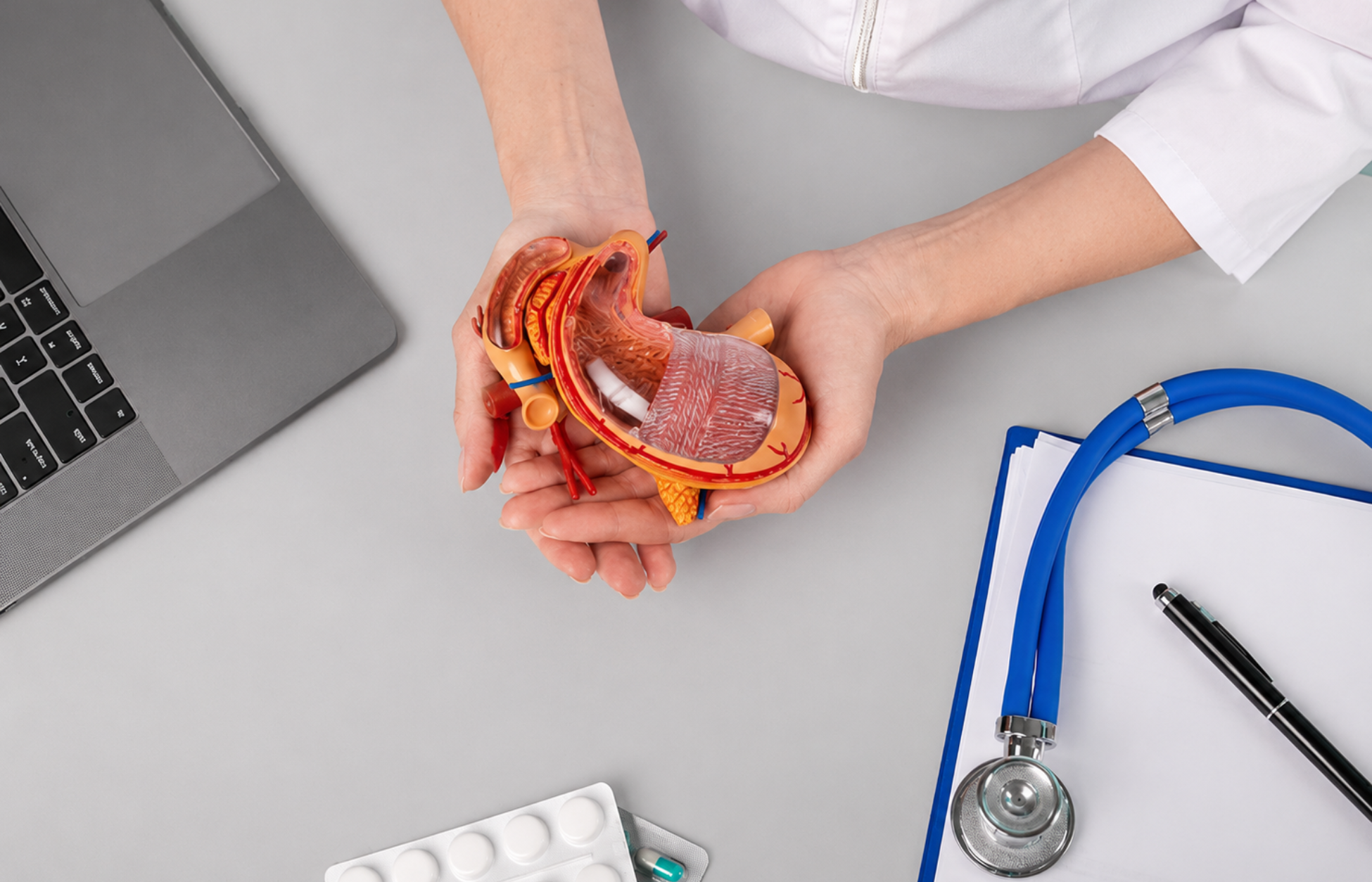
The treatment of type 2 diabetes and obesity has changed as a result of GLP-1 receptor agonists. Approximately 12% of people in the country have taken a GLP-1 medication. Concerns over these medicines’ interactions with co-administered oral drugs are thus being voiced by academics and doctors. The mechanism in question is the slowing of stomach emptying, which is a fundamental characteristic of the pharmacological class and resembles gastroparesis.
GLP-1 receptor agonists slow down stomach transit, which helps to lower appetite. This impact does not distinguish between drugs and foods. Because of this, oral medications taken with GLP-1 agents may stay in the stomach past the time frame for which they are supposed to be absorbed. This delay has immediate therapeutic repercussions in time-sensitive formulations.
Timely transport to the small intestine is essential for efficient oral medication absorption. Peak plasma concentrations change as stomach emptying slows. Bioavailability may also drop below therapeutic levels. In certain instances, the patient might not efficiently absorb the entire dosage. Medications that need precise pharmacokinetic profiles to maintain potency are most affected by this delay.
One area of particular concern is oral contraceptives. Numerous reports connecting the use of GLP-1 drugs to unwanted pregnancies have been submitted to regulators. Reduced and delayed absorption of the contraceptive pill is the suggested explanation. The hormone concentrations needed to suppress ovulation are upset by this delay. As a result, doctors who provide GLP-1 medications ought to reevaluate their patients’ methods of contraception.

The pharmacokinetic risk associated with oral hormone replacement treatment is comparable. Variations in plasma hormone levels can result from delayed absorption of estrogen-containing pills. Vasomotor symptoms, mood swings, and sleep difficulties may repeat as a result of this unpredictability. Moreover, the clinical justification for the use of therapy is compromised by irregular hormone supply.
Neurological drugs should also be carefully examined. GLP-1 medication interferes with oral levodopa absorption in Parkinson’s disease patients, as shown by published patient instances. The therapeutic window for levodopa is limited. Thus, the motor benefits of delayed stomach emptying may be diminished, and symptom management may become unstable. Systematic research into these particular impacts has been demanded by medical journals.
These interactions continue to have important therapeutic and regulatory ramifications. Potential pharmacokinetic interference must be assessed by prescribers overseeing patients on GLP-1 receptor agonists. An official interaction warning has not yet been issued by the national regulatory body. However, increased clinical vigilance is supported by the growing body of case data and mechanistic plausibility. For a customized risk assessment, patients should tell their doctors about any concurrent oral drugs.