Novel Oral GLP-1 Delivery System Bypasses Stomach Acid Without Fasting Requirements
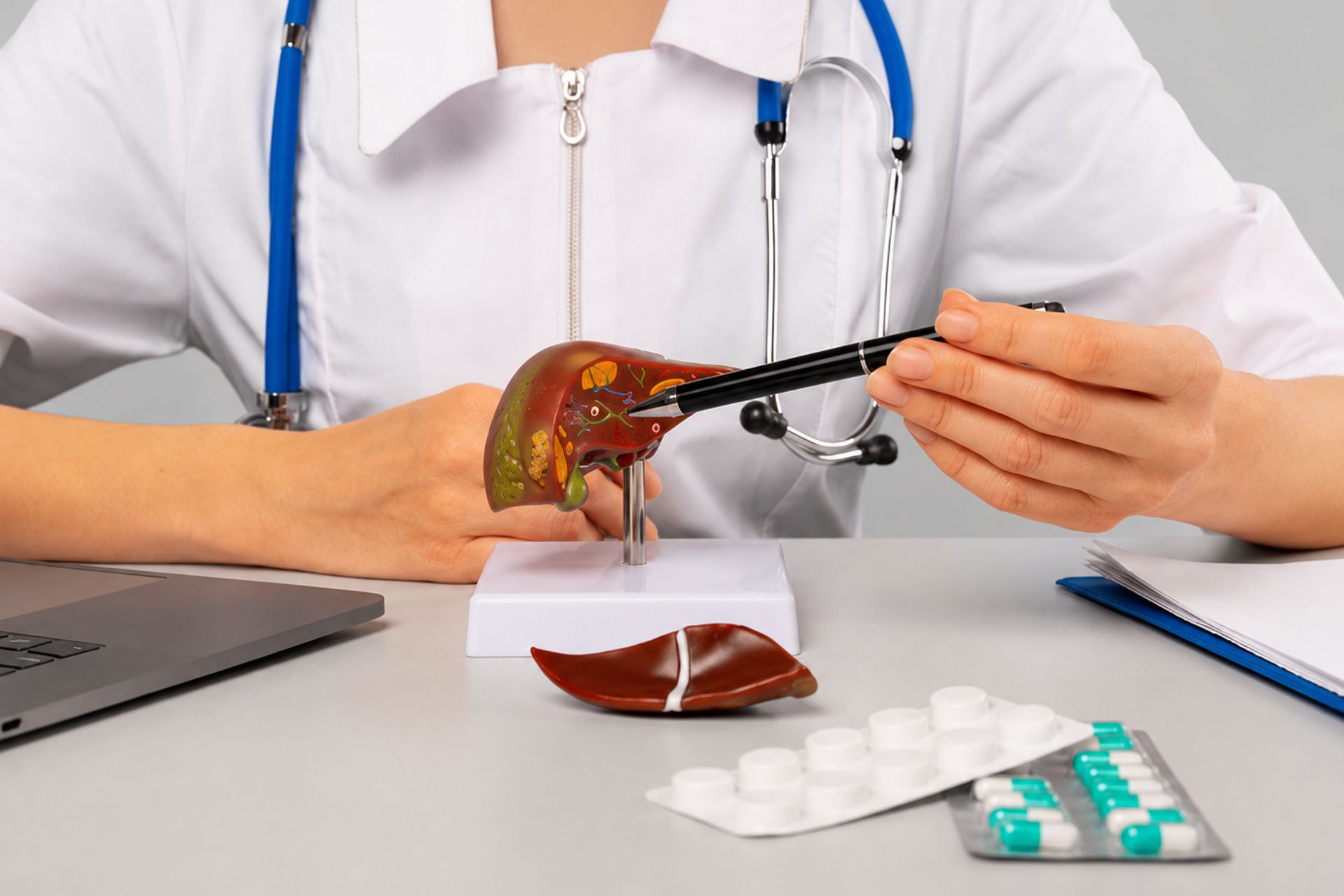
A novel oral delivery system for GLP-1 receptor agonists was created by biomedical engineers. The fasting requirement associated with current oral formulations is totally eliminated by this novel method. Interestingly, the oral platform continues to be just as effective as conventional injectable counterparts. This development removes a persistent obstacle to the wider use of peptide-based treatments.
Although GLP-1 medications are widely used in clinical settings, most formulations necessitate frequent injections. Peptides are structurally susceptible to digestion in the stomach. Similar to dietary protein, these therapeutic compounds are broken down by stomach enzymes. Current oral substitutes use a base component to neutralize stomach acid, but they must be taken on an empty stomach.
The novel approach focuses on a class of natural biomaterials called elastin-like polypeptides. These polypeptides exist in flexible, disordered conformations, in contrast to regular proteins. By modifying the amino acid makeup, researchers can readily modify their physical behavior. As a result, the substance fluctuates between solid and liquid states in reaction to variations in acidity or temperature.
Researchers created a synthetic self-assembling system based on a stress-response mechanism seen in yeast. The polypeptide structure creates a protective bioparticle in the stomach’s acidic environment. The GLP-1 chemical is safely enclosed by this particle. The particle breaks down and releases the active medication as it passes through the colon.

Preclinical research revealed that the oral formulation group’s weight reduction was comparable to that of the injection group. Treatment outcomes were unaffected by high-calorie diets. Additionally, the system’s component parts can be produced by common microorganisms. Scalable and economical pharmaceutical manufacturing is supported by this compatibility.
This development’s clinical significance goes well beyond a particular class of drugs. The oral delivery limits of many authorized peptide treatments are the same. Therefore, these obstacles across a variety of chronic illnesses could be addressed by an encapsulating method. Moreover, some oral small-molecule initiatives are still in clinical studies with less potency information.
Among a variety of patient categories, injection aversion is a significant barrier to treatment adherence. Patient access could be increased using an oral preparation that maintains complete potency. It completely eliminates the need for laborious nutritional preparation. Translation to additional peptide medication classes is therefore still a primary goal of ongoing research.