GLP-1 Weight-Loss Medications See Unprecedented Surge in US Usage
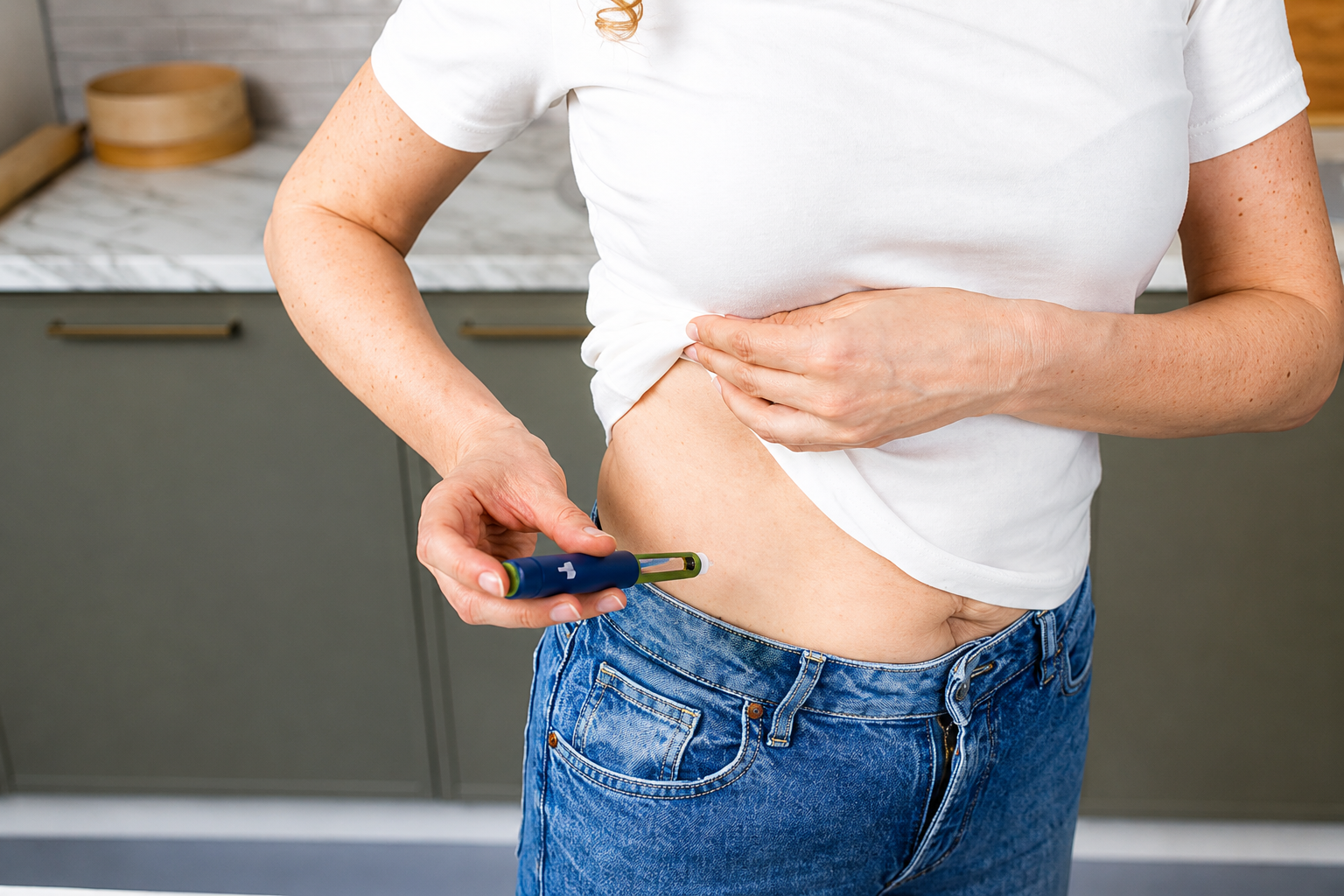
Interest in GLP-1 drugs for shedding pounds has exploded across the country. The trend line alone tells a compelling story.
Fresh survey figures reveal that roughly 11% of American adults relied on a GLP-1 medication for weight control in 2026. Just two years earlier, in 2024, that share sat at only 3%. Put simply, adoption has more than tripled in a short window. Looking at lifetime use, 15% of adults report having tried a GLP-1 drug for shedding excess weight at some point.
The backstory behind these drugs is oddly fascinating. Semaglutide, the active ingredient powering Ozempic and Wegovy, originated from research into Gila monster venom back in 2008. Researchers identified a peptide in that venom bearing a close resemblance to a natural human hormone called GLP-1. This hormone plays a key role in regulating insulin and blood sugar in people managing type 2 diabetes. That finding paved the way for Novo Nordisk to bring Ozempic to market in 2017 as a diabetes therapy.
It didn’t take long before another pattern emerged. Patients taking the drug were dropping substantial weight. Recognizing this, Novo Nordisk went on to design Wegovy specifically for long-term weight management. The FDA gave its approval for that use in 2021, and demand has risen steadily since then.
Neither medication is available without a doctor’s prescription, and there’s a clear rationale for that. Physicians typically begin patients on a small dose before gradually increasing it. Doing so limits nausea and other digestive side effects that can accompany treatment. Given this, physician oversight remains essential from start to finish.
Affordability continues to stand as one of the largest obstacles to treatment. Individuals with diabetes-related drug coverage often pay somewhere between $25 and $100 each month. Insurance specifically covering obesity treatment, where it exists, usually runs higher, generally $100 to $300 monthly.
For the uninsured, expenses rise sharply. Brand-name GLP-1 prescriptions can cost $900 to $1,400 monthly without coverage. Across a full year, that totals as much as $12,000. Consequently, many patients have looked elsewhere for more affordable options.
That financial gap has fueled rising interest in compounded formulations of these medications. Brand-name products still dominate the market, representing 68% of use. Compounded or custom-blended alternatives, meanwhile, account for 19%. Notably, nearly a third of current GLP-1 users have switched from brand-name products to compounded versions at some point, largely due to cost.
Regulators have responded with caution. The FDA has issued compounding risk alerts flagging concerns about inconsistent dosing and variable quality control. Unlike branded drugs, compounded versions bypass the same strict regulatory review process. As a result, there’s reduced assurance regarding what each dose actually contains. Officials continue advising patients to consult their prescribing doctor before making any switch.
Alongside these shifts, a broader public health trend has taken shape. The national obesity rate fell to 36.4% in 2026, down from a peak of 39.9% in 2022. It may be tempting to attribute this entirely to GLP-1 drugs. Nevertheless, experts note that diet, physical activity, and other clinical treatments likely contribute as well.
Even so, these medications continue to transform how Americans pursue weight management. Questions surrounding cost, access, and safety remain far from settled. As demand keeps rising, insurers, regulators, and manufacturers will face growing pressure to deliver treatments that are both safe and within reach financially.