How GLP-1 Weight Loss Drugs Change How You Smell Fragrances?
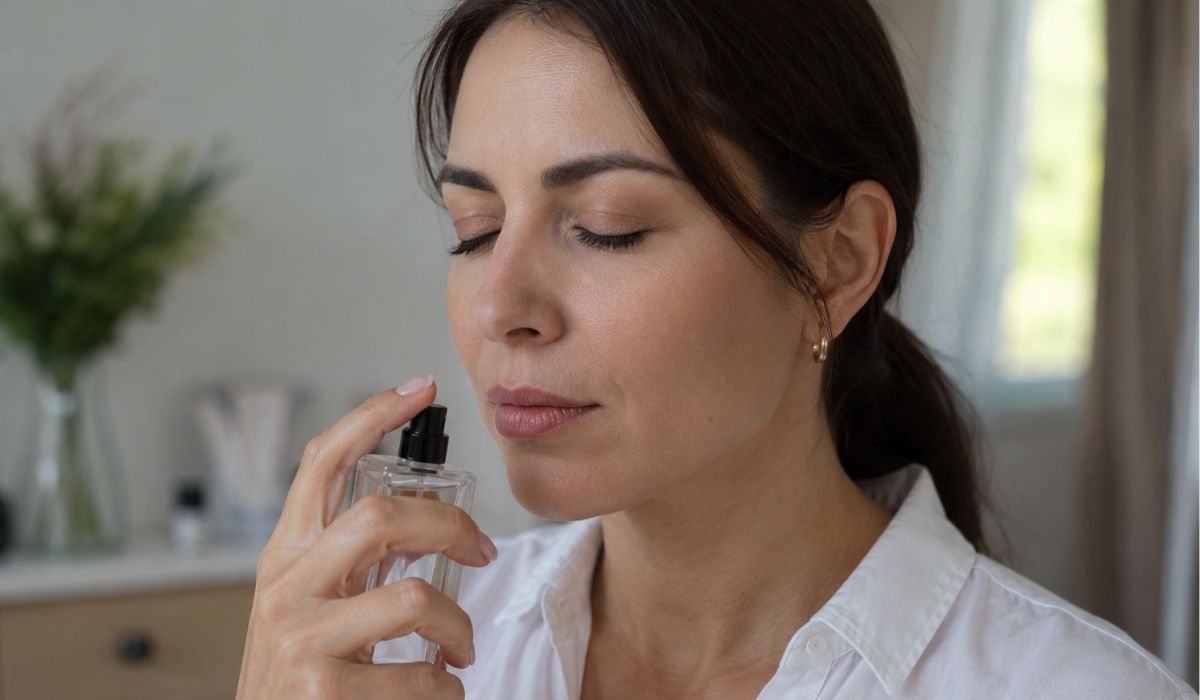
People who take weight loss drugs like Ozempic, Wegovy, and Mounjaro are noticing a surprising side effect: their sense of smell is changing. Many users say they notice scents much more easily than before. They also find food smells less appealing, while non-food scents like perfumes become much more attractive. Because of these reports, obesity doctors and researchers are taking a closer look at how these drugs affect our noses.
Medical specialists who prescribe these medications are seeing this trend firsthand in their clinics. They notice that many patients report stronger reactions to everyday smells soon after starting treatment. Heavy, greasy, or fried food smells often start to bother people or make them feel uneasy. At the same time, many patients start paying much more attention to personal perfumes and household air fresheners.
Doctors believe these changes happen because the drugs alter how the brain handles pleasure and reward. Normally, eating tasty food releases dopamine, a chemical in the brain that makes us feel good. GLP-1 medications lower this dopamine response to food, making eating feel less exciting. When food smells stop feeling rewarding, the brain looks for pleasure elsewhere, making nice fragrances stand out much more.
Smell experts offer a similar explanation for why people start loving new perfumes. When food loses its strong appeal, it leaves a sensory gap in a person’s daily life. Pleasant smells like flowers, citrus, or sweet scents step in to fill that missing gap. This shift shows that the brain is resetting how it processes overall pleasure, rather than just changing a single sense.
There is also a physical reason why these medications affect how things smell. The brain area that processes smells, called the olfactory bulb, contains GLP-1 receptors. These same receptors also exist in brain regions that handle memory and mood. Early research suggests that activating these receptors changes how smell signals interact with hunger, insulin levels, and eating habits.
Official health reporting systems have gathered reports of smell changes from people taking GLP-1 drugs. Some users experience parosmia, a condition where normal smells suddenly seem distorted or unpleasant. This disorder can make food smells unappealing while leaving perfume smells completely unchanged. In some cases, it even makes sweet or woody perfumes feel more enjoyable than they used to be.
Improvements in overall health might also play a role in how people experience scents. As patients lower their blood sugar and reduce body inflammation, they often report feeling less brain fog. Having a clearer head makes people more aware of small details in their surroundings, including subtle aromas. However, researchers still need to conduct more tests to prove this direct link.
Scientists stress that we still need large medical studies to fully understand these sensory shifts. People react differently to these medications, as some love new scents while others dislike perfumes they used to enjoy. Because these are prescription drugs, doctors advise talking to a healthcare provider about any strange sensory changes. Tracking these symptoms helps medical agencies keep these widely used treatments safe for everyone.