Novo Nordisk to Slash GLP-1 List Prices by Up to 50% in U.S. to Cut Costs for Insured Patients
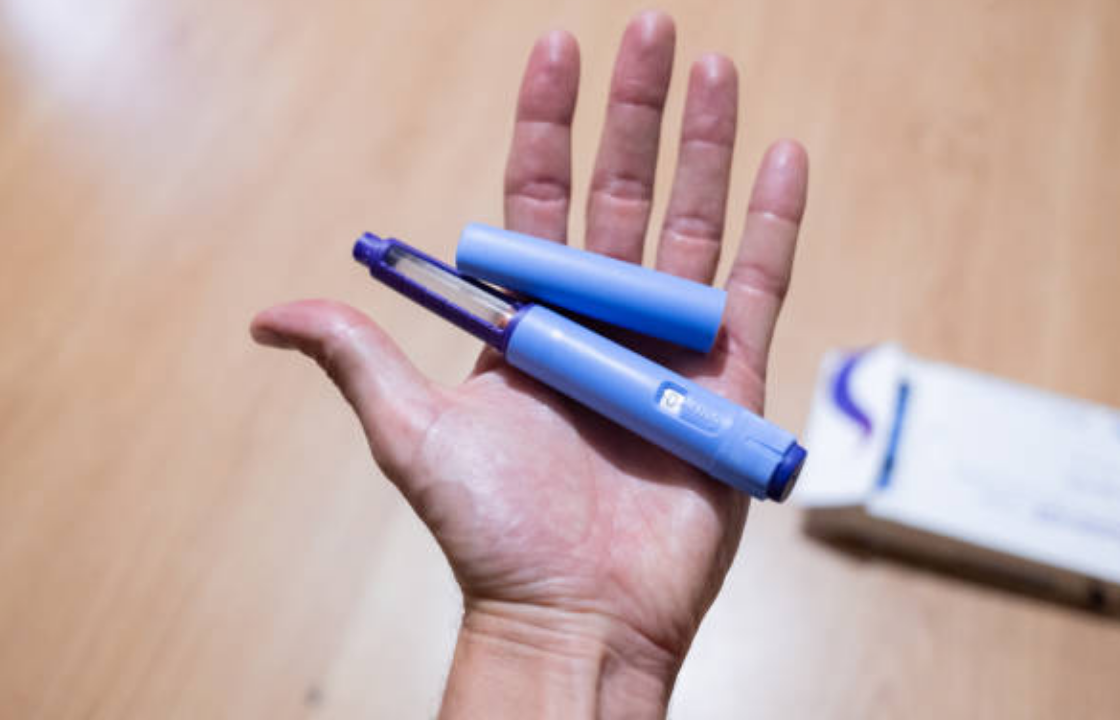
Novo Nordisk recently confirmed a major shift in its pricing strategy for GLP-1 receptor agonist medications. The manufacturer plans to reduce list prices by as much as 50 percent for its most prominent branded products. This change carries significant weight for patients who rely on these therapies to manage obesity and type 2 diabetes. Furthermore, the decision highlights the mounting pressure on pharmaceutical companies to address the high cost of modern medicine.
The Scope of Proposed Price Reductions
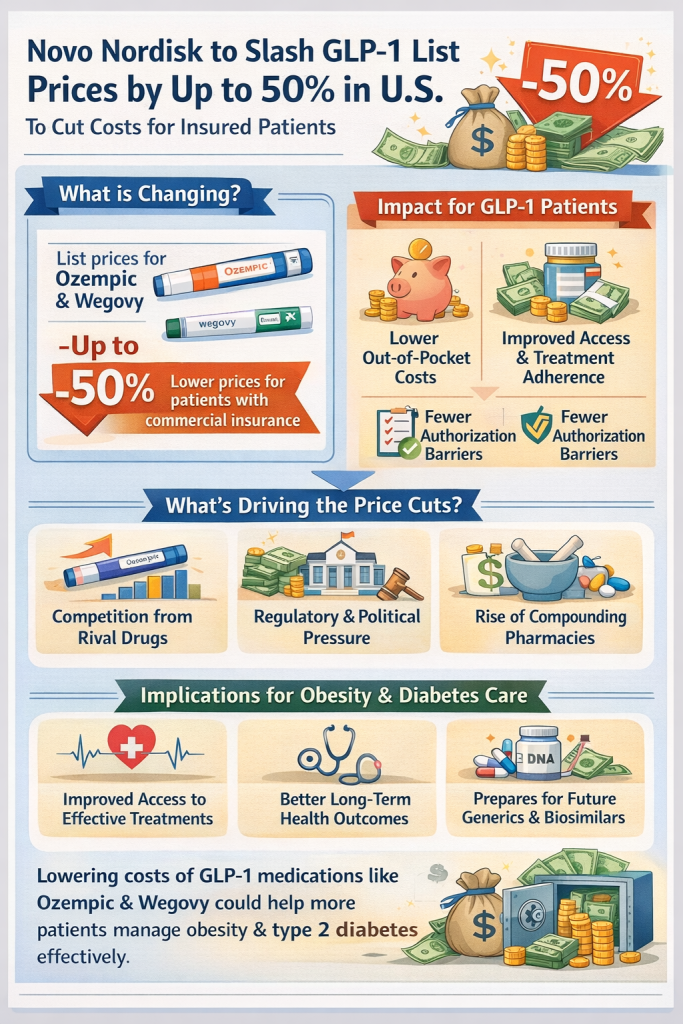
The price cuts apply specifically to branded GLP-1 products currently sold within the pharmaceutical market. Ozempic, a staple for managing blood sugar in type 2 diabetes, falls directly under this new pricing umbrella. Along with this, the weight management medication Wegovy will also see its list price drop significantly. Consequently, the actual relief for patients depends on how their insurance plans structure their specific benefits.
Clinical and Economic Context of GLP-1 Pricing
GLP-1 receptor agonists have fundamentally changed how clinicians treat metabolic diseases and obesity. Medications like Ozempic and Wegovy consistently help patients lower their body weight and improve cardiovascular health markers. Notably, newer dual agonists such as Mounjaro have also shown impressive results in recent clinical trials. Nevertheless, steep list prices have historically kept these life-changing treatments out of reach for many eligible individuals.
The wide gap between list prices and net costs often makes things difficult for the average patient. While insurers negotiate rebates behind the scenes, patients in high-deductible plans often face the full list price. This financial burden can be overwhelming for those needing long-term care for chronic metabolic conditions. Therefore, the current pricing structure remains a primary obstacle to effective and consistent disease management.
Mechanisms Driving the Pricing Decision
Several powerful market forces pushed Novo Nordisk to make this significant downward pricing adjustment. Competition from biosimilar agents is heating up as older drugs in this category lose their patent protection. Meanwhile, federal regulators have increased their oversight of drug pricing to unprecedented levels in recent years. In light of this, the Inflation Reduction Act gave the government new tools to influence market costs.
Novo Nordisk also had to consider the rise of compounding pharmacies that fill gaps during medication shortages. While federal authorities declared these shortages resolved in early 2025, many patients still seek out lower-cost alternatives. Branded manufacturers now face the challenge of proving their value to maintain their share of the market. Given this, these price cuts are a calculated move to satisfy both regulators and consumers.
The federal price negotiation program recently added semaglutide to its second cycle of review. This move signals a permanent shift toward lower prices for one of the company’s top-selling products. Proactively lowering the list price may help the firm establish a better starting point for these negotiations. Accordingly, these voluntary reductions serve a mix of commercial goals and complex regulatory strategies.
Impact on Insured Patient Populations
The new pricing initiative focuses specifically on patients who hold commercial health insurance coverage. These individuals may see their out-of-pocket costs drop if their insurers update their plan designs. Those using Wegovy for weight loss or Ozempic for diabetes stand to benefit most from these changes. Nevertheless, the real impact depends on how quickly insurance companies pass these savings on to their members.
Formulary and Coverage Considerations
Health plans use complex tier systems to determine what a patient pays for their specific medications. Lower list prices often make it easier for insurers to place these drugs in more affordable tiers. Moreover, a lower price reduces the total amount applied toward a patient’s yearly deductible limit. Thus, people in high-deductible health plans might experience the most immediate financial relief at the pharmacy.
Disparities in Access Across Insured Groups
Access problems persist even for those with what seems like robust private health insurance. Employer-sponsored plans vary wildly in how they choose to cover medications for weight management. Many companies still choose to exclude drugs like Wegovy from their list of covered benefits entirely. In view of this, price cuts alone will not fix the deeper issues of coverage and access.
The Role of Cost-Sharing in Treatment Adherence
The cost of a prescription often determines whether a patient actually finishes their course of treatment. Research shows that higher costs at the counter lead many people to stop taking their medicine. For GLP-1 therapies, staying on the medication is essential for seeing real health improvements. Building on this, lower costs could lead to better long-term health outcomes for the entire population.
The prior authorization process remains a significant headache for both doctors and their patients. These administrative rules often cause long delays before a patient can even start their first dose. However, a lower price point might make insurers less likely to put up these roadblocks. Given this, the pricing change could eventually make the whole prescription process much smoother.
Implications for Obesity and Type 2 Diabetes Management
Obesity is a major factor behind heart disease and other serious metabolic conditions. Using effective medications to manage weight can lower the risk of heart attacks and strokes. GLP-1 agonists are currently the most reliable pharmacological tools for helping patients achieve these goals. Therefore, making these treatments more affordable is a major win for public health efforts.
Diabetes care has relied on GLP-1 agonists for their ability to protect the heart while lowering sugar. To be precise, Ozempic is specifically approved to help prevent major cardiovascular events in high-risk patients. Better access to these drugs could help more people follow the latest medical guidelines for care. Hence, many doctors see these price reductions as a vital step forward for their patients.
Competitive Landscape and Market Dynamics
Rival companies are putting up a tough fight with products like Mounjaro and Zepbound. Novo Nordisk likely lowered its prices to stay competitive as these other options gain more popularity. The market for weight loss and metabolic health is moving faster than ever before. As a result, being aggressive with pricing is now just as important as having good clinical data.
The arrival of biosimilar semaglutide in the coming years will only make this competition more intense. These generic-style versions usually force the prices of branded drugs down once they hit the market. By cutting prices now, the company hopes to keep insurers and patients loyal to their brand. Meanwhile, getting a good spot on an insurance formulary now can protect market share for years.
Regulatory and Policy Context
The current political climate favors companies that take steps to lower costs. Federal agencies now have more power than ever to negotiate the prices of expensive medications. Since GLP-1 drugs are some of the most used prescriptions, they are an easy target for reform. Notably, companies that move first on pricing may avoid more heavy-handed regulations in the future.
Federal agencies have also shown more interest in covering weight loss drugs through public programs. Medical groups continue to push for better access to these essential treatments for chronic diseases. This announcement from Novo Nordisk fits perfectly into the ongoing national conversation about healthcare equity. Consequently, this move could lead other companies in the industry to rethink their own pricing models.
Limitations and Outstanding Uncertainties
It is important to remember that list price cuts do not always mean a cheaper prescription. These reductions do not reflect the secret net prices that insurers actually pay after their rebates. Furthermore, insurance companies usually only update their plan designs once every calendar year. Therefore, many patients might have to wait until next year to see any real savings.
Additionally, these changes do not help people without insurance or those on certain public plans. Those who pay the full cash price at the pharmacy might see only modest benefits. The long-term success of this strategy depends on selling more units to make up for lower prices. Beyond this, it is hard to say how other drug companies will respond to this move.
Conclusion
The decision to lower GLP-1 list prices is a major milestone for pharmaceutical access. It tackles the high costs that have long kept patients from the best available treatments. Given how well Wegovy and Ozempic work, this change could lead to much better health for millions. Moreover, it shows that the era of unchecked high prices for blockbuster drugs may be ending.
Ongoing competition and the eventual arrival of biosimilars will keep the pressure on for years to come. Now, it is up to insurance companies to make sure these savings reach the people who need them. Healthcare providers must stay informed so they can help their patients find the most affordable care. Indeed, more accessible GLP-1 therapies have the potential to change the face of chronic disease management.
References
American Diabetes Association. (2024). Standards of care in diabetes: Pharmacologic approaches to glycemic treatment. Diabetes Care, 47(Suppl. 1), S158–S178. https://doi.org/10.2337/dc24-S009
Lincoff, A. M., Brown-Frandsen, K., Colhoun, H. M., Deanfield, J., Emerson, S. S., Esbjerg, S., & Kahn, S. E. (2023). Semaglutide and cardiovascular outcomes in obesity without diabetes. New England Journal of Medicine, 389(24), 2221–2232. https://doi.org/10.1056/NEJMoa2307563
Jastreboff, A. M., Aronne, L. J., Ahmad, N. N., Wharton, S., Connery, L., Alves, B., & Wadden, T. A. (2022). Tirzepatide once weekly for the treatment of obesity. New England Journal of Medicine, 387(3), 205–216. https://doi.org/10.1056/NEJMoa2206038
Dieleman, J. L., Cao, J., Chapin, A., Chen, C., Li, Z., & Murray, C. J. L. (2020). US health care spending by payer and health condition, 1996–2016. JAMA, 323(9), 863–884. https://doi.org/10.1001/jama.2020.0734