GLP-1 Pill vs Injection: Which Is Better for Weight Loss?
Glucagon-like peptide-1 (GLP-1) receptor agonists have fundamentally changed how doctors treat obesity and type 2 diabetes. Regulatory approvals for medications like Wegovy, Ozempic, and Mounjaro significantly expanded modern treatment options. Consequently, clinicians must now determine whether oral or injectable versions produce better weight loss outcomes. This article examines the basic facts and clinical evidence framing this comparison.
Mechanism of Action Common to both Formulations
GLP-1 receptor agonists bind selectively to receptors within the pancreas and the brain. This receptor activation helps the body release insulin while also stopping glucagon release. Moreover, signals from these activated receptors reduce hunger and make people feel full longer. These combined effects drive significant reductions in calorie intake and body weight over time.
Pharmacokinetics: Where Oral and Injectable Agents Diverge
The way a person takes the medicine profoundly shapes how it works in the body. Injectable agents go directly into the blood through a shot to produce steady levels. Oral versions face tough digestion in the stomach and limited absorption by the body. As a result, oral pills require much higher doses to achieve the same drug levels.
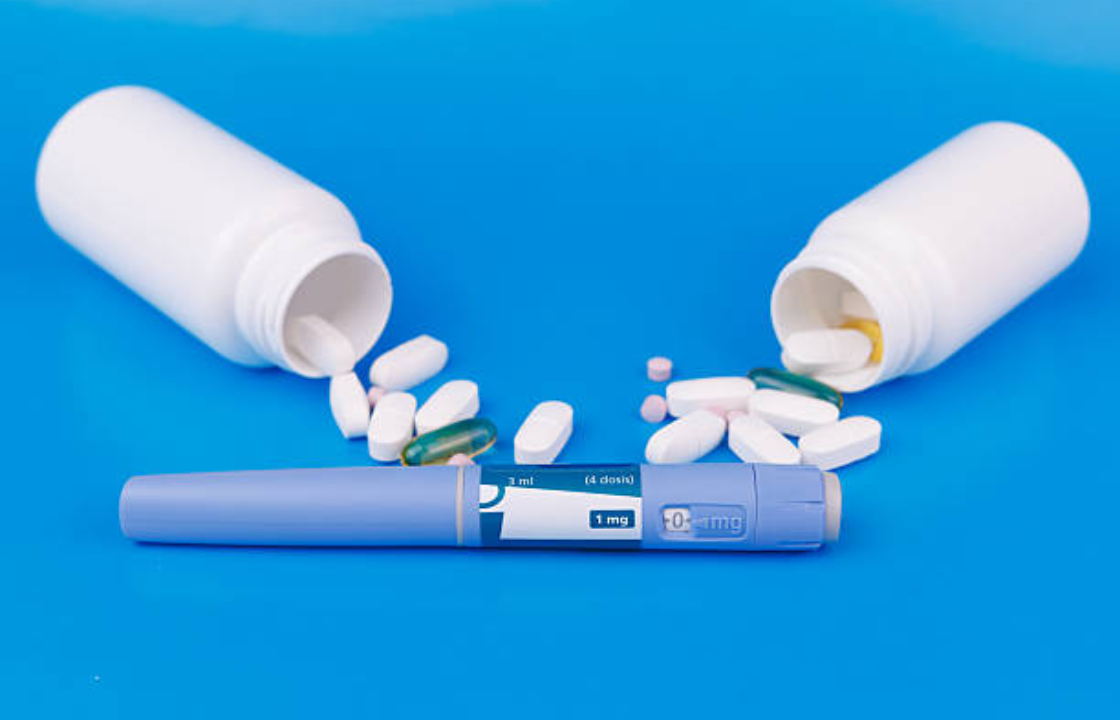
Semaglutide remains the only GLP-1 drug currently sold in both pill and shot forms. The oral tablet uses a special ingredient to help the stomach absorb the medicine. Nevertheless, the amount that actually enters the blood is much lower than an injection. Accordingly, the approved oral dose for diabetes is 14 mg daily to match a weekly shot.
Comparison of Delivery Methods
| Feature | Injectable GLP-1 (e.g., Wegovy) | Oral GLP-1 (e.g., Rybelsus) |
| Administration | Weekly subcutaneous injection | Daily oral tablet |
| Bioavailability | High and consistent | Low; requires absorption enhancers |
| Typical Efficacy | 15% to 22.5% weight reduction | 4% to 17.4% (dose-dependent) |
| Primary Barrier | Needle-related hesitation | Strict fasting requirements |
| Plasma Stability | Highly stable over seven days | Fluctuates based on daily absorption |
| Dosing Protocol | Simple weekly schedule | Specific timing and water limits |
Injectable Agents: Established Efficacy Data for Weight Loss
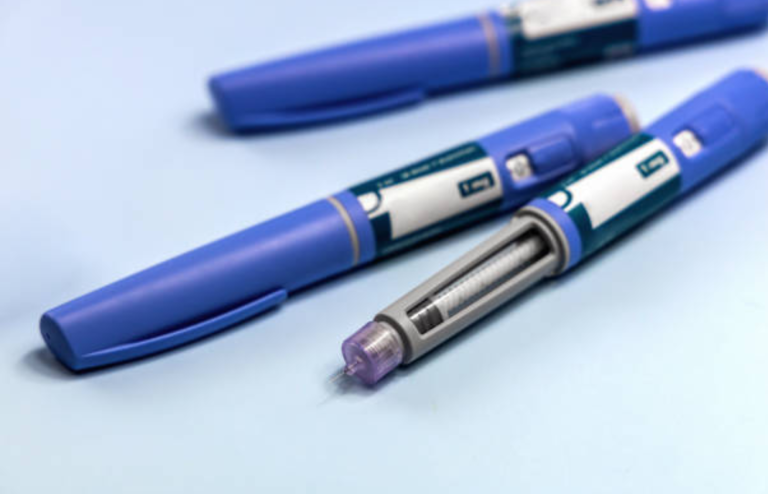
Injectable GLP-1 receptor agonists have a very strong history of success in clinical trials. Semaglutide 2.4 mg helped people lose an average of about 15 percent of their body weight. Tirzepatide achieved even higher results with up to 22.5 percent weight loss in major studies. These results establish injectable shots as the current gold standard for weight loss medicine.
Furthermore, shots like Ozempic showed steady weight loss while also improving blood sugar levels. Stable drug levels from a weekly shot keep the brain from feeling hungry all week. Notably, this consistency leads to reliable results for many different types of patients. Given this, injectable formulations carry the strongest evidence for helping people lose weight.
Oral GLP-1 Agents: Emerging Efficacy at Higher Doses
Oral semaglutide has shown it can cause real weight loss at higher test doses. One study looked at 50 mg daily in adults struggling with obesity. Participants achieved a weight loss of about 17.4 percent over 68 weeks of treatment. Hence, higher dose pills show the potential to work almost as well as weekly shots.
The PIONEER study program tested lower doses of the pill for patients with diabetes. Weight loss in these trials was more modest, ranging from 1 kg to 4.4 kg. Building on this, drug companies are now working on even stronger oral doses. Nevertheless, strict rules for taking the pill and daily habits may limit these results.
Tolerability Profiles and Gastrointestinal Adverse Effects
Side effects are mostly the same for both the pill and the shot versions. Both ways of taking the medicine can cause stomach issues like nausea, vomiting, or constipation. These effects are most common when first starting or when raising the dose. Likewise, both versions carry rare risks for gallbladder problems that doctors must discuss.
Long Term Durability of Weight Loss Across Formulations
Evidence from long-term studies shows that keeping weight off depends on staying on the medicine. Stopping the shots often leads to people gaining back most of the weight they lost. Similarly, early data suggests that pills show the same pattern when a person stops taking them. Therefore, clinicians must treat GLP-1 therapy as a long-term plan rather than a quick fix.

Adherence Barriers and Administration Requirements
Sticking to the treatment is the most important part of losing weight over time. Injectable shots require a person to poke themselves, which can be scary for some. Oral pills remove the need for needles and may be easier for some people to accept. Indeed, patient preference for a pill is a major reason why people choose one treatment.
Oral semaglutide has very specific rules that can be hard to follow every day. Patients must take the pill on a totally empty stomach with only a little water. They must then wait at least 30 minutes before eating or drinking anything else. In light of this, clinicians must look at a patient’s lifestyle before picking the pill.
Cost and Regulatory Context
The high price of GLP-1 therapy is a major problem for many people. Injectable drugs like Wegovy often cost more than $1,000 per month without help. Oral semaglutide costs a similar amount for most patients at the currently approved doses. Consequently, insurance coverage is usually the biggest factor in which version a person can get.
Government rules also decide which medicine a doctor can prescribe for certain health goals. Injectable semaglutide and tirzepatide have official approval specifically for treating obesity. Oral semaglutide is currently only officially approved for treating type 2 diabetes. Therefore, clinicians must make sure they are following the correct rules for each patient.
Comparative Assessment: Formulation Selection in Practice
No single version of this medicine is perfect for every single person. Injectable shots currently offer the most weight loss based on the latest trial data. Higher dose oral pills are showing great results that might close this gap very soon. With this in mind, the choice should be personal and based on medical needs.
Both versions work on the same parts of the body to help with weight. The differences in results come from how the body absorbs the medicine, not the medicine itself. Shots provide more steady levels in the blood, which leads to better hunger control. Thus, the way you take the drug changes how well it works for you.
Shared decision making between doctors and patients should guide the final choice of treatment. Clinicians must think about how well it works and what the patient prefers. Moreover, regular check-ups are necessary no matter which version a person chooses to use. Building on this, a patient-centered approach is the best way to get good results.
Conclusion
GLP-1 receptor agonists are a massive step forward for treating obesity and diabetes. Injectable shots currently provide the most proven evidence for losing a lot of weight. Oral semaglutide is a great second option for people who do not like needles. As new oral versions arrive, the choices for patients will continue to get better.