Do GLP-1 Pills Cause Hair Loss?
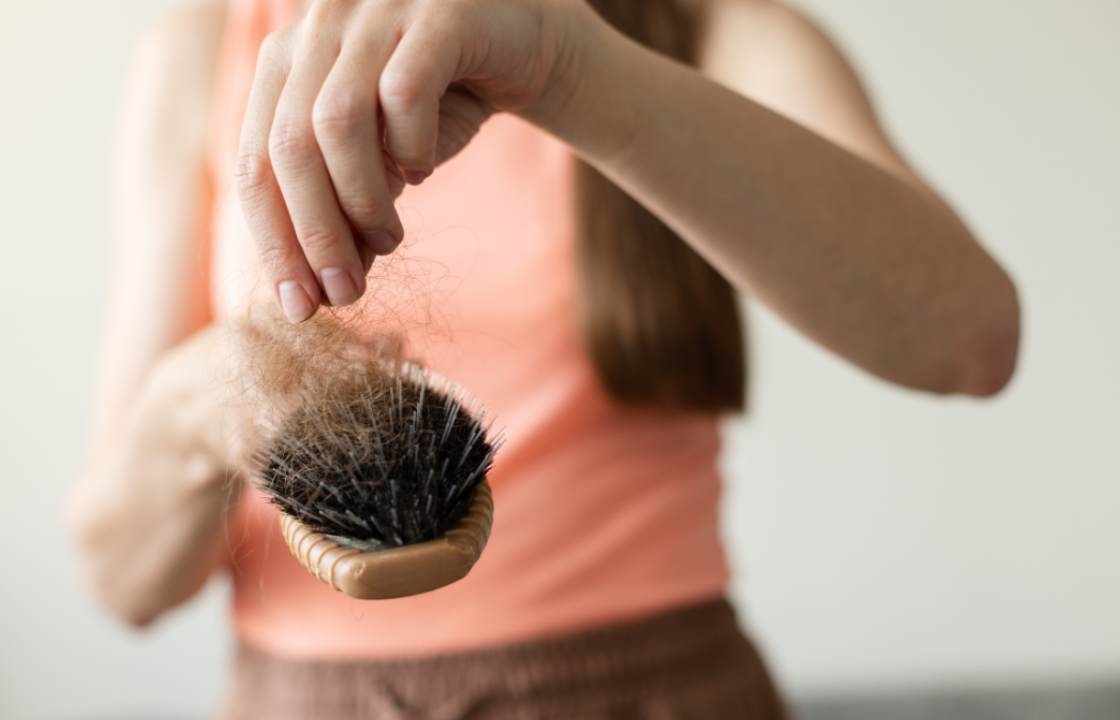
Starting a GLP-1 journey is a massive step toward taking back control of your health and feeling like yourself again. These medications have transformed the way we treat type 2 diabetes and obesity by offering powerful support for weight management. Nevertheless, some people notice their hair thinning out after they begin their treatment. Understanding why this happens is the best way to stay calm and keep your progress on track.
Hair loss from these medications is usually tied to how fast you lose weight rather than the drug itself. This temporary shedding is known as telogen effluvium, and it happens when the body feels under a lot of metabolic stress. Rapidly cutting calories and losing fat triggers a survival mode that shifts hair follicles into a resting phase. Consequently, you might see more hair in your brush a few months after starting your new routine.
The science behind this involves a temporary glitch in your natural hair growth cycle. Your hair follicles move through three specific stages: growing, transitioning, and resting. Metabolic shocks, like a sudden drop in weight, can force too many hairs into the resting phase at once. This results in a general thinning across your scalp rather than specific bald spots.
Mechanisms Linking GLP-1 Therapy to Hair Shedding
These pills work like a supportive coach for your metabolism by quieting food noise and slowing down digestion. While this leads to incredible results, losing 10 to 20 percent of your weight quickly is a big change for your system. This rapid physical transformation puts a heavy demand on your internal resources. In response to this, your body may temporarily deprioritize hair growth to save energy for vital functions.
Nutritional gaps can also make hair thinning more likely during your weight loss journey. Many people find they eat much less protein once their appetite drops significantly. Your hair relies on specific building blocks like iron, zinc, and biotin to stay strong and healthy. Moreover, eating fewer calories can sometimes mean your body is not getting enough of these essential tools. Given this, keeping an eye on your nutrition is a smart way to protect your hair.
Hormonal shifts that happen during fat loss can also play a role in how your hair looks. Your fat cells actually produce hormones that help regulate your entire metabolic system. When you lose weight fast, your levels of estrogen and thyroid hormones can fluctuate quite a bit. These changes can sometimes destabilize your hair growth and lead to temporary thinning. Notably, even small shifts in thyroid function are well known for affecting hair density.
Clinical Evidence and Patient Observations
Medical trials have documented hair loss as a known side effect for a small group of patients. To be precise, fewer than 5 percent of people in these studies reported significant shedding. Nevertheless, real-world reports suggest it might be more common for those who lose weight very quickly. This suggests that the speed of your transformation matters more than the pill itself.
The timing of the shedding usually confirms that your metabolism is just adjusting to the change. Most people notice thinning about two to four months after they take their first dose. This delay matches the natural timeline of how hair follicles react to physical stress. Furthermore, most patients find that their hair grows back naturally within a year.
It is important to make sure your hair loss is not being caused by something else entirely. Other issues, like thyroid disorders or genetics, have very different patterns from weight-related thinning. Stress-related shedding usually looks like a general loss of volume across the whole head. Accordingly, a quick check-up with a professional can rule out other medical concerns.
Nutritional Strategies to Minimize Hair Loss
Focusing on your protein intake is one of the best ways to keep your hair healthy. Your hair is made of a protein called keratin, which needs a steady supply of amino acids. Aiming for 1.2 to 1.6 grams of protein for every kilogram of weight is a great target. This provides the support your follicles need while your body is changing.
Taking the right supplements can also act as a safety net for your hair. Iron deficiency is a common culprit for thinning, especially when your diet changes quickly. Low levels of ferritin often lead to more shedding than usual. Along with this, zinc and biotin help support the cellular work required to grow new strands. In view of this, a simple daily vitamin might make a big difference.
Try to avoid “crashing” your weight too hard by keeping your progress steady and controlled. While the pills make it easy to eat very little, losing one to two pounds weekly is much safer. This slower pace gives your body time to adapt without triggering a major stress response. Building on this, working with a nutritionist can help you find a healthy balance.
Differentiating Oral and Injectable Formulations
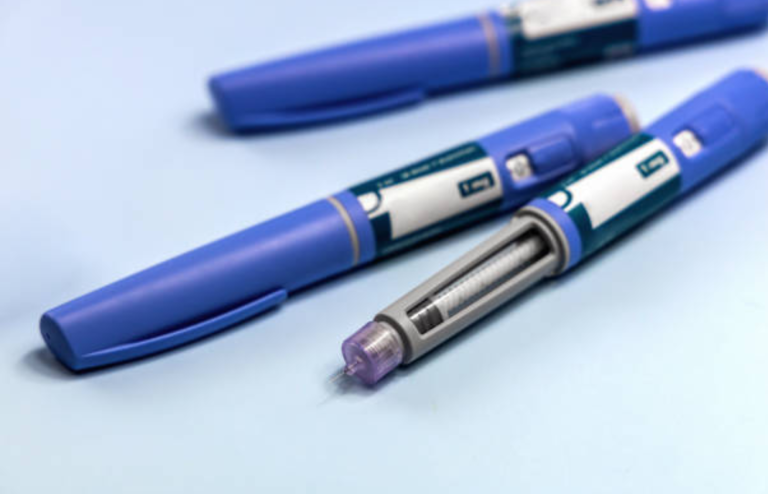
You can now choose between taking a daily pill or a weekly injection for your treatment. The oral version of semaglutide is a popular choice for people who want to avoid needles. Both versions are equally effective at helping you reach your health and weight goals. Consequently, the risk of temporary hair thinning is roughly the same for both options.
The way these two versions enter your system is slightly different, but the result is similar. The pill needs a bit more help to be absorbed through your stomach lining. This means it takes a little longer to reach peak levels in your blood. Nevertheless, once the medication is in your system, it works on the same receptors. These small timing differences do not seem to change how your hair reacts.
Your personal lifestyle and daily routine should be the main factors in your choice. Some people love the convenience of a pill, while others prefer to set it and forget it weekly. Staying consistent with your dose is what really drives your long-term success. In light of this, pick the version that fits most easily into your life.
Management Approaches for Affected Individuals
The most important thing to remember is that this kind of hair loss is almost always temporary. You do not need special treatment for your hair to start growing back on its own. New growth usually appears once your weight stabilizes and your body feels balanced again. Meanwhile, using volumizing shampoos can help you feel more confident during the transition.
Some people find that using a topical treatment like minoxidil helps speed things along. This common over-the-counter option works by encouraging hair follicles to stay in the growing phase longer. Applying it twice a day can provide a helpful boost for your scalp. Nevertheless, it is always a good idea to chat with a dermatologist before starting a new product.
You rarely need to stop taking your GLP-1 medication just because of hair thinning. The long-term health benefits for your heart and blood sugar are usually much more important. Most hair issues resolve themselves even if you stay on the medication. Notably, stopping your treatment too suddenly can cause your weight to bounce back.
Long-term Prognosis and Recovery
Your hair will likely follow a very predictable path back to its normal thickness. You should start seeing tiny new hairs peeking through within three to six months of reaching a stable weight. These new strands might feel a bit different at first as they develop. Over time, your hair will regain its usual texture and color.
Stabilizing your weight is the secret to making sure your hair stays healthy for the long haul. Constant “yo yo” dieting or extreme drops in weight keep your follicles in a state of confusion. Once your weight levels off, your body can finally return to its normal growth rhythm. Hence, you can expect to see real improvement as your weight loss journey reaches its goal.
Planning can help you avoid similar issues if you decide to lose more weight later. Keeping your protein levels high and taking your vitamins creates a protective shield for your follicles. Gradual progress is always easier on your system than a sudden crash. Indeed, being proactive with your nutrition is the best way to keep your hair looking great.
Conclusion
Losing weight on a GLP-1 journey is a massive win for your health, and temporary hair thinning is just a short-term part of that big transition. As your body settles into its new weight and you keep your protein levels up, your hair will naturally find its rhythm and bounce back. Stay patient with yourself and trust the process, because the vibrant, healthier life ahead is well worth the wait.
References
Almohanna, H. M., Ahmed, A. A., Tsatalis, J. P., & Tosti, A. (2019). The role of vitamins and minerals in hair loss: A review. Dermatology and Therapy, 9(1), 51-70. https://doi.org/10.1007/s13555-018-0278-6
Guo, E. L., & Katta, R. (2017). Diet and hair loss: Effects of nutrient deficiency and supplement use. Dermatology Practical & Conceptual, 7(1), 1-10. https://doi.org/10.5826/dpc.0701a01
Wilding, J. P. H., Batterham, R. L., Calanna, S., Davies, M., Van Gaal, L. F., Lingvay, I., McGowan, B. M., Rosenstock, J., Tran, M. T. D., Wadden, T. A., Wharton, S., Yokote, K., Zeuthen, N., & Kushner, R. F. (2021). Once-weekly semaglutide in adults with overweight or obesity. New England Journal of Medicine, 384(11), 989-1002. https://doi.org/10.1056/NEJMoa2032183