GLP-1 Prescribing Gap Identified in Psoriasis and Hidradenitis Suppurativa Patients

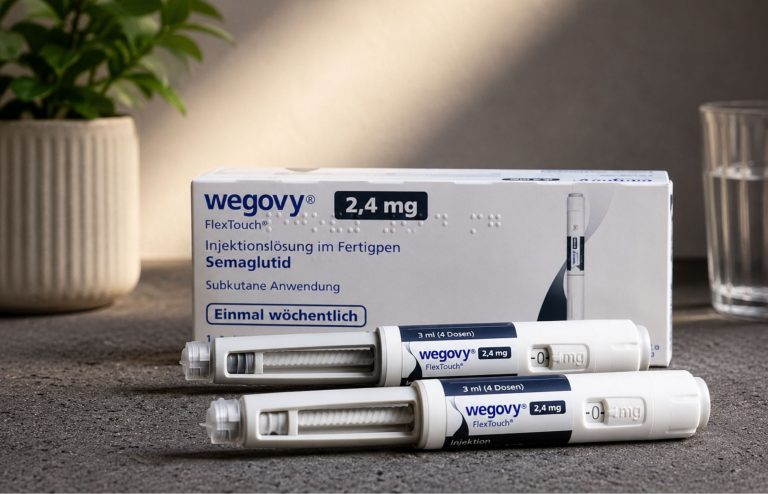
A retrospective review of 1,490 adult patients reveals a significant gap in metabolic care within dermatology. Researchers analyzed individuals with psoriasis and hidradenitis suppurativa treated between 2020 and 2024. Many of these patients met established clinical thresholds for glucagon-like peptide-1 receptor agonists. These criteria included specific body mass index levels, type 2 diabetes, and cardiovascular disease.
The findings show that 54.9% of psoriasis patients qualified for this therapy. Furthermore, 72.3% of those with hidradenitis suppurativa met the necessary eligibility requirements. Despite these high numbers, only 36.4% of eligible patients received documented medical counseling. Consequently, the majority of these individuals remain without access to these important treatments.
Data indicates that only 22.1% of eligible patients actually received a prescription. Most of these prescriptions originated from primary care physicians or endocrinologists. Dermatologists accounted for only 0.6% of the total prescriptions recorded. In light of this, a notable clinical shortfall exists within specialized skin care.
Notably, 18.0% of eligible patients lacked any primary care provider. This specific group faces significant barriers to essential metabolic management. Along with this, the study identified demographic disparities within the hidradenitis suppurativa cohort. These patients were frequently younger, female, and non-White individuals with public insurance.

Researchers noted that these medications remain underutilized as adjunctive therapeutic options. This trend is especially evident among patients with complex metabolic profiles. Given this, dermatologists occupy a unique position to identify high-risk candidates. They can initiate informed conversations about therapy during regular skin examinations.
This expanded role does not require dermatologists to prescribe these agents independently. Instead, it demands active participation in the referral and counseling pathway. Building on this, the medical community must recognize the systemic nature of these conditions. Effective management requires a proactive approach to patient identification and education.
Glucagon-like peptide-1 receptor agonists exert potent anti-inflammatory effects. These properties may offer additional benefits for immune-mediated skin conditions. Therefore, growing evidence supports their use beyond traditional metabolic indications. Integration into multidisciplinary care pathways warrants serious consideration by all clinical teams.
The study underscores a systemic failure to translate eligibility into clinical action. Targeted educational initiatives could reduce this gap for patients and providers alike. Moreover, clearer interdisciplinary referral protocols would streamline the transition to metabolic care. Dermatologists represent an underutilized resource in addressing these frequent comorbidities.