Do Weight-Loss Drugs Treat Sugar Addiction?

Clinicians are increasingly seeing patients who report an ongoing focus on sugar. These individuals often struggle to limit their intake despite wanting to cut back. This behavior resembles substance use disorders and is often called sugar addiction. Consequently, the introduction of glucagon-like peptide-1 receptor agonists has sparked significant interest in clinical settings.
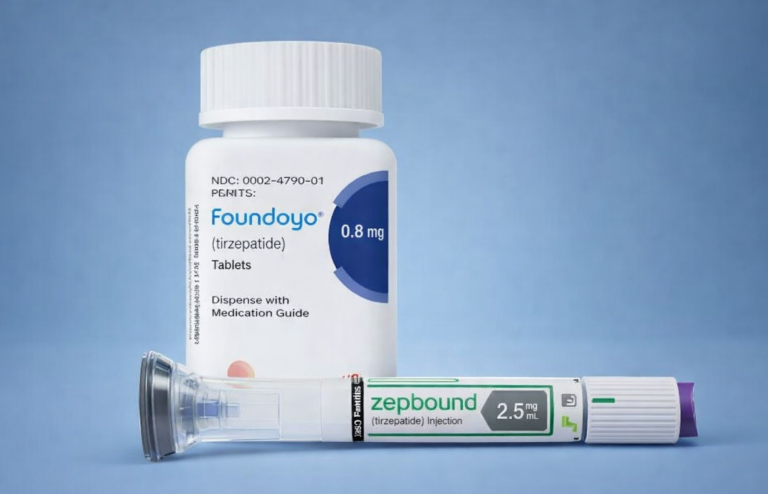
These medications include semaglutide and tirzepatide. Researchers seek to understand whether these drugs target the brain’s urges for sugar. This involves exploring how food-related reward systems get disrupted. Clinicians also need to consider how GLP-1 therapy affects these specific mechanisms.
Defining Sugar Addiction through Obsession and Compulsion
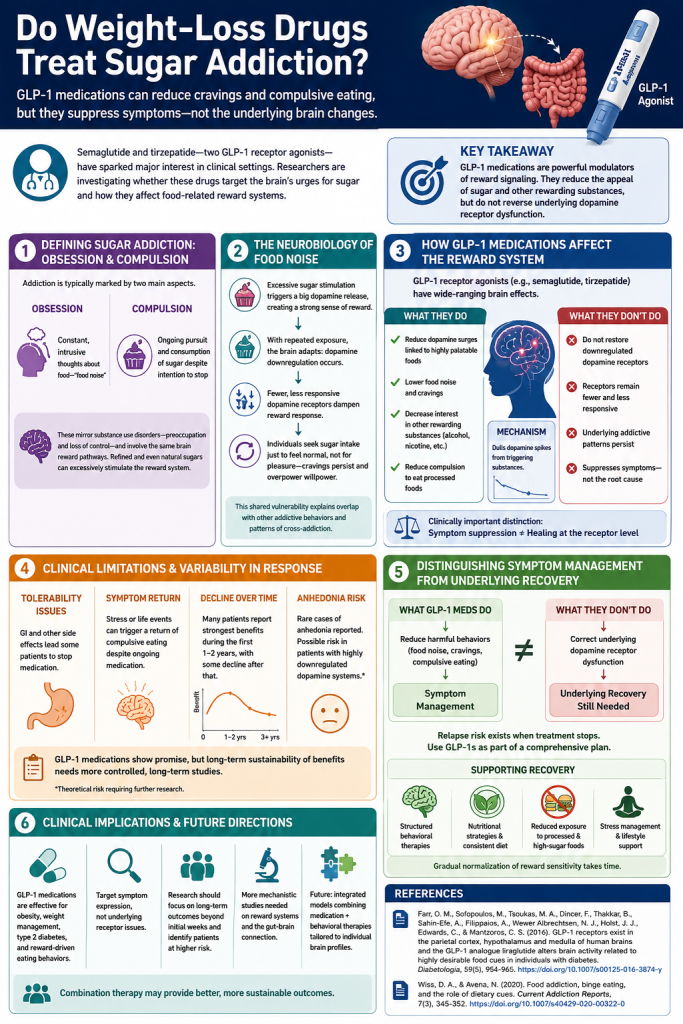
Addiction is typically marked by two main aspects: obsession and compulsion. In terms of sugar addiction, obsession shows up as constant and intrusive thoughts about food. Patients often refer to this experience as food noise. Compulsion refers to the ongoing pursuit and consumption of sugar, even when there is a clear intention to stop.
As a result, noticing a decrease in symptoms is a key sign that treatment is addressing the addiction. Clinicians look for less food noise and fewer compulsive eating episodes to assess progress. This method mirrors the diagnostic criteria used for substance use disorders, which also focus on preoccupation and loss of control.
The overlap goes beyond symptoms to common brain pathways. Understanding these pathways is crucial when assessing any treatment aimed at sugar-related urges. Refined sugar can excessively stimulate the brain’s reward system. Even naturally occurring sugars, like honey, can trigger this overstimulation.
The Neurobiology of Food Noise
This excessive stimulation leads to a significant release of dopamine. This surge creates a strong sense of reward in the brain. However, with repeated exposure, the brain adapts through a process called dopamine downregulation. Over time, dopamine receptors become fewer and less responsive.
This adaptation dampens the reward response to future stimuli. Individuals affected by this change often seek repeated sugar intake just to feel normal, rather than truly enjoying it. This mechanism explains why cravings linked to sugar addiction can persist.
Moreover, these cravings can easily overpower willpower alone. This situation highlights the frequent overlap between sugar addiction and other addictive behaviors. A downregulated reward system seeks dopamine stimulation from any available source. Due to this shared vulnerability, patterns of cross-addiction can be expected.
How GLP-1 Medications Affect the Reward System
Research shows that GLP-1 receptor agonists have wide-ranging effects on the brain. They influence not just appetite but also how the brain processes rewards. Instead of restoring normal dopamine receptor function, these medications seem to reduce specific dopamine surges. They specifically target surges linked to highly appealing foods.
This difference has important clinical implications. It implies that while symptoms may be suppressed, the underlying issues are not fully resolved. In practice, patients on GLP-1 treatment often report less food noise, fewer cravings, and decreased interest in other rewarding substances.
These substances can include alcohol and nicotine. Since the appeal of processed foods is reduced by these medications, the compulsion to eat them also decreases. Indeed, GLP-1 agonists appear to dull the dopamine spikes themselves. As a result, the perceived need for these triggering substances goes down.
However, this mechanism does not restore the downregulated dopamine receptors. Those receptors continue to drive the original addictive patterns. This difference between symptom suppression and healing at the receptor level is a crucial point for clinicians. They should see these drugs as modulators of reward signaling.
Clinical Limitations and Variability in Treatment Response
Doctors should not treat these medications as cures for receptor dysfunction. This view impacts expectations about how long the treatment effects will last. While GLP-1 medications show promise in modulating rewards, several key limitations influence their clinical use. For instance, some patients cannot tolerate these drugs.
Gastrointestinal or other side effects often lead to stopping the medication. Additionally, some individuals who initially respond well may later experience a return of symptoms, especially during stressful times. Compulsive eating can resurface despite ongoing medication use.
Long-term patient reports suggest a pattern in how the treatment works over time. Many individuals describe an initial improvement during the first two years. The benefits related to rewards tend to be strongest during this period. After that, some patients note a decline in effectiveness.
This decline raises questions about how sustainable the benefits are, calling for further controlled studies. Anhedonia is another important consideration for clinicians. This condition involves a widespread inability to feel pleasure. Although large trials usually show mood improvements, there have been isolated cases of anhedonia.
Distinguishing Symptom Management from Underlying Recovery
One possible reason for this involves baseline dopamine issues. Patients who start treatment with highly downregulated dopamine receptors may be especially at risk. This risk increases if the medication lessens dopamine spikes without fixing the underlying receptor problems. This idea is still theoretical and needs more focused research.
The existing evidence indicates that GLP-1 receptor agonists can effectively reduce harmful behaviors. However, they do not correct the neurobiological issues beneath those behaviors. This distinction is clinically important. How symptoms are managed and how underlying issues are resolved may influence how long treatment lasts.
These differences also affect the risk of relapse when treatment stops. Both patients and clinicians should see these medications as one part of a broader management strategy. They are not a standalone solution. Comprehensive approaches that address receptor dysfunction may involve structured behavioral therapies.
Nutritional changes can also support the gradual normalization of reward sensitivity. These approaches often stress the importance of a consistent diet and reducing exposure to processed foods over time. More research is needed to determine the effectiveness of combining these methods.
Clinical Implications and Future Directions
Going forward, scientists need to find out whether combination therapy leads to better long-term results. Current evidence suggests GLP-1 medications can effectively reduce behavior-related symptoms. These agents have shown strong success in treating obesity, weight issues, and type 2 diabetes. Emerging data also highlight potential benefits for reward-driven eating behaviors.
However, clinicians must understand that these medications target symptom expression rather than resolving underlying receptor issues. Future studies should focus on long-term outcomes related to rewards. These should look beyond the initial weeks to assess how benefits last. More mechanistic research is also needed to identify patients at higher risk.
This understanding will enable more personalized treatment choices. As research on the gut-brain connection expands, treatment strategies may change. Approaches to sugar addiction will likely move toward integrated models that combine both medication and behavioral therapies tailored to individual brain profiles.
References
Farr, O. M., Sofopoulos, M., Tsoukas, M. A., Dincer, F., Thakkar, B., Sahin-Efe, A., Filippaios, A., Wewer Albrechtsen, N. J., Holst, J. J., Edwards, C., & Mantzoros, C. S. (2016). GLP-1 receptors exist in the parietal cortex, hypothalamus and medulla of human brains and the GLP-1 analogue liraglutide alters brain activity related to highly desirable food cues in individuals with diabetes. Diabetologia, 59(5), 954-965. https://doi.org/10.1007/s00125-016-3874-y
Wiss, D. A., & Avena, N. (2020). Food addiction, binge eating, and the role of dietary cues. Current Addiction Reports, 7(3), 345-352. https://doi.org/10.1007/s40429-020-00322-0