Do GLP-1 Pills Cause Muscle Loss?

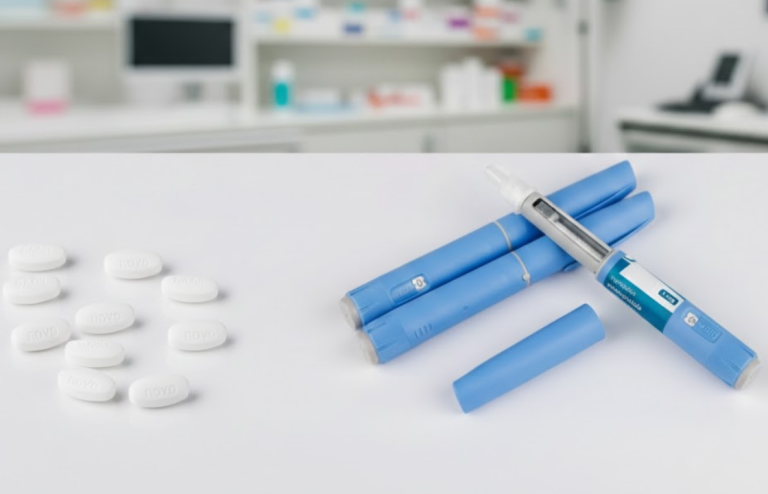
Starting a weight loss journey with GLP-1 pills represents a major step toward better health. For years, these powerful treatments required weekly injections, but the new pill versions offer a much simpler routine. However, as the numbers on the scale drop, a new question often arises for patients. You might wonder if you are losing actual fat or the hard-earned muscle that keeps you strong. Understanding how these medications affect your body composition is the best way to protect your long-term vitality.
The good news is that these pills are highly effective in helping you achieve a healthier weight. They work by mimicking natural hormones that regulate hunger and maintain stable blood sugar levels. Nevertheless, rapid weight loss always carries a small risk of shedding lean tissue along with body fat. To be precise, your body does not always distinguish between the two when calories drop quickly. This guide explains how to keep your muscles healthy while the medication does its work.
Mechanisms of GLP-1-mediated weight reduction
Think of your GLP-1 pill as a helpful guide for your metabolism and appetite. It works primarily by sending signals to your brain that tell you to feel full sooner. Along with this, it gently slows down your digestion so that a meal stays with you longer. Consequently, most people naturally eat about 20% to 30% less than they did before starting treatment. This steady reduction in calories is the primary engine behind the weight loss you see.
The weight loss results from these pills often exceed what people achieve through diet alone. Clinical trials show that many patients lose between 15% and 20% of their total body weight. Moreover, the oral versions of these drugs deliver results that match the traditional injectable options. This makes them a very powerful tool for managing chronic health conditions related to weight. Therefore, it is important to look closely at what kind of tissue the body is burning.
When you lose weight very quickly, your body often taps into its muscle stores for energy. The balance between fat loss and muscle loss depends on your protein intake and activity. Furthermore, a very fast rate of weight loss can sometimes trigger more muscle breakdown than usual. Since GLP-1 pills work so effectively, they can sometimes cause weight to drop faster than the body can adapt. In light of this, being mindful of your muscle health becomes a top priority.
Evidence of lean mass reduction during GLP-1 therapy
| Clinical Trial | Medication and Duration | Total Body Weight Change | Proportion of Lean Mass Loss |
| STEP 1 | Semaglutide (2.4 mg) 68 Weeks | −14.9% | ~34% to 40% |
| SUSTAIN 8 | Semaglutide (1.0 mg) 52 Weeks | −6.0% | ~43% |
| SURMOUNT-1 | Tirzepatide (5/10/15 mg) 72 Weeks | −21.3% | ~25% |
| Meta Analysis | Various GLP-1s Average | −8.1 kg (absolute) | ~31% |
Several recent clinical studies have looked specifically at how these medications affect muscle mass. Research suggests that a portion of the weight lost on these pills comes from lean tissue. To be precise, muscle might account for 25% to 40% of the total weight reduction. This is slightly higher than the 20% typically seen with standard dieting. Accordingly, patients using these pills should be extra careful to support their physical strength.
Advanced medical scans show that this loss can happen in both the arms and legs. While losing weight is great for your heart, losing muscle can sometimes make you feel weaker. In light of this, some people might notice they have less energy for daily physical tasks. Older adults need to be especially careful, as they already face a natural risk of muscle thinning. Building on this, maintaining your physical function is just as important as the number on the scale.
Scientists are still working to understand exactly why this muscle loss happens so readily. The main reason is likely the simple fact that people are eating much less protein. Additionally, when you lose weight fast, your muscles do not have to work as hard to move you. Some early evidence also suggests the medication might change how muscles process energy. Given this, focusing on specific lifestyle habits can help you stay balanced and strong.
Clinical implications of muscle loss during weight management
Keeping your muscle mass is vital for a healthy and active metabolism. Muscles are the primary place where your body processes sugar and uses energy. Therefore, losing too much muscle can actually make it harder to keep weight off later. People who lose significant lean tissue often find that their metabolism slows down over time. This makes it much easier for weight to creep back once the medication is stopped.
The impact of muscle loss also shows up in your daily physical movements. Stronger muscles mean better balance, more power, and a lower risk of accidental falls. These factors are especially critical for staying independent as you get older. Along with this, your healthcare team wants to ensure your heart and muscles stay in peak condition. In view of this, the goal is to lose the fat while keeping the strength.
We do not yet have a complete picture of how muscles recover after stopping these pills. Some early data suggest that people might regain their muscle slowly over many months. However, the speed of this recovery is different for everyone and is not guaranteed. Given this uncertainty, taking proactive steps during your treatment is the smartest move you can make. It is much easier to protect the muscle you have than to build it back later.
Strategies to mitigate muscle loss during GLP-1 treatment
Eating enough protein is the most important way to protect your muscles while losing weight. Experts generally recommend aiming for a higher protein goal each day to stay strong. This can be tricky because the pills make you feel very full and less interested in food. Nevertheless, making protein the star of every meal ensures your body has the building blocks it needs. Along with this, protein helps you feel satisfied and keeps your energy levels steady.
Strength training is the second half of the puzzle for keeping your muscles healthy. Lifting weights or using resistance bands tells your body that it needs to keep its muscles. Studies show that even a little bit of resistance work can stop muscle loss in its tracks. Consequently, adding a few simple strength sessions to your week is a very wise investment. Your exercise routine should start slow and grow as you feel more capable and confident.
Some specific supplements might also provide an extra boost for your muscle health. Certain amino acids can help trigger muscle growth and prevent the body from breaking down tissue. Similarly, simple supplements like creatine can help you maintain your strength during a calorie deficit. While these tools are helpful, they work best when combined with a solid diet and exercise plan. Therefore, always check with your doctor before adding new supplements to your daily routine.
Monitoring body composition during GLP-1 treatment
Checking your body composition regularly helps you stay on the right track during your journey. Simple tools like smart scales can give you a general idea of your muscle levels. While these are not perfect, they are great for spotting trends over several weeks or months. Measurements should be taken at the same time of day to keep the data consistent. This allows you to adjust your diet or exercise if you see muscle dropping.
Functional tests are another great way to see if your muscles are staying strong. A simple grip strength test can tell a doctor a lot about your overall health. Likewise, timing how fast you can walk or stand up from a chair provides valuable clues. These tests are quick to do and offer a real-world look at your physical ability. Consequently, you can feel confident that your weight loss is making you truly healthier.
Your nutritional habits should also be reviewed often to make sure you are getting enough fuel. Keeping a simple food diary can help you and your doctor see if protein is lacking. In view of this, a registered dietitian can offer personalized tips to help you eat better. This extra support makes it much easier to reach your goals without sacrificing your strength. Proactive care ensures that you feel your best throughout the entire weight loss process.
Future directions in body composition-focused GLP-1 therapy.
The next generation of weight loss drugs will likely focus on protecting muscle specifically. Scientists are testing new combinations that pair GLP-1 pills with muscle-building compounds. Preclinical studies show that this “dual approach” could lead to much higher quality weight loss. However, we are still waiting for more human trials to prove these are safe and effective. In light of this, the current focus remains on diet and exercise.
Personalized medicine will also play a larger role in how these medications are prescribed. In the future, a simple test might predict if you are at high risk for muscle loss. With this in mind, doctors could tailor your treatment plan from the very first day. This would allow for a much more precise approach to weight management and overall health. Such breakthroughs will make these treatments even more effective for a wider variety of people.
Improving patient education is something we can do right now to get better results. Many people do not realize that muscle health is just as important as fat loss. Healthcare systems are working to provide better guides and tools for people on these medications. Indeed, when you understand the “why” behind the rules, it is much easier to stay motivated. Informed patients are always the ones who see the best long-term success with their health.
Conclusion
GLP-1 pills are a game-changer for weight loss, but they require a focus on muscle health. Current evidence shows that a significant portion of weight lost can come from lean tissue. This change can impact your metabolism and your physical strength if it is not managed well. Fortunately, you can protect yourself by eating plenty of protein and staying active with resistance exercise. These simple habits ensure that your weight loss journey leads to a stronger version of you.
Regularly checking your body composition and physical strength will keep you moving in the right direction. These assessments provide the information needed to make smart changes to your daily routine. As these pills become more common, focusing on muscle preservation will become a standard part of care. Future treatments will likely make it even easier to lose fat while staying powerful and fit. By staying mindful today, you can enjoy all the benefits of a healthier weight.
References
Ida, S., Kaneko, R., & Murata, K. (2024). Effects of glucagon-like peptide-1 receptor agonists on body composition in patients with type 2 diabetes: A systematic review and meta-analysis. Diabetes Research and Clinical Practice, 208, 111087. https://www.sciencedirect.com/science/article/abs/pii/S002604952400341X
Miyamoto, L., Takatori, K., Takahashi, Y., Kuroda, T., & Toy, A. (2023). Skeletal muscle loss during GLP-1 receptor agonist treatment: A comprehensive review of mechanisms and mitigation strategies. Journal of Diabetes Investigation, 14(12), 1305-1318. https://onlinelibrary.wiley.com/doi/10.1111/jdi.14068
Rubino, D. M., Greenway, F. L., Khalid, U., O’Neil, P. M., Rosenstock, J., Sørrig, R., Wadden, T. A., Wizert, A., & Garvey, W. T. (2022). Effect of weekly subcutaneous semaglutide vs daily liraglutide on body weight in adults with overweight or obesity without diabetes. Journal of the American Medical Association, 327(2), 138-150. https://jamanetwork.com/journals/jama/fullarticle/2787907