Oral vs Injectable Bioavailability

Choosing a new medication is a massive step toward taking back control of your health and your future. For a long time, many powerful treatments meant getting comfortable with the idea of weekly injections. To be precise, the recent arrival of pill versions has made daily life much simpler for many individuals. However, understanding how these different forms enter your system is the best way to stay safe and healthy. This guide explores the complex world of drug absorption to help you make informed choices with your medical team.
Defining Bioavailability in the Real World
Bioavailability measures the specific amount of a drug that successfully reaches your bloodstream in its active form. This concept applies to every way we take medicine, though an intravenous injection achieves absolute bioavailability by default. Along with this, oral and injectable preparations face unique physical barriers that change how much medicine actually works. These distinct differences guide the essential choices made when managing both sudden illnesses and long-term health issues.
The portion of a dose reaching the blood depends on absorption efficiency and liver processing. Injectable routes bypass the stomach to provide very predictable levels of medication in the body. Conversely, oral medications encounter harsh enzymes and liver extraction before they ever reach the general circulation. Therefore, identical doses given through different routes often produce markedly different results for the patient.
Why the Stomach is a Tough Barrier
Oral medications must survive a harsh journey through the digestive tract before any absorption can happen. Gastric acid often breaks down proteins and degrades many fragile chemical structures. Furthermore, intestinal enzymes metabolize various compounds during the critical phase of entering the body. Given this, peptide based medications traditionally required shots to remain effective and stable for the patient.
The first pass effect in the liver is a major hurdle for most pills. Blood flow sends absorbed medications directly to the liver for immediate processing. Specific enzymes metabolize large portions of the drug before it can reach the rest of the body. Accordingly, drugs with a heavy first pass effect require much higher oral doses than their injectable counterparts.Stomach physiology adds another layer of complexity to how we absorb our medicine. Eating a meal changes acidity, how fast things move through the gut, and blood flow. Likewise, various digestive diseases can modify the available space for absorption and enzyme activity. These factors create unique differences in drug exposure for every patient, which makes finding the perfect dose difficult.
The Reliable Path of Injectable Delivery
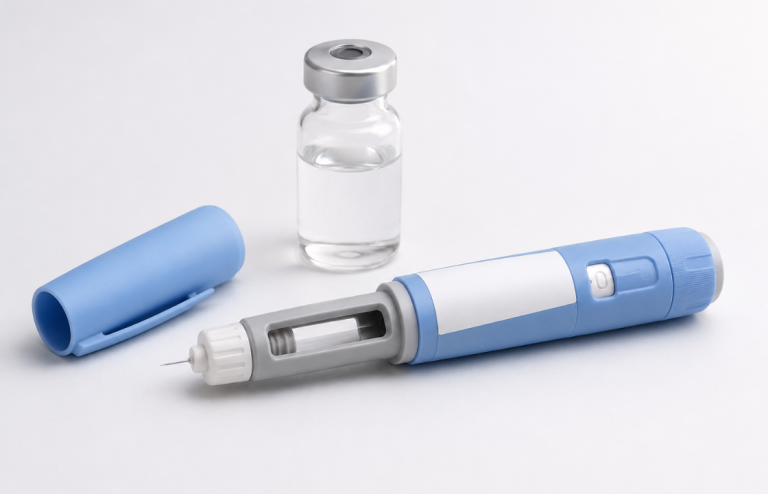
Injectable options bypass the gut to offer much more predictable profiles for the patient’s body. An intravenous line reaches full bioavailability immediately by delivering the medication directly into the bloodstream. Subcutaneous and intramuscular shots require absorption through tissue but still avoid the liver’s initial processing. Consequently, these approaches provide reliable drug exposure with far less variation between different people.
Subcutaneous shots rely on the drug moving from the injection site into tiny blood or lymph vessels. Absorption rates depend on local blood flow and the specific makeup of the tissue. Larger molecules usually travel through the lymphatic system, while smaller ones enter the blood directly. This route is ideal for medications that need to be released slowly and steadily over time.
Intramuscular injections deliver medication into muscle tissue to facilitate rapid absorption. Blood flow in the muscle typically exceeds that in the fatty tissue just under the skin. Nevertheless, the risk of soreness and patient discomfort can sometimes limit how often this route is used. Building on this, many pharmaceutical companies now favor subcutaneous designs for managing chronic diseases.
A Closer Look at Diabetes Treatment
Managing Type 2 diabetes provides a clear example of how bioavailability influences our treatment choices. Common GLP-1 medications have almost no bioavailability when taken as a standard pill. Gastrointestinal enzymes quickly destroy these molecules, which prevents any useful absorption into the system. Therefore, the way these drugs are made differs greatly between the pill and the shot.
The injectable version provides predictable levels of medicine through a simple weekly shot. This method ensures the drug stays active to help patients manage their blood sugar effectively. In contrast, the oral version must use special helpers to get past the stomach’s natural defenses. The pill includes a specific ingredient to help the medicine move through the stomach lining before it is destroyed.
The dosing differences between these two methods highlight the massive gap in how the body absorbs them. The pill requires a milligram level dose every single day to work effectively. The injectable version uses much smaller microgram amounts just once a week to get the same results. Nevertheless, both methods can achieve great health outcomes when the doctor picks the right dose.
Treating Obesity and Choosing the Right Route
Weight management drugs also show very different absorption profiles depending on how they are used. Most newer medications for obesity currently rely on an injectable delivery system. These shots ensure the patient gets a consistent dose that the body can actually use. Similarly, some newer medications combine two different active ingredients into one weekly shot for a bigger impact.
The injectable route offers several key advantages for someone treating chronic obesity. Constant drug levels in the blood help keep hunger in check throughout the entire week. Furthermore, bypassing the liver’s initial processing allows for lower doses and potentially fewer side effects. Patient habits also play a role, as a weekly shot is often more convenient than a daily pill.
Pills for weight management face very specific and difficult absorption challenges. Variable absorption makes it hard to find the perfect dose for every individual’s unique body. Additionally, the presence of food often requires patients to follow very strict timing for their daily dose. These hurdles explain why many of the newest obesity treatments are developed as shots first.
Modern Strategies to Improve Pills
Scientists use several clever techniques to improve how the body absorbs oral drugs. Certain enhancers can temporarily change the permeability of the gut to help drugs pass through. These compounds modify the junctions between cells or the fluidity of the cell membranes. Consequently, molecules that normally would not be absorbed can reach helpful levels in the patient’s blood.
Special coatings protect sensitive compounds from being destroyed by stomach acid. These shells only dissolve once they reach the safer environment of the small intestine. This strategy keeps the drug intact during its journey through the stomach to increase the amount absorbed. Indeed, these preparations often show much better results than standard immediate release pills.
Some drugs are designed as prodrugs, which means they only become active after they are absorbed. These versions can cross the intestinal lining much more easily than the original medication. Once inside the body, natural enzymes release the active medicine so it can start its work. This approach helps overcome the physical limits that often stop pills from working.
Why Every Patient Responds Differently
Every person’s body is a bit different, which leads to variation in how we absorb medicine. Genetic differences in liver enzymes can change how fast a drug is processed. Some patients might get more medicine from a pill simply because of their DNA. Conversely, people who process drugs very quickly might not get enough from a standard dose.
Age related changes in the body also modify how we handle medicine. Older adults often produce less stomach acid and have different patterns of gut movement. Their liver blood flow also tends to decrease as the years go by. In light of this, doctors must be extra careful when checking drug levels in older patients.
Existing health conditions can further complicate how we predict drug levels. Liver issues can lead to higher drug levels from a pill because the liver is not processing it as usual. Digestive disorders also change how much space is available for absorption in the gut. Accordingly, clinicians must consider all these variables when choosing a route and a dose.
Practical and Economic Realities
The cost difference between pills and shots often determines if a patient can actually get the treatment. Injectable drugs are usually more expensive to make and store because they are more complex. Nevertheless, because they are absorbed better, a patient might need a smaller total amount. Healthcare systems have to weigh these costs against the actual health benefits for the person.
What a patient prefers can determine whether they actually stick to their treatment plan. Some people do not mind shots, while others have a very real and stressful fear of needles. Oral medications offer a sense of independence and are generally easier to manage at home. Thus, the choice of route should be a conversation between the doctor and the patient.
Logistical needs also differ greatly between the two methods of taking medicine. Many shots need to be kept cold and might require a professional to give them. These requirements can be a major barrier in parts of the world with fewer medical resources. In response to this, oral versions are a huge advantage where medical infrastructure is still developing.
The Future of Drug Delivery
New technologies are constantly being developed to make pills possible for more types of medicine. Tiny particles can protect sensitive drugs from enzymes while helping them pass through membranes. These systems are showing a lot of promise in recent lab studies and early trials. Moreover, new delivery methods might help target specific parts of the body to reduce side effects.
Delivery through the lining of the mouth is another exciting alternative to traditional pills or shots. Using the cheek or the area under the tongue bypasses the liver’s initial processing. These methods are great for drugs that need to work fast or those the liver would normally destroy. Given this, researchers are spending more time exploring these in between routes.
Personalized medicine may soon allow us to pick the best dose based on a person’s genetic profile. Tests can identify exactly how an individual’s body will handle a specific medication. Doctors can then choose the perfect route or dose based on that person’s unique biological makeup. This precision approach promises better results with far fewer unwanted side effects for everyone.
Conclusion
The differences in bioavailability between pills and shots are a cornerstone of modern healthcare. Injectable forms provide very steady and predictable drug levels, especially for complex medications. Oral medications are much more convenient for daily life but face many physical hurdles. Understanding these basic principles helps clinicians choose the right path and the right dose for every patient.
References
Buckley, S. T., Bækdal, T. A., Vegge, A., Maarbjerg, S. J., Pyke, C., Ahnfelt-Rønne, J., Madsen, K. G., Schéele, S. G., Alanentalo, T., Kirk, R. K., Streett, B. L., Jelsing, J., Fuglsang, J., Pedersen, P. J., Resende, M. M., Hartoft-Nielsen, M., Bossart, M., Pihl, S., Stidsen, C. E., & Fledelius, C. (2018). Transcellular stomach absorption of a derivatized glucagon-like peptide-1 receptor agonist. Science Translational Medicine, 10(467), eaar7047. https://doi.org/10.1126/scitranslmed.aar7047
Hess, S., & Langer, R. (2020). Challenges and opportunities in oral drug delivery for biologics. Advanced Drug Delivery Reviews, 167, 125-135. https://doi.org/10.1016/j.addr.2020.06.024
Wilding, J. P. H., Batterham, R. L., Calanna, S., Davies, M., Van Gaal, L. F., Lingvay, I., McGowan, B. M., Rosenstock, J., Tran, M. T. D., Wadden, T. A., Wharton, S., Yokote, K., Zeuthen, N., & Kushner, R. F. (2021). Once-weekly semaglutide in adults with overweight or obesity. New England Journal of Medicine, 384(11), 989-1002. https://doi.org/10.1056/NEJMoa2032183