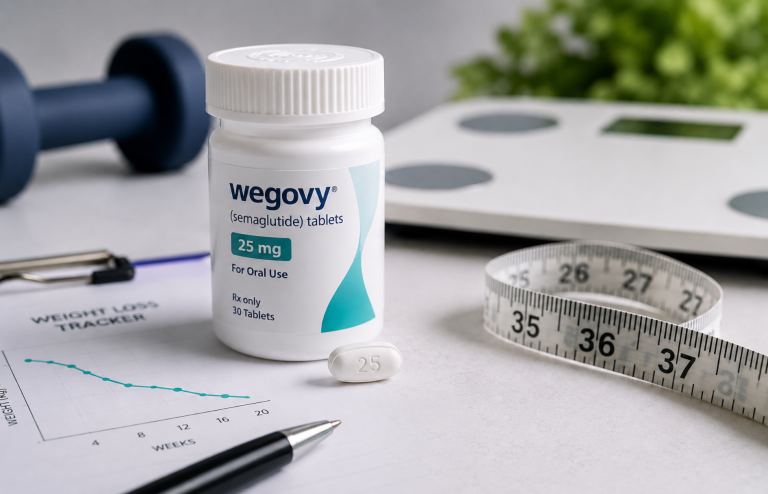
Comparative Analysis of Oral GLP-1 Receptor Agonists and Subcutaneous Wegovy: Clinical and Economic Considerations
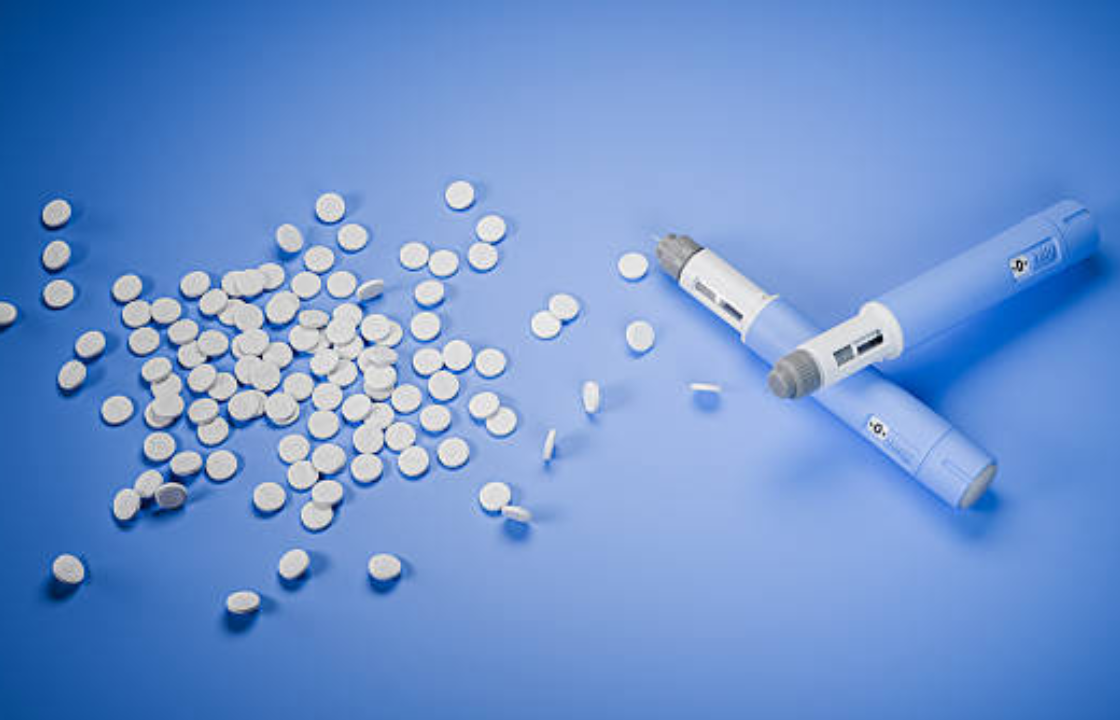
GLP-1 receptor agonists mark an important progress in the field of metabolic medicine. These agents imitate natural incretin hormones to boost insulin secretion that is dependent on glucose. In addition, they inhibit the secretion of glucagon and postpone gastric emptying. As a result, the use of these drugs for treating chronic illnesses is on the rise among clinicians. These therapies are mainly used by patients for obesity and Type 2 diabetes.
Traditional delivery methods depend on weekly administered subcutaneous injections. Recent advancements in the pharmaceutical field have led to the development of oral formulations, enhancing patient accessibility. On this basis, the medical community assesses the comparative advantages of oral and injectable routes.
Wegovy is a top injectable choice for managing chronic weight issues. Oral semaglutide offers a non-invasive alternative for individuals seeking similar metabolic benefits. This analysis examines the clinical efficacy and economic impact of both modalities. Therefore, this article provides data-driven insights for healthcare professionals.
Pharmacological Mechanisms and Delivery Systems
Molecular Structure and Pharmacokinetics of Semaglutide
Semaglutide functions as a long-acting analogue of the human GLP-1 hormone. Scientists modified the peptide chain to resist degradation by enzymes. This modification extends the half-life of the drug significantly. Indeed, this structural stability allows for once-weekly or once-daily administration.
The molecule targets specific receptors in the pancreas and the central nervous system. Activation of hypothalamic receptors promotes satiety and reduces caloric intake. Simultaneously, delayed gastric emptying regulates postprandial glucose fluctuations. Notably, these dual actions facilitate effective and sustainable Weight management.
Peptide medications traditionally require injection to avoid gastrointestinal breakdown. Gastric acid and proteolytic enzymes rapidly degrade most protein-based drugs. Clinicians must understand how specific formulations overcome these biological barriers. In view of this, molecular engineering plays a critical role in drug delivery.

The Innovation of Oral Peptide Delivery Technology
Oral semaglutide utilizes an absorption enhancer known as SNAC. This component facilitates the transport of the peptide across the gastric epithelium. SNAC locally increases the pH level within the stomach. As a result, it protects the medication from acidic degradation.
Bioavailability remains low even with these technological advancements. Patients must follow strict administration protocols to ensure therapeutic efficacy. They must ingest the tablet on an empty stomach with minimal water. Given this, correct usage is essential for achieving optimal metabolic outcomes.
Inconsistent administration significantly reduces the absorption rate of the drug. Clinical research suggests that variations in water volume affect gastric transit times. Patients should wait at least thirty minutes before consuming food or other medications. Building on this, education remains a priority for prescribing physicians.
Clinical Efficacy in Obesity and Weight Management
Therapeutic Outcomes of Subcutaneous Wegovy
The STEP clinical trial program offers extensive data on subcutaneous semaglutide. Significant weight loss was observed in participants receiving weekly doses of 2.4 mg, according to researchers. A 15 percent reduction in total body weight was accomplished by numerous individuals. Based on these strong results, the FDA approved Wegovy.
Participants also demonstrated improvements in cardiovascular risk factors. Systolic blood pressure and lipid profiles showed measurable declines during the trials. These secondary benefits extend beyond mere fat mass reduction. Therefore, the medication offers a holistic approach to metabolic health.
Weight reduction remains durable with continued treatment over 68 weeks. Data indicates that patients maintain their progress through pharmacological intervention. Discontinuation often leads to the gradual recovery of lost weight. In light of this, long-term therapy is frequently necessary for sustained success.
Performance Benchmarks of Oral GLP-1 Formulations
Recent research assesses how effective high-dose oral semaglutide is for obesity. The OASIS 1 trial examined a daily oral dosage of 50 mg. The results indicated that the average weight loss was similar to that of the subcutaneous format. As a result, oral delivery is emerging as a practical clinical option.
Clinicians observe that the 50 mg dosage surpasses typical diabetes dosages. The majority of oral medications for Type 2 diabetes utilize dosages of 7 mg or 14 mg. To bring about a notable reduction in adiposity, it is necessary to use higher concentrations. As a result, the dosing requirements differ depending on the main therapeutic aim.
Oral formulations provide flexibility for patients who avoid injections. Efficacy levels appear consistent across different demographic groups in trials. Furthermore, the metabolic response mirrors that of the injectable route. Meanwhile, researchers continue to refine delivery systems for higher efficiency.
Safety Profiles and Gastrointestinal Tolerability
Common Adverse Events and Titration Strategies
Gastrointestinal symptoms are the most common side effects associated with GLP-1 RAs. Nausea, vomiting, and diarrhea are frequently reported by patients during the early stages of treatment. These phenomena usually depend on the dosage and are temporary. If not handled, they can nevertheless affect the persistence of patients.
Physicians employ a gradual titration schedule to improve tolerability. Starting with low doses allows the digestive system to adapt. Clinicians increase the dosage every four weeks based on patient response. Hence, careful monitoring reduces the incidence of severe acute symptoms.
Oral and injectable formats share similar adverse event profiles. Some data suggest higher nausea rates with daily oral ingestion. This may result from local gastric irritation by the absorption enhancer. Building on this, proper administration timing helps mitigate these issues.
Long-term Safety Considerations and Contraindications
Although serious adverse events such as pancreatitis are infrequent, they hold considerable importance. Patients should inform their healthcare providers without delay if they experience severe abdominal pain. Biliary conditions like gallstones are also more common in this demographic. Consequently, it is essential for clinicians to carry out comprehensive baseline risk evaluations.
The FDA mandates that thyroid C-cell tumors include a boxed warning. All GLP-1 receptor agonists are subject to this warning. People who have previously suffered from medullary thyroid carcinoma should refrain from using these medications. Also, individuals diagnosed with Multiple Endocrine Neoplasia syndrome type 2 are not eligible.
Economic Analysis and Wholesale Acquisition Costs
Comparative Pricing and Financial Accessibility
Wegovy has a wholesale acquisition cost of about $1,349 USD per month. This cost takes into account the complicated production of the patented injection device. Without comprehensive insurance coverage, many patients find this cost prohibitive. Manufacturers have responded to this by providing a range of savings programs. Formulations of semaglutide for oral administration generally have a lower list price.
The cost of standard doses for metabolic health ranges from $900 to $1,000 USD. Due to the price difference, the oral route becomes appealing for patients who pay for themselves. Nevertheless, dosages for losing weight that are higher than usual may change this pricing structure.

Insurance Coverage and Long-term Value Propositions
Insurance policies often distinguish between diabetes and weight management. Plans frequently cover treatments for Type 2 diabetes like Ozempic. Conversely, many commercial plans exclude coverage for chronic weight management. Given this, patients must verify their specific benefits before starting.
The clinical value of these drugs involves long-term cost savings. Reducing adiposity lowers the risk of developing expensive comorbid conditions. Successful therapy may prevent costly hospitalizations and surgeries. Building on this, some insurers are expanding their metabolic coverage.
The cost-per-percentage of weight loss is a useful metric. Subcutaneous Wegovy often provides more weight reduction per dollar spent. Oral options provide value through increased convenience and lower equipment costs. Notably, the choice depends on individual clinical and financial needs.
Conclusion
Both injectable and oral GLP-1 RAs provide excellent clinical results. Wegovy remains a potent tool for achieving substantial Weight loss. Oral semaglutide offers a comparable and non-invasive alternative for many. In view of this, both options have a place in medicine.
Price differences often diminish when accounting for insurance rebates. The choice of therapy should focus on patient adherence. Successful treatment requires consistent administration over an extended period. Accordingly, physicians should tailor the modality to the patient.
Scientists are currently developing next-generation oral GLP-1 agonists. These new molecules may not require strict fasting protocols. Improving bioavailability will likely lead to lower manufacturing costs. Furthermore, this progress will increase global access to these life-changing drugs.
References
Knop, F. K., Aroda, V. R., Do Vale, R. D., Holst-Christensen, L., Idorn, T., Lindegaard, M. L., Vale, R. D., & Lingvay, I. (2023). Oral semaglutide 50 mg once daily in adults with overweight or obesity (OASIS 1): a randomised, double-blind, placebo-controlled, phase 3 trial. The Lancet, 402(10403), 705–719. https://doi.org/10.1016/S0140-6736(23)01185-6
Blundell, J., Finlayson, G., Axelsen, M., Flint, A., Gibbons, C., Kvist, T., & Hjerpsted, J. B. (2017). Effects of once-weekly semaglutide on appetite, energy intake, control of eating, and food preference in subjects with obesity. Diabetes, Obesity and Metabolism, 19(9), 1242–1251. https://doi.org/10.1111/dom.12932
Jensen, C. B., & Svendsen, C. B. (2020). A 52-week randomized clinical trial of semaglutide in overweight and obese individuals with type 2 diabetes: Safety and efficacy results. Journal of Diabetes and its Complications, 34(6), 107646. https://doi.org/10.1016/j.jdiacomp.2020.107646