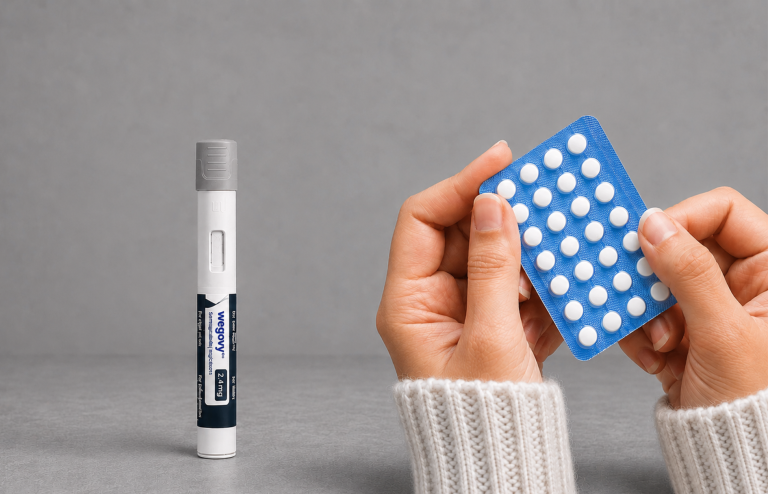
First Dual GLP-1/GIP Receptor Agonist for Type 1 Diabetes Demonstrates Glycemic and Weight Benefits in Phase 2 Trial
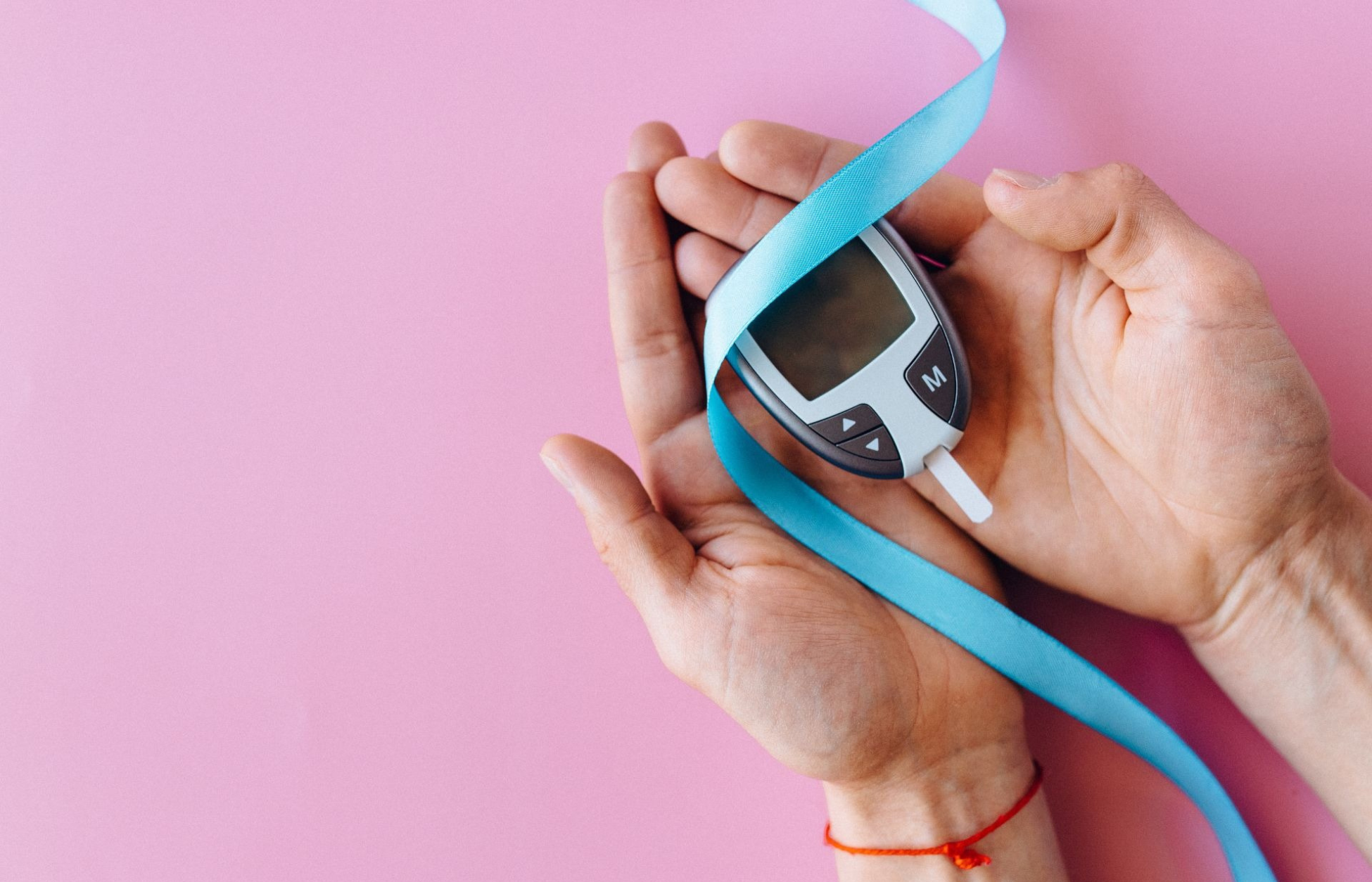
Doctors recently tested a new once-daily shot called acmopatide in a phase 2 medical study with adults who have type 1 diabetes. This clinical trial brought positive changes by lowering blood sugar levels, reducing body weight, and dropping daily insulin needs. Researchers shared these exciting updates at a major diabetes conference earlier this year. This is a big deal because it is the very first time this specific kind of gut-hormone medicine has been made just for type 1 diabetes.
Right now, over one million people live with type 1 diabetes, and more than half of them also deal with extra body weight or obesity. Taking insulin is absolutely necessary for these patients to manage their blood sugar every single day. However, using insulin naturally causes the body to store fat, which often leads to steady weight gain over the years. Because of this weight gain, patients face a much higher risk of developing serious heart and kidney problems.
This new medicine works by copying two natural hormones in the body that help manage digestion and metabolism. Doctors already use these types of drugs to treat type 2 diabetes by lowering blood sugar and curbing appetite. Until now, nobody really knew if these medicines would actually be safe or effective for type 1 diabetes. Acmopatide is the first drug of its kind created to help this specific group of patients.
The study included 111 adults with type 1 diabetes who also had a body mass index of 27 or higher. Patients received either a placebo shot or one of three different doses of the active medicine. The main goal of the 16-week study was to see how much each patient’s average blood sugar changed. Along with that, researchers tracked changes in body weight, daily insulin amounts, and continuous blood sugar sensor numbers.
In the middle-dose group, the average patient age was 41 years old, and their starting blood sugar levels were elevated. Taking the medicine successfully brought down their average blood sugar markers after several weeks. In fact, over half of the patients in this specific group reached their healthy target goals. These encouraging numbers show that the medicine provides a real, practical benefit for daily blood sugar management.
The medicine also helped patients lose up to 7 percent of their body weight depending on their dose. On top of that, it allowed patients to cut down their daily insulin doses by up to 15 percent. The treatment was very easy for patients to tolerate, and the study found no major safety issues or dangerous side effects. These double benefits are wonderful news because carrying extra weight and taking high doses of insulin usually increase health risks.
The lead doctor on the study explained that people with type 1 diabetes have had very few treatment options besides insulin for decades. These new findings show that the drug could truly open up helpful new paths for patient care. However, scientists still need to do more research to check on long-term safety and find the perfect dosages. The medical company has not announced its plans for the next final phase of testing just yet.