GLP-1 Weight-Loss Drugs for Psoriasis: What the Research Really Says

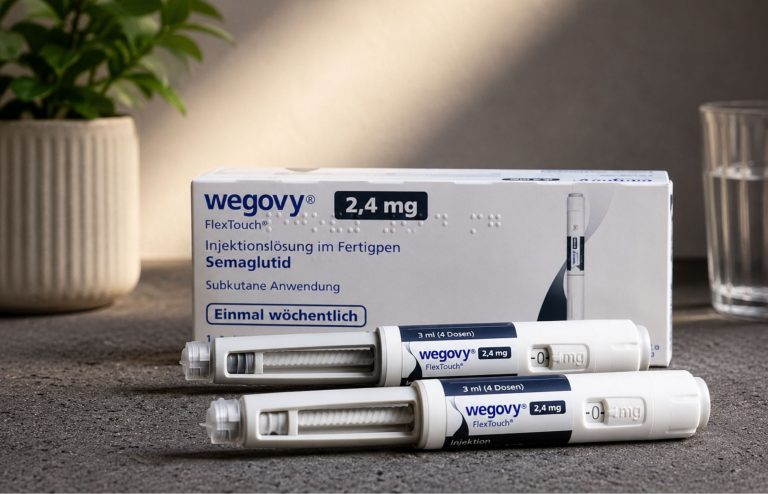
Scientists are looking into whether popular GLP-1 drugs originally designed for type 2 diabetes and weight loss might also help treat psoriasis. Skin experts are cautiously optimistic about how these medications may affect psoriasis. Doctors already prescribe them to treat conditions such as sleep apnea and fatty liver disease. Researchers are now studying whether they can also improve psoriasis symptoms.
For years, doctors have noticed a strong connection between psoriasis and body weight. People with excess weight are more likely to develop psoriasis. Their flare-ups may also be more severe and difficult to manage.
GLP-1 drugs can support weight loss and help reduce inflammation in the body. Because of these effects, researchers are exploring whether these medicines can also improve psoriasis symptoms. Early studies are examining their potential role in reducing skin inflammation and easing flare-ups.
So far, the findings look promising. A review by the National Psoriasis Foundation found that some patients saw their psoriasis symptoms improve by 40% to 80% while taking GLP-1 drugs, especially if they also had diabetes or obesity.
In addition, a study published in JAMA Dermatology looked at nearly 300 overweight patients treated for 36 weeks. About 40% of those who took a GLP-1 drug (tirzepatide) alongside a standard psoriasis biologic (ixekizumab) achieved completely clear skin, compared to only 29% of those who used the psoriasis drug alone.
Researchers think these drugs help skin in two main ways. First, dropping extra weight naturally calms down the body’s overall immune system, which helps reduce skin redness and scaling. Second, GLP-1 drugs might interact directly with immune cells, meaning they could potentially help people with psoriasis even if they do not need to lose weight.
Despite early success, GLP-1 drugs are not a full replacement for established psoriasis care. GLP-1s are not FDA-approved to treat psoriasis alone, so standard treatments like creams, light therapy, and traditional biologics remain the primary choices for doctors.
Common side effects include severe nausea, vomiting, diarrhea, and constipation. Insurance rarely covers GLP-1 drugs solely for skin conditions. This can make out-of-pocket costs exceptionally high.
For now, GLP-1s are best viewed as an added benefit for people already using them for weight or diabetes management. Patients should always consult a doctor before exploring off-label uses.