Understanding How Apple Cider Vinegar May Help With Weight Loss

Apple cider vinegar gets a lot of attention as a simple way to help manage weight. Many people try it because it is an easy and low cost option for burning fat. Still, actual science on the topic remains limited and mixed. This breakdown looks at how it works in the body, what current research shows, and how doctors view it.
Weight gain is a major health challenge for many people today. Healthcare providers often suggest a mix of daily habit changes and medical treatments. The main active component in vinegar is acetic acid, which experts study for its impact on blood sugar and hunger. Understanding these effects means looking closely at early research compared to proven medical practices.
Proposed Ways It Works in the Body
Acetic Acid and Blood Sugar Control
Acetic acid affects how your body processes blood sugar after you eat. Research indicates that it slows down how fast food leaves your stomach. Because of this, blood sugar levels may not spike as quickly after a meal. This unique action makes vinegar an interesting topic for people managing insulin issues.
Studies on animals show that acetic acid can activate key enzymes related to energy. This process helps the body burn fat and use sugar in muscle tissue more effectively. However, human research on this process is still in the early stages. Because of this, experts warn against assuming human bodies will react the exact same way.
Fullness and Appetite Control
A few small studies suggest that drinking vinegar helps people feel fuller after eating. People taking part in these tests often end up eating fewer total calories during the day. This happens because food stays in the stomach longer, which alters hunger signals. It may also lower specific hunger hormones, though more proof is needed.
Feeling less hungry on its own does not guarantee long term weight loss. Dropping weight and keeping it off requires long term changes to your diet and lifestyle. With this in mind, vinegar can only act as one small piece of a bigger health plan. It should never take the place of real, routine habits.
Looking at the Real Science
One popular study tracked weight and fat loss in a small group of adults. People who drank diluted vinegar every day for three months lost a small amount of weight. Their waist sizes and blood fat levels also went down a little bit. While those results sound promising, the study was small and lasted only a short time.
Other clinical tests have shown much smaller results or no real change at all. Most studies done so far involve small groups, making it hard to draw clear conclusions. On top of that, very few tests last longer than a few months. Because of these limits, doctors do not consider vinegar a proven weight loss tool.
Broad reviews of all vinegar research reach the exact same careful conclusion. Researchers often spot flaws in these studies, such as poor testing setups or unequal dosing. Positive results might also get published more often than negative ones, which skews the picture. Therefore, individuals must view positive claims with a healthy amount of caution.
Comparing Vinegar to Medical Weight Loss Drugs
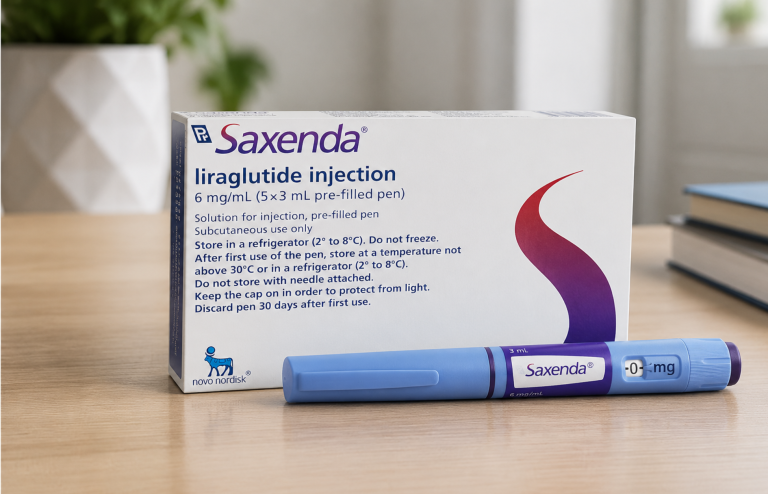
Prescription treatments for weight management go through far stricter testing before approval. Popular medical injections target brain pathways to lower appetite and slow digestion in a powerful way. Clinical trials for these approved drugs involve thousands of real patients tested over several years.
These strong medical treatments require a doctor’s prescription and regular checkups. That deep level of scientific testing stands in strong contrast to the weak data behind vinegar. Additionally, these medical treatments carry high out-of-pocket costs without good insurance.
Anyone looking into medical options should speak directly with a healthcare provider. Eligibility depends on your overall health history, starting weight, and medical conditions. While apple cider vinegar can fit alongside basic healthy choices, it cannot replace actual medication. Doctors make sure to explain this clear line to their patients.
Safety Rules and Practical Precautions
Apple cider vinegar has real risks despite being a basic kitchen item. The strong acid in it can wear down tooth enamel if you drink it plain. You should always mix vinegar into a glass of water to protect your teeth. Rinsing your mouth with plain water right after drinking it adds extra protection.
Throat irritation is another common problem, especially for people with sensitive stomachs. Anyone dealing with regular heartburn or acid reflux needs to be extra careful. Vinegar can also react poorly with certain drugs, such as diabetes medications or water pills. Patients taking these prescriptions must talk with a doctor before using vinegar daily.
Drinking far too much vinegar has caused low potassium levels in rare cases. This risk is higher for people who already have underlying kidney issues. Because of this, doctors check your health history before suggesting it as a daily add-on. Using small, well-diluted amounts is much safer than taking straight shots.
Doctor Advice and Daily Use
Doctors may discuss apple cider vinegar as a safe, simple option alongside a primary plan. It should never replace core habits like eating balanced meals and staying physically active. Patients need realistic details about how weak the current scientific proof really is. Making joint decisions with a doctor helps ensure any new habit is safe for you.
Any small benefits from vinegar take time and steady daily use to show up. People with stomach, kidney, or blood sugar conditions need extra care and monitoring. At the end of the day, vinegar plays a minor side role rather than a main fix. Personal health goals and clear medical advice should guide how you use it.
Conclusion
Apple cider vinegar shows some interesting links to better blood sugar control and minor appetite changes. However, current research remains early, mixed, and small in scale. Modern weight loss medications offer much stronger scientific proof for real weight loss results. Vinegar can only offer a small helping hand within a complete, healthy routine.
Larger and longer studies are needed to show what vinegar can truly do for body weight. Until that research arrives, it helps to view popular claims with balanced caution. Everyone deserves clear, honest facts when exploring options for their health. Further testing will help clarify where vinegar fits into long term wellness.
References
Johnston, C. S., Kim, C. M., & Buller, A. J. (2004). Vinegar improves insulin sensitivity to a high-carbohydrate meal in subjects with insulin resistance or type 2 diabetes. Diabetes Care, 27(1), 281–282. https://doi.org/10.2337/diacare.27.1.281
Kondo, T., Kishi, M., Fushimi, T., Ugajin, S., & Kaga, T. (2009). Vinegar intake reduces body weight, body fat mass, and serum triglyceride levels in obese Japanese subjects. Bioscience, Biotechnology, and Biochemistry, 73(8), 1837–1843. https://doi.org/10.1271/bbb.90231
National Institute of Diabetes and Digestive and Kidney Diseases. (2023). Prescription medications to treat overweight and obesity. U.S. Department of Health and Human Services, National Institutes of Health. https://www.niddk.nih.gov/health-information/weight-management/prescription-medications-treat-overweight-obesity
U.S. Food and Drug Administration. (2021, June 4). FDA approves new drug treatment for chronic weight management, first since 2014. U.S. Department of Health and Human Services. https://www.fda.gov/news-events/press-announcements/fda-approves-new-drug-treatment-chronic-weight-management-first-2014