Apitegromab Prevents Muscle Loss From GLP-1 Therapy

An investigational drug called apitegromab reduces lean muscle loss in patients using GLP-1 receptor agonists. Researchers published these findings in a peer-reviewed study in the journal Nature Medicine. The results address a growing clinical concern regarding muscle atrophy during rapid weight loss. This tissue loss often causes visible skin laxity and structural changes in patient bodies.
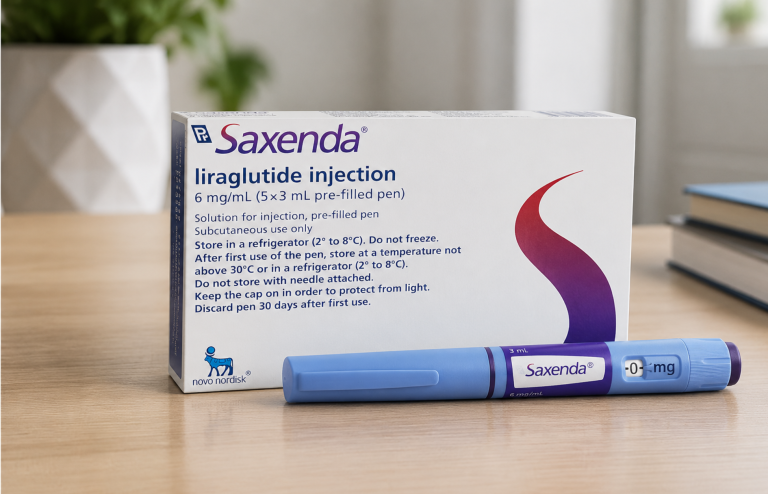
GLP-1 receptor agonists mimic natural incretin hormones to regulate appetite and glucose metabolism. The Food and Drug Administration approves these medications for type 2 diabetes and chronic weight management. Rapid weight loss achieved through these drugs can involve significant loss of lean muscle mass. Clinicians express growing concern over this parallel reduction of muscle alongside fat tissue.
Apitegromab selectively blocks the activation of myostatin. This protein controls muscle protein breakdown in the human body. The drug does not affect the blood sugar outcomes of GLP-1 therapies. It works alongside these therapies to protect important skeletal muscle tissue during periods of active weight loss.
Estimates of muscle loss from GLP-1 therapies differ across clinical studies. Earlier research hinted that lean mass could make up to 30 percent of total weight loss. Recent data show that fat loss becomes more prominent over time, yet muscle loss remains clinically important. This makes preventive measures crucial, as gaining back muscle tissue is much tougher than regaining fat.
In the trial, 102 adults participated, with over 80 percent being women. Those receiving apitegromab along with standard GLP-1 treatment showed a significant reduction in lean mass loss. The treatment group lost an average of only 3.5 pounds of lean muscle mass, while the placebo group lost an average of 7.7 pounds.
These results indicate a nearly twofold decrease in muscle loss when apitegromab is added to existing treatments. Thus, the drug effectively reduces a major side effect of rapid weight loss. The data highlight a clear benefit for patients undergoing intensive metabolic treatments. Healthcare providers see these early results as a significant improvement in the safety of weight management.
Apitegromab is currently available only through clinical trials and does not have FDA approval for public use. Providers administer the drug as an intravenous infusion rather than a self-injection. The developer plans to create a self-administered injection version after future regulatory reviews. This new format would be similar to the delivery methods of current GLP-1 therapies.
Physicians emphasize that pharmacological solutions should complement established lifestyle interventions. Clinicians recommend that patients on GLP-1 therapy maintain a high-protein diet and engage in resistance training. These measures remain the current standard of care during ongoing drug evaluation. Therefore, behavioral modifications remain essential for protecting muscle health during treatment.
Researchers caution that additional trials must confirm long-term safety and efficacy. Regulatory approval requires larger phase trials assessing more diverse patient populations. Until approval occurs, apitegromab access remains restricted to clinical trial participants under strict institutional oversight. Future data will determine if this therapy becomes a standard component of weight management.