GLP-1 Receptor Agonists and Bile Acid Malabsorption: Emerging Evidence and Mechanisms

Bile acid malabsorption affects about 1% of the general population. This condition causes chronic and socially difficult symptoms. Patients often deal with watery diarrhoea and faecal urgency. Others struggle with bowel incontinence.
Standard treatment relies heavily on bile acid sequestrants. These drugs have significant limitations regarding patient comfort. Many patients find the side effects hard to manage. Consequently, medical interest in alternative treatments has grown.
Researchers now look at glucagon-like peptide-1 receptor agonists. This drug class helps treat type 2 diabetes and obesity. It also shows promise for managing bile acid issues. These agents may offer a new way to help patients.
Pathophysiology of bile acid malabsorption
Bile acids move through a strictly controlled cycle. The ileum works to reabsorb these acids actively. This process then triggers specific receptors in the gut. These receptors are known as farnesoid X receptors.
Stimulating these receptors produces fibroblast growth factor 19. This protein then travels to the liver. It signals the liver to stop making more bile. This feedback loop keeps bile levels in balance.
This essential feedback loop fails in malabsorption cases. Growth factor levels drop too low as a result. The liver then produces too much bile acid. Excess bile eventually enters the large intestine.
Too much bile in the colon causes fluid secretion. It also makes the digestive tract move faster. Patients show much lower levels of growth factor 19. This finding makes the signalling pathway a clear target.
Limitations of the current standard-of-care therapy
Colesevelam is a common medication for this specific condition. Federal guidelines often recommend it as a first choice. Many patients still report poor symptom control, however. Others cannot handle the gastrointestinal side effects.
Sequestrants do not fix the underlying signalling problem. They only bind to acids already in the gut. These drugs fail to restore the liver feedback loop. Therefore, they do not stop overproduction at the source.
This gap creates a need for better medical options. Doctors want drugs that can handle multiple issues. Ideally, a treatment should slow transit and fix signaling. Improving reabsorption is also a primary goal.
GLP-1 receptor agonists: approved indications and agents
Federal regulators approve these drugs for specific medical uses. They primarily treat type 2 diabetes in many adults. Doctors also use higher doses for weight management. These agents have a well-known safety record.
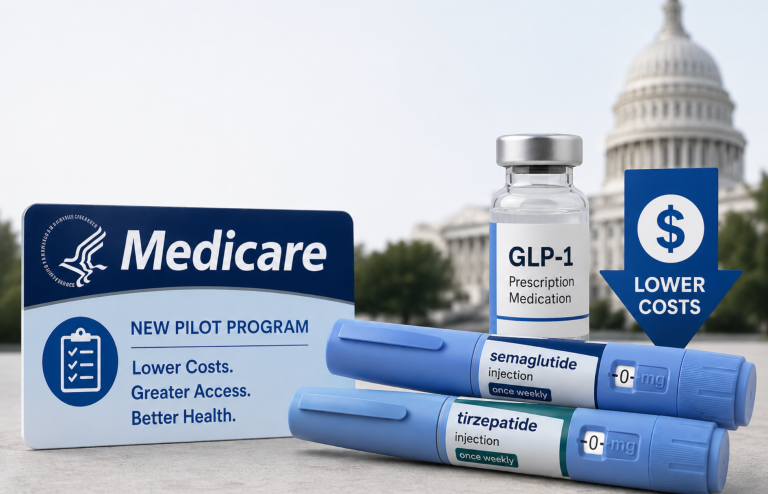
Semaglutide is one of the most common medications used. Liraglutide is another frequently prescribed option in this class. Tirzepatide acts as a dual agonist for two receptors. It also helps with blood sugar and weight.
These medications share several important biological functions. They help the body release insulin when needed. Along with this, they slow down stomach emptying. They also reduce the speed of the intestines.
Proposed mechanisms of GLP-1RAs in bile acid malabsorption
Slowing of intestinal transit and enhanced passive reabsorption
These drugs decrease the speed of the small intestine. Slowing the transit time allows for better acid uptake. The gut lining has more time for absorption. Consequently, more bile acids leave the intestinal path.
Passive reabsorption increases throughout the entire small bowel. The distal ileum then clears the remaining bile load. This process prevents excess bile from reaching the colon. As a result, watery diarrhoea symptoms decrease.
Restoration of FXR-FGF19 signalling
Better reabsorption increases bile levels inside gut cells. This rise helps activate the farnesoid X receptors. Therefore, the body produces more fibroblast growth factor 19. Higher protein levels then reach the liver.
This protein signals the liver to reduce acid synthesis. It stops the overproduction of bile at the start. Research shows that liraglutide helps improve this cycle. It also helps manage how the gallbladder empties.
Gallbladder changes help smooth the bile acid load. The body avoids a sudden surge of bile. Instead, it moves through the gut more evenly. This balance helps the intestines absorb acids better.
Clinical evidence for liraglutide in bile acid malabsorption
The use of these drugs began with individual cases. Two patients took liraglutide for obesity and diabetes. Both people saw their chronic diarrhoea symptoms disappear. This discovery led to deeper medical investigation.
One patient showed normal bile retention after treatment. Doctors then tested the drug in a formal study. They compared liraglutide directly to standard bile sequestrants. The study involved patients without any diabetes.
Liraglutide worked better than the standard medication used. It reduced daily stool frequency significantly for most. Most participants tolerated the daily injections quite well. The safety results matched previous medical data.
Longer-acting GLP-1RAs and evolving clinical interest
Semaglutide in bile acid diarrhoea: observations and considerations
The success of liraglutide sparked interest in newer drugs. Semaglutide is a much stronger and longer-acting agent. Patients only need to take it once weekly. This schedule provides very steady levels of medicine.
Evidence for semaglutide in this condition is still low. Some case reports show very positive patient outcomes. Other patients do not see the same benefits, however. The weekly dose might change how transit reacts.
Daily dosing may provide more consistent gut control. Weekly shots might cause fluctuations in some people. Accordingly, the choice of drug matters for each patient. Receptor kinetics play a role in overall success.
Tirzepatide and dual agonism: mechanistic speculation
Tirzepatide targets two different types of metabolic receptors. It has very strong effects on digestive speed. Patients often lose more weight on this medication. These features make it an interesting research topic.
No formal trials exist for this drug yet. Experts can only guess how it might work. They base these ideas on their shared chemistry. Prospective studies are necessary to prove these theories.
Clinical data for liraglutide remain much more solid. Doctors must distinguish between proven facts and theories. Research on dual agonists is still in the early stages. Future trials will clarify the role of tirzepatide.
Off-label use and regulatory context
Federal agencies have not approved these for malabsorption. Using them for this reason is considered off-label. This practice is common when evidence supports the use. Doctors use their best judgment for each case.
Liraglutide is already approved for diabetes and weight. Semaglutide also has approvals for these same conditions. Off-label use is legal in the United States. It helps when standard treatments fail to work.
The evidence base currently relies on one major trial. A few case reports also support the use. Clinicians must consider all patient factors very carefully. They must weigh the benefits against potential risks.
Evidence gaps and future research priorities
The main trial only lasted for six weeks. This short timeframe does not show long-term effects. It also did not include patients with surgery. More research is needed for diverse patient groups.
Head-to-head trials between these drugs do not exist. Scientists still need to study the exact mechanisms. They want to know which action helps most. Gallbladder effects and transit speed both require study.
Larger trials should focus on patient-reported outcomes. Biomarkers would also help track the actual progress. Semaglutide needs more testing due to its popularity. Controlled trials will provide the best answers.
Clinical implications
These drugs offer a logical choice for many. They help patients who cannot use standard binders. Liraglutide currently has the best evidence for success. It outperformed older drugs in a recent trial.
The treatment works on several biological levels at once. It slows down the gut and improves absorption. It also fixes the liver signalling pathway. This multi-level approach makes the drug very effective.
Patients with diabetes or obesity may benefit most. These people might already have an approved reason. Doctors can treat two conditions with one medication. This convergence makes clinical management much easier.
Conclusion
Bile acid malabsorption is a frequently missed condition. It causes a heavy burden on daily life. GLP-1 drugs show real promise for these patients. They fix the core problems in the gut.
Current evidence supports using these in specific cases. This is especially true for patients with obesity. It also applies to those with type 2 diabetes. The research field is still quite new, however.
Longer-acting drugs still need more dedicated study. Scientists must confirm the benefits of dual agonists. Continued research will provide clearer treatment options. This progress gives hope to many suffering patients.
References
Nielsen, M. M., Lundbye-Christensen, S., & Brock, C. (2023). Different effects of once-weekly semaglutide and once-daily liraglutide on bile acid diarrhoea: A case report. Clinical Obesity, 14(1), e12622. https://doi.org/10.1111/cob.12622
Lundbye-Christensen, S., Melholt, C., Wildt, S., Rumessen, J. J., Brock, C., & Krogh, K. (2021). Treatment of bile acid malabsorption with glucagon-like peptide-1 receptor agonists: A randomised, double-blind, placebo-controlled study protocol. BMC Gastroenterology, 21(1), 97. https://doi.org/10.1186/s12876-021-01674-5
U.S. Food and Drug Administration. (n.d.). U.S. Food and Drug Administration. U.S. Department of Health and Human Services. Retrieved June 1, 2026, from https://www.fda.gov/