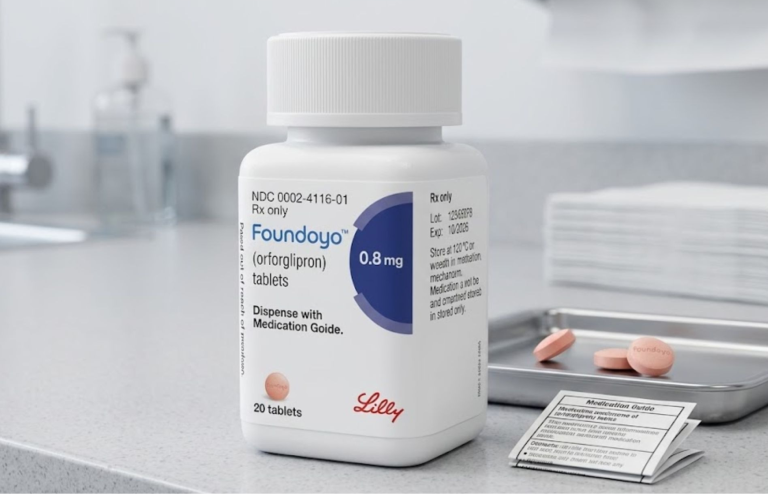
Oral Orforglipron Outperforms Semaglutide in Phase 3 Glycemic Control Trial for Type 2 Diabetes
A recent phase 3 trial published in The Lancet evaluates a novel diabetes medication. This study compares orforglipron to oral semaglutide in patients with type 2 diabetes. Orforglipron represents a new class of non-peptide GLP-1 receptor agonists. Researchers observed significant improvements in glycemic control throughout the trial period.
The ACHIEVE-3 trial included 1,698 adult participants across various research centers. Investigators randomized these individuals into four distinct treatment groups. These groups received either orforglipron or semaglutide at varying daily doses. All participants previously used metformin to manage their blood glucose levels.
Participants met specific baseline requirements for inclusion in this clinical study. Each individual maintained a body mass index of at least 25 kg/m2. Furthermore, baseline glycated hemoglobin levels ranged between 7.0% and 10.5%. These parameters ensured a consistent patient profile for the duration of the trial.
The primary endpoint focused on mean changes in glycated hemoglobin from baseline. Researchers established a non-inferiority margin of 0.3% for the comparison. Following this, the team performed hierarchical superiority testing on the gathered data. This rigorous statistical approach verified the comparative efficacy of both oral medications.
Orforglipron doses produced substantial reductions in mean hemoglobin levels. The 12 mg dose resulted in a 1.71% decrease from baseline. Meanwhile, the 36 mg dose achieved a reduction of 1.91%. These figures surpassed the results seen in the semaglutide groups.
Semaglutide 7 mg and 14 mg doses showed lower efficacy levels. These treatments reduced glycated hemoglobin by 1.23% and 1.47% respectively. Consequently, orforglipron met the threshold for statistically significant superiority. All treatment differences yielded p-values below 0.01 during the analysis.
The non-peptide structure of orforglipron provides unique clinical benefits. Existing oral GLP-1 therapies often require strict fasting and water restrictions. In contrast, orforglipron does not necessitate specific food or water requirements. This flexibility may improve long-term patient adherence to the medication.
Simplified dosing protocols often lead to better health outcomes in chronic care. Therefore, this non-peptide formulation addresses a common barrier in diabetes management. Building on this, the medication offers a more convenient alternative to traditional options. Such advancements help clinicians tailor treatments to individual lifestyle needs.
Clinical data revealed a higher frequency of gastrointestinal issues with orforglipron. These events affected approximately 59% of participants in those treatment arms. In view of this, semaglutide groups reported lower rates of digestive discomfort. Most subjects described these side effects as mild or moderate in nature.
Discontinuation rates reflected the higher incidence of adverse reactions in certain groups. Roughly 10% of orforglipron users stopped treatment due to these effects. For semaglutide, the discontinuation rate remained much lower at 5%. Nevertheless, the safety profile aligns with the known effects of this drug class.
Investigators also tracked changes in the resting pulse rates of participants. Orforglipron caused increases ranging from 3.7 to 4.7 beats per minute. Semaglutide led to smaller elevations in heart rate during the study. Accordingly, researchers continue to study the long-term cardiovascular implications of these findings.
Orforglipron currently awaits formal review by the Food and Drug Administration. These trial results support the potential for future regulatory approval. Moreover, the demonstrated superiority provides a strong case for its clinical use. Healthcare providers must balance these efficacy gains against the noted side effects.