Weight Loss Drugs Work, But High Costs Keep Them Out of Reach for Many Latinos
Nearly 25% of Latino adults in the U.S. live with obesity. While breakthrough medications like GLP-1s have changed the game for weight management and type 2 diabetes, high prices and strict insurance rules mean many people who need them can’t get them.
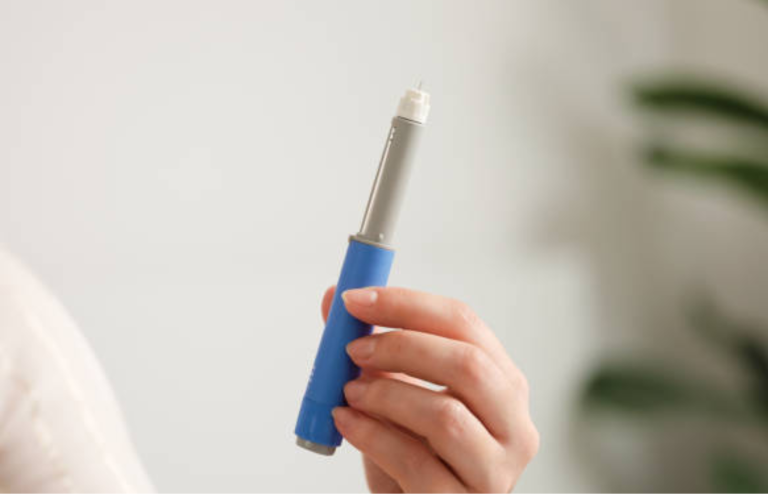
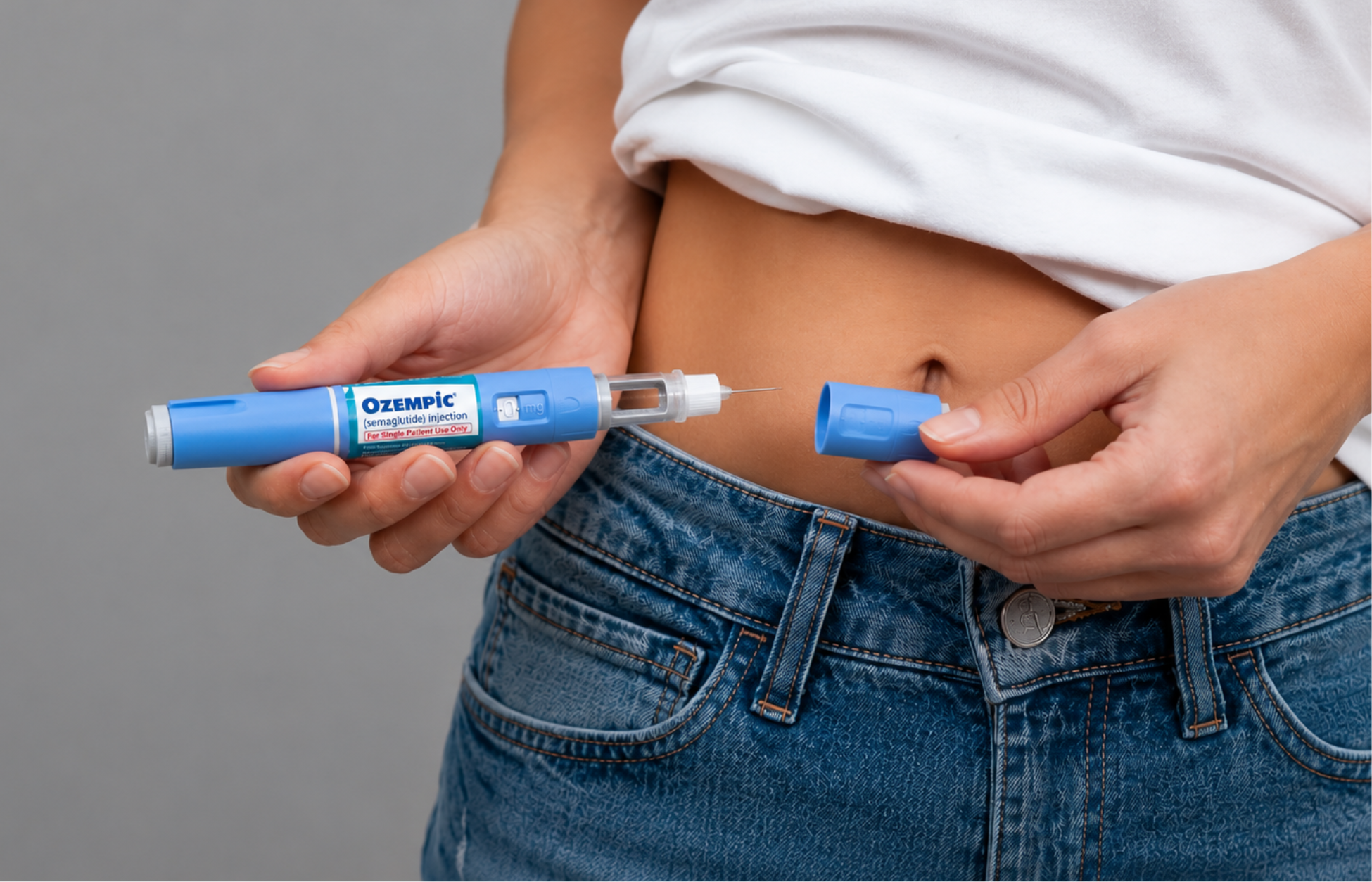
Medications like semaglutide (Wegovy, Ozempic) and tirzepatide (Mounjaro, Zepbound) were first created to treat type 2 diabetes. Doctors soon noticed another major benefit: significant weight loss. These weekly shots work by mimicking natural body hormones that control appetite and tell your brain when you’re full. Today, millions of people use them, and spending on these drugs has jumped over 500% in just five years. Among Latino adults with diabetes, over 31% take these injectable treatments, showing just how important they’ve become.
Unlike standard diets, these medications target the biological signals that drive hunger. Patients often talk about a reduction in “food noise” the constant, overwhelming thoughts about food and eating throughout the day. In clinical trials, people taking semaglutide felt noticeably less hungry compared to those taking a placebo. Even better, these effects last long-term, helping people keep the weight off over time.
Obesity is a long-term medical condition, not a failure of willpower. When patients stop taking these medications, the physical and emotional toll can be heavy. Most people gain back much of the weight they lost within the first year of stopping, which often causes deep frustration and anxiety. While on the medication, side effects like mild nausea, diarrhea, constipation, and temporary hair thinning are common especially when starting or raising the dose. These usually fade as the body adjusts.

Even though these drugs work well, getting insurance to cover them is a major headache. Public insurance programs like Medicare generally will not cover these drugs just for weight loss. They usually only pay for them if a patient also has type 2 diabetes or a severe heart condition. While temporary discount programs exist to lower out-of-pocket costs, they require stacks of paperwork, strict body mass index (BMI) cutoffs, and doctor pre-approvals that can take months. To make matters worse, standard BMI measurements don’t always give an accurate picture of a person’s real health risks, making it even harder to qualify.
Right now, only about 2% of eligible Latino patients who could benefit from anti-obesity medications are actually getting them. Out-of-pocket expenses even with partial insurance coverage remain far too high for most families. Until insurance policies change and prices come down, millions of people will remain locked out of treatments that could dramatically improve their health and quality of life.