Medicare Is Opening the Door Wider for Eli Lilly’s Weight Loss and Diabetes Drugs
Eli Lilly’s latest earnings report caught the attention of analysts and patients alike. The drugmaker reported $19.8 billion in revenue for the first quarter of fiscal 2026, a 56 percent increase compared to the same stretch last year.
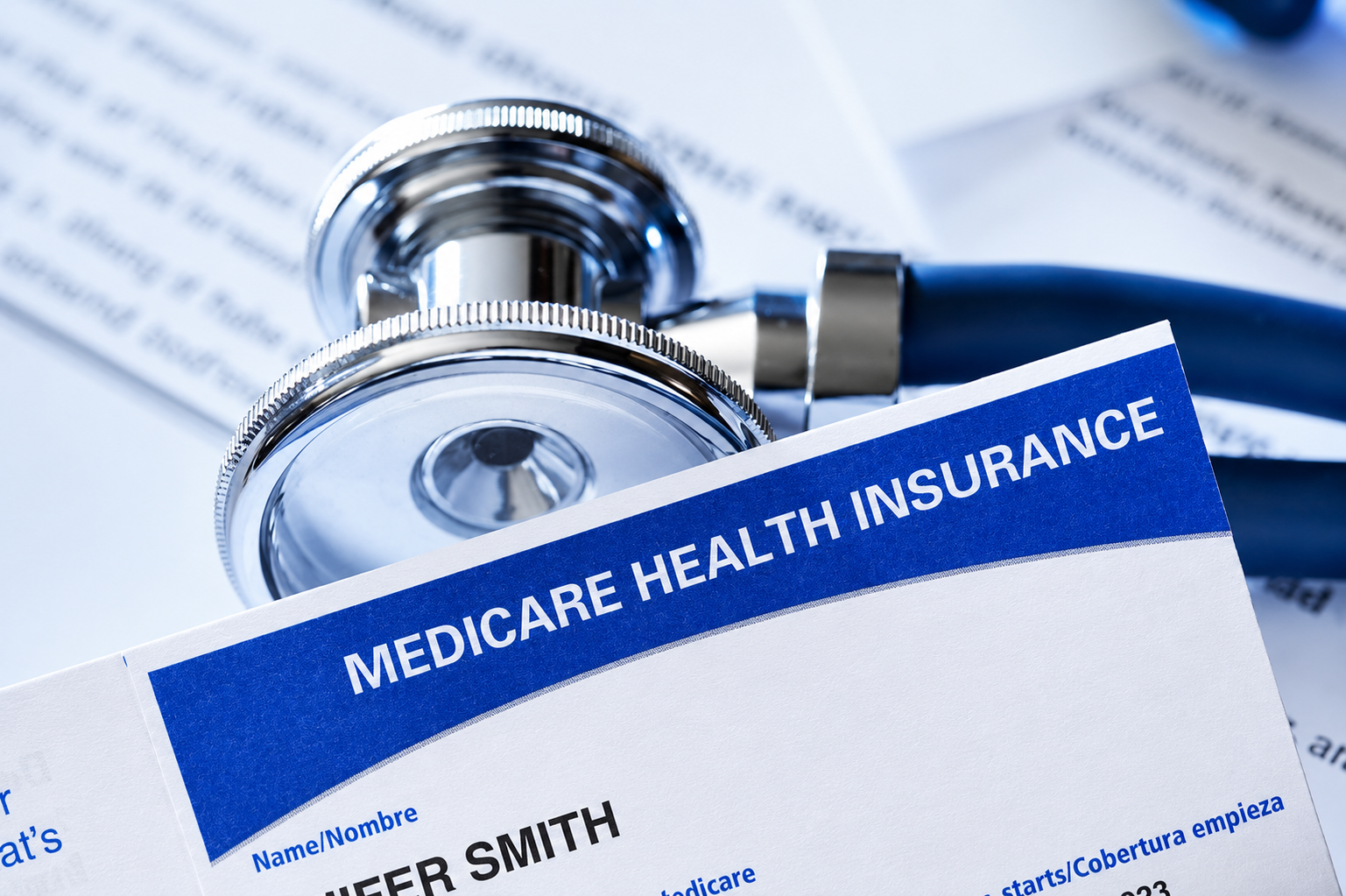
Much of that surge traces back to two products: Zepbound and Mounjaro. Combined, they generated $12.8 billion in sales over just three months. What’s changing now is access: Medicare plans to broaden coverage for both drugs, opening the door for a large group of older adults who previously couldn’t get them covered.
This shift carries real weight. Mounjaro’s active compound, tirzepatide, has FDA clearance for treating type 2 diabetes. Zepbound relies on that same compound but is approved separately for obesity and long-term weight management. Neither drug is available over the counter. Physicians generally recommend them as part of a broader plan involving nutrition and physical activity, not as a standalone fix.
Medicare hasn’t historically covered anti-obesity medications. Federal rules kept most weight loss drugs off the approved list for years. The Centers for Medicare and Medicaid Services oversees those policies and periodically updates them based on fresh clinical data or changes in law.
Loosening restrictions on tirzepatide-based treatments stands to benefit a sizable patient population. Many seniors managing diabetes or obesity have struggled with high out-of-pocket price tags for these drugs. Broader coverage could finally bring that expense down to a manageable level.
Financially, Lilly’s non-GAAP earnings per share landed at $8.55, a 156 percent jump from the prior year. Company leadership now forecasts full-year revenue reaching as much as $85 billion, alongside earnings per share climbing toward $37. Growth spans multiple therapeutic areas, including oncology, immunology, and neuroscience. Even so, the GLP-1 lineup remains the primary engine behind these results.
What explains the sudden popularity of these medications? GLP-1 drugs, a group that also includes Novo Nordisk’s Ozempic and Wegovy, have fundamentally altered how physicians approach chronic weight and metabolic conditions. Their mechanism involves mimicking natural gut hormones tied to blood sugar regulation and appetite control, a process outlined by the National Institute of Diabetes and Digestive and Kidney Diseases.
Supporting evidence from clinical trials is substantial. Study participants experienced meaningful weight reduction alongside improved glycemic control. That said, these medications come with tradeoffs. Nausea and other digestive side effects appear frequently, and researchers continue gathering long-term safety information before broadening recommendations too far.
Rising popularity has invited closer regulatory oversight. The FDA monitors adverse event reports connected to this drug category, including instances of pancreatitis and gallbladder complications. At the same time, regulators have targeted compounding pharmacies manufacturing unapproved versions of tirzepatide and semaglutide.
These crackdowns serve an important purpose. They highlight why patients need to source these treatments exclusively from licensed pharmacies dispensing FDA-approved products. Unregulated alternatives have surfaced amid ongoing shortages, and they pose genuine safety concerns.
Should Medicare expand coverage as anticipated, prescription demand will likely rise even further. Lilly faces mounting pressure to scale production accordingly, an area where the company has already committed substantial investment. Insurance providers and pharmacy benefit managers will similarly need to revise formularies and prior authorization requirements to accommodate the shift.
At this stage, everyone involved, from patients to prescribers to payers, is tracking how quickly these policy adjustments materialize and what they’ll mean once implemented.