GLP-1 Drug Exposure in Early Pregnancy Carries No Significant Risk, Large Analysis Finds
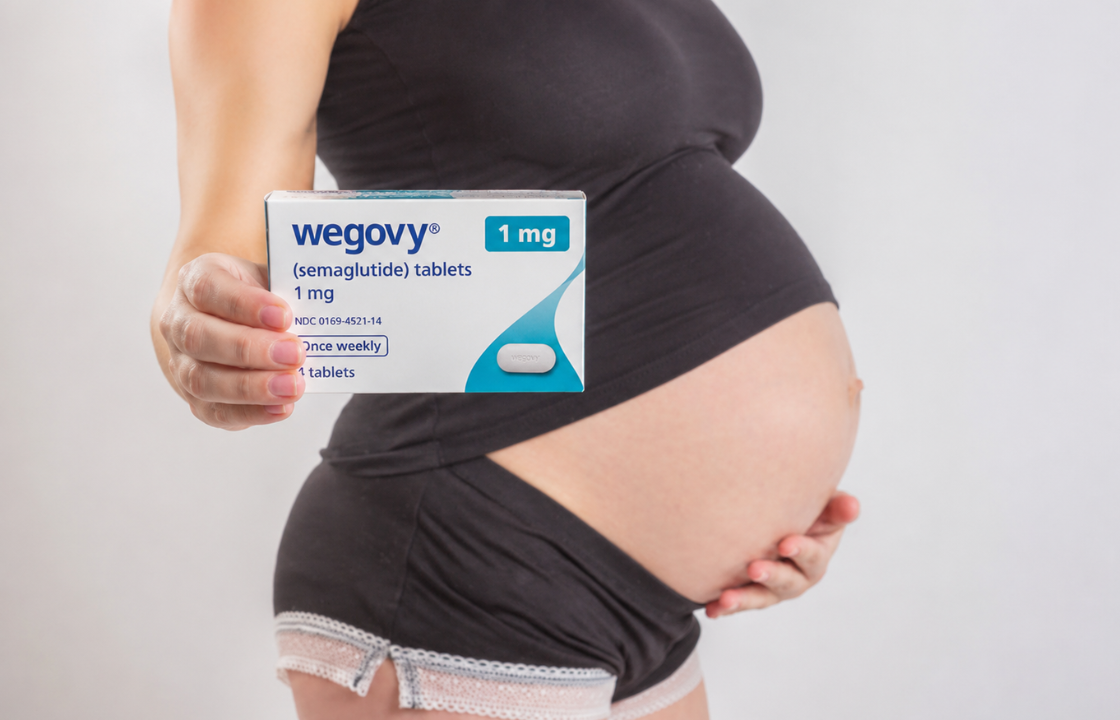
A large new study looks at accidental drug use during early pregnancy. Researchers studied 3,572 pregnancies involving early weight treatments. To be precise, 1,467 of these cases featured patients with type 2 diabetes. The team compared patients who kept taking the drugs to those who stopped.
Analysts adjusted their data to account for personal health risks. The rate of pregnancy loss was 29.7 percent for those who kept taking the medicine. Patients who stopped the treatment had a 27.1 percent rate. Thus, investigators decided this small difference lacked statistical significance.
The research team used large medical records to find these specific pregnancies. Analysts carefully filtered the data to find relevant early exposure cases. They removed pregnancies with severe health conditions to keep the data clean. Given this, the final dataset offered a very strong base for testing.
Continued medicine use avoided greatly increasing low or high birth weights. Researchers, moreover, found no major jumps in birth defects. The study team noted minor data limits regarding these specific details. These main findings nevertheless give pregnant patients a lot of comfort.
Medical groups firmly warn against taking these drugs before birth. Drug labels clearly state that the safety remains unproven. Early animal tests, in view of this, show real dangers for growing babies. Current rules therefore tell patients to stop treatment before getting pregnant.
Standard rules tell patients to stop these medicines one or two months before trying to conceive. Scientists noticed bad fetal outcomes during early laboratory tests. Accordingly, health authorities keep strict warnings active despite the new helpful data. Doctors must share these warnings with all patients.
More young patients take these drugs now, which causes deep concern. These medicines boost fertility by helping patients lose weight and process sugar better. Certain drugs, along with this, stop birth control pills from working well. As a result, this bodily change greatly increases the chance of unplanned pregnancies.
Tirzepatide shows a strong power to block hormonal birth control. This drug interference drastically raises the overall risk of unexpected pregnancies. Doctors must actively warn young women about this specific drug problem. Consequently, patients often need different birth control methods during active treatment.
Health workers now face hard choices when advising their patients. Doctors must balance a mother’s health needs against uncertain baby risks. Meanwhile, scientists keep gathering long-term facts to understand these drugs better. Medical groups will likely update formal rules as clear new facts appear.
Study leader Dr. Jeremy Brown said the data offers great comfort. Senior author Dr. Sonia Hernandez-Diaz wrote down these exact facts. She strongly urged everyone to follow current medical rules. Patients planning a family must accordingly obey standard drug labels to stay safe.
Experts openly admit they cannot promise complete drug safety right now. The collected facts notably lower the fear of common negative outcomes. Hernandez-Diaz stated this is the best promise the current data allows. Doctors can thus safely comfort worried patients dealing with unplanned early pregnancies.