Eli Lilly’s 2026 Acquisition Campaign Signals Strategic Pivot Beyond GLP-1 Dominance

Eli Lilly has launched an aggressive acquisition campaign in 2026, committing tens of billions of dollars to diversify its pipeline well beyond its flagship GLP-1 franchise. The company’s blockbuster cardiometabolic agents, Mounjaro for type 2 diabetes and Zepbound for obesity, generate substantial revenue. Nevertheless, Lilly’s leadership has moved decisively to reduce concentration risk by expanding into oncology, neuroscience, immunology, and infectious diseases.
Three privately held biotechnology companies are involved in the most recent set of transactions. Together, these transactions have a potential valuation of around $4 billion. A late-stage shingles vaccine candidate and a bacterial platform that targets specific infections are the focal points. Additionally, a vaccination against the early stages of the Epstein-Barr virus is added to the corporate portfolio. For the manufacturer, these resources successfully open up a significant infectious illness market.
The scope of this pipeline technique is further demonstrated by previous business dealings. To obtain oral treatments for inflammatory conditions, the company purchased a biotechnology developer. In order to improve its internal oncology engineering pipeline, it also made billion-dollar investments. Leadership also revealed the multibillion-dollar purchase of a neuroscience company. To improve precision oncology, other strategic alliances introduced a dual-payload antibody-drug conjugate platform.
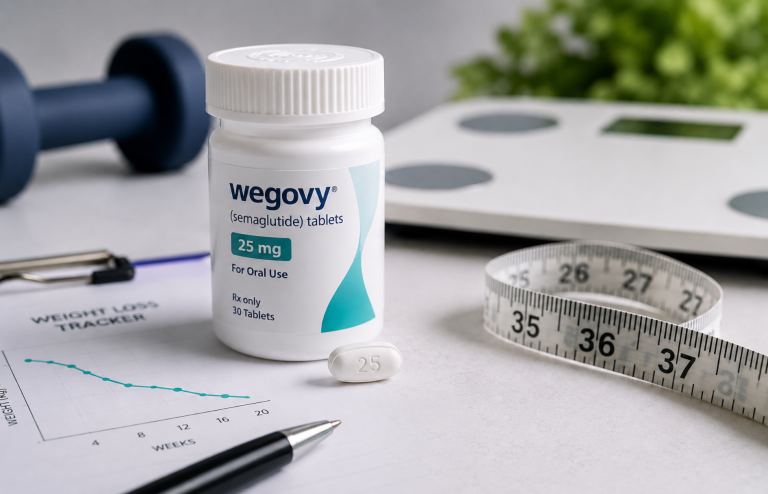
The market for diabetes and obesity is becoming more and more competitive as a result of this diversification drive. The established metabolic portfolio of a foreign rival directly competes with the company. Notably, that rival obtained a first-mover advantage by introducing an oral weight-management formulation. Soon later, the manufacturer responded by releasing its own oral receptor agonist. As a result, the competitive gap in the oral market was significantly reduced by this quick response.

Smaller market participants are also advancing candidate therapies rapidly through clinical development. One competitor is developing a dual receptor agonist in both subcutaneous and oral formulations. Another developer reported meaningful weight loss outcomes during a recent phase two trial. Given this, both entities plan late-stage clinical programs for the second half of the year. These emerging market entrants signal that category pricing pressure will intensify.
Consensus earnings projections show ongoing investor optimism from a financial standpoint. Over the previous 30 days, projected earnings per share statistics increased steadily. The forward price-to-earnings ratio of the corporate stock is currently higher than the industry average. In the meantime, share increases so far this year surpass those of the pharmaceutical industry as a whole. These measures show that the rapid business expansion is well received by the financial markets.
The acquisition strategy ultimately reflects a calculated effort to build durable revenue growth. Cultivating deep pipeline assets across multiple therapeutic areas positions the firm for long-term stability. The scale of these transactions indicates that leadership values portfolio breadth over single-franchise exclusivity. Thus, diversified innovation serves as the primary defense against accelerating market competition.