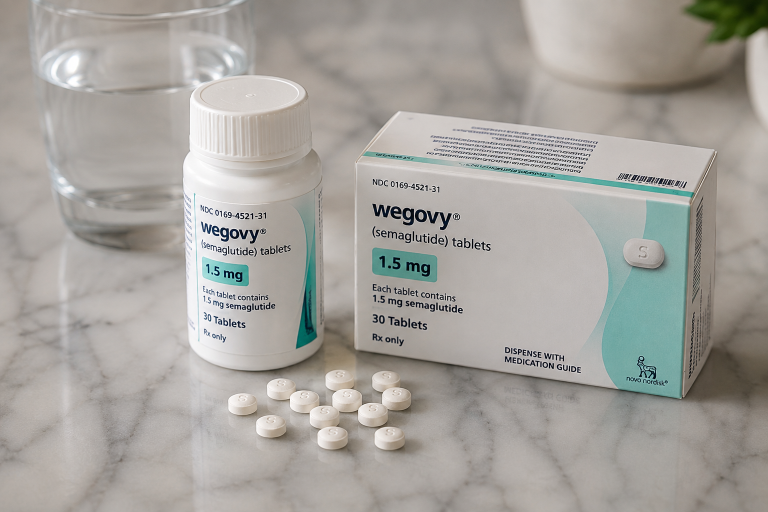
How Generic Semaglutide Could Make Heart and Kidney Care Far More Affordable
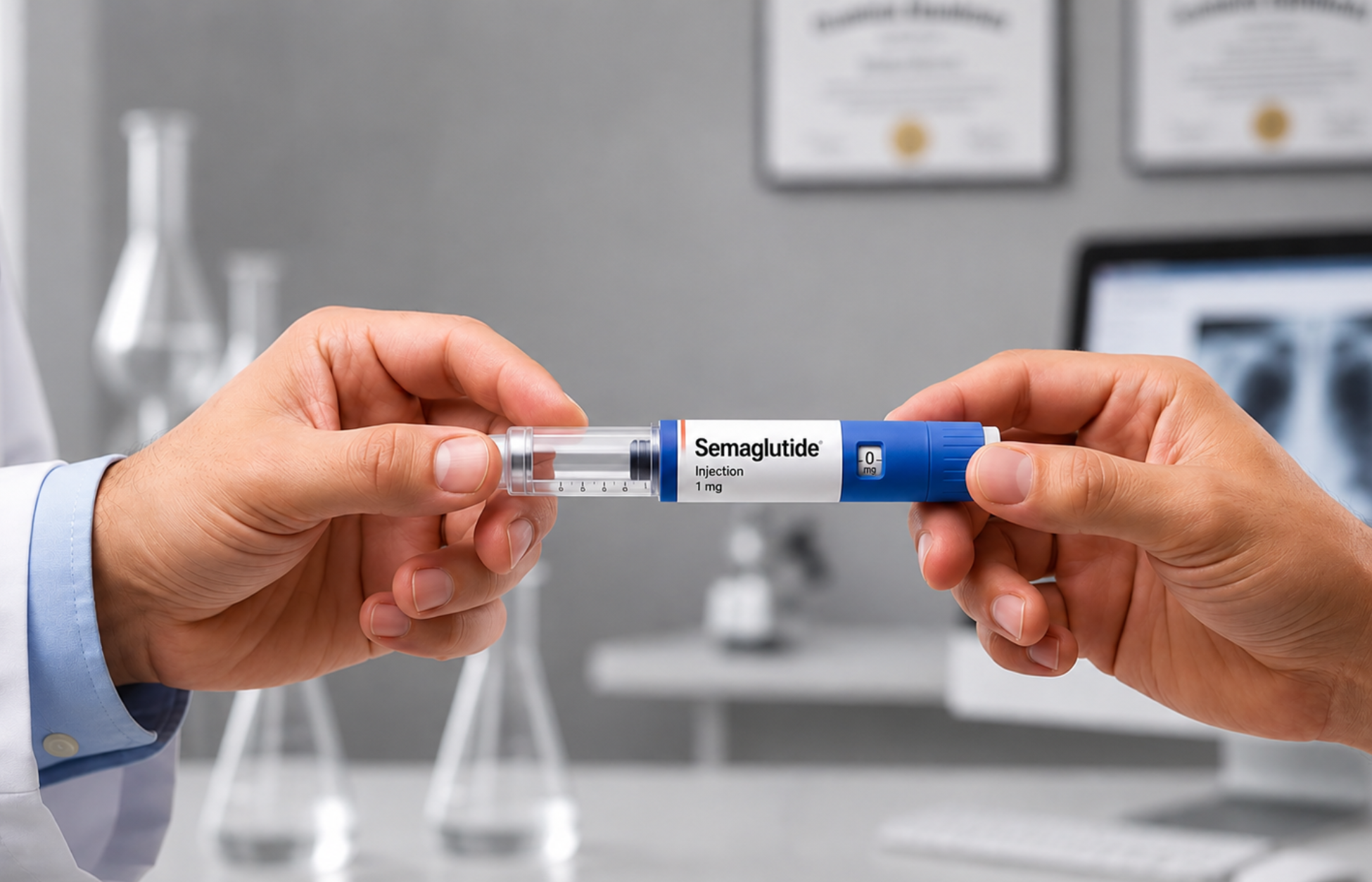
When generic versions of semaglutide hit the market, a massive financial roadblock will finally come down for millions of patients. For years, steep price tags have kept people from getting top-tier heart and kidney medications. A recent health economics study shows that lower prices can make combined treatments more affordable. The approach may improve patient health while also making strong financial sense.
Leading cardiology organizations recommend GLP-1 receptor agonists, such as semaglutide, for people with type 2 diabetes who have a high risk of heart disease.
Experts also recommend SGLT2 inhibitors for patients with elevated cardiovascular or kidney risk. These medications can help protect the heart and kidneys. In some cases, they provide benefits even when blood sugar levels are not severely elevated.
Even though doctors want to prescribe these drugs, high prices have historically held most patients back. Treating everyone who actually qualifies would cost health systems billions of dollars every year. That is why expiring drug patents are a total game-changer.
Researchers used a detailed economic model to simulate over two hundred different patient situations to see what happens as prices fall. They found that at a sixty percent price drop, taking both drugs together becomes the most cost-effective option. At a seventy percent price drop, single-drug treatments become exceptionally affordable. In short, paying for these treatments upfront saves money in the long run by preventing expensive hospital visits and medical complications down the road. Standard care options simply do not offer the same protection or long-term financial savings.
Despite strong medical evidence, many health insurance plans still refuse to pay for these drugs unless a patient’s blood sugar is out of control, or unless they try and fail cheaper, older diabetes meds first. Medical experts argue this old-school focus on blood sugar ignores modern medical guidelines. By forcing patients to wait, insurance rules cause people to miss out on critical heart and kidney protection.
Dr. Abhinav Sharma, a co-author of the economic study, notes that cheaper generic drugs will give pharmacists a much bigger role in hands-on care. Instead of just looking at blood sugar tests, pharmacists will be able to help identify high-risk patients who were previously priced out of treatment. They will also play a key role in explaining how these drug combinations work together and monitoring for side effects.
Patients should keep regional differences in mind. Drug patents expire at different times around the world. As a result, cheaper generic options may become available in one country before another.
A generic drug launched abroad does not mean your local pharmacy will have it immediately. Availability depends on patent laws, regulatory approvals, and local market conditions.
Over time, generic options are expected to become more widely available. Therefore, prescribing habits will likely shift. Doctors may increasingly choose treatments that provide both heart and while remaining affordable for patients.