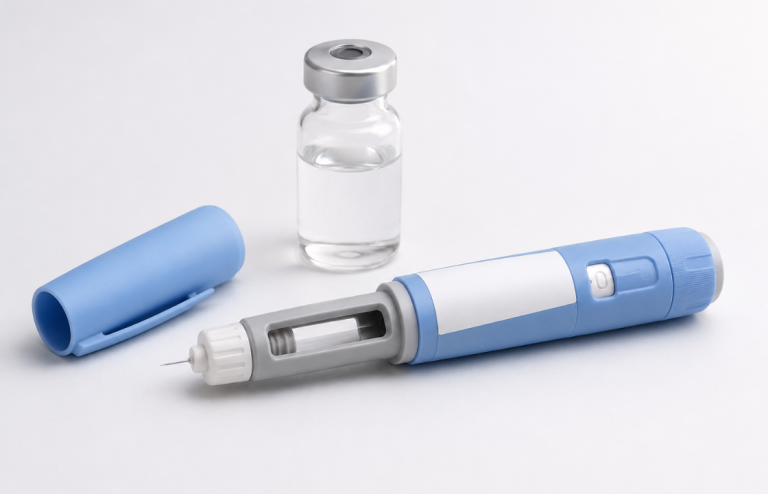
Clinical Management of Wegovy Storage Protocols
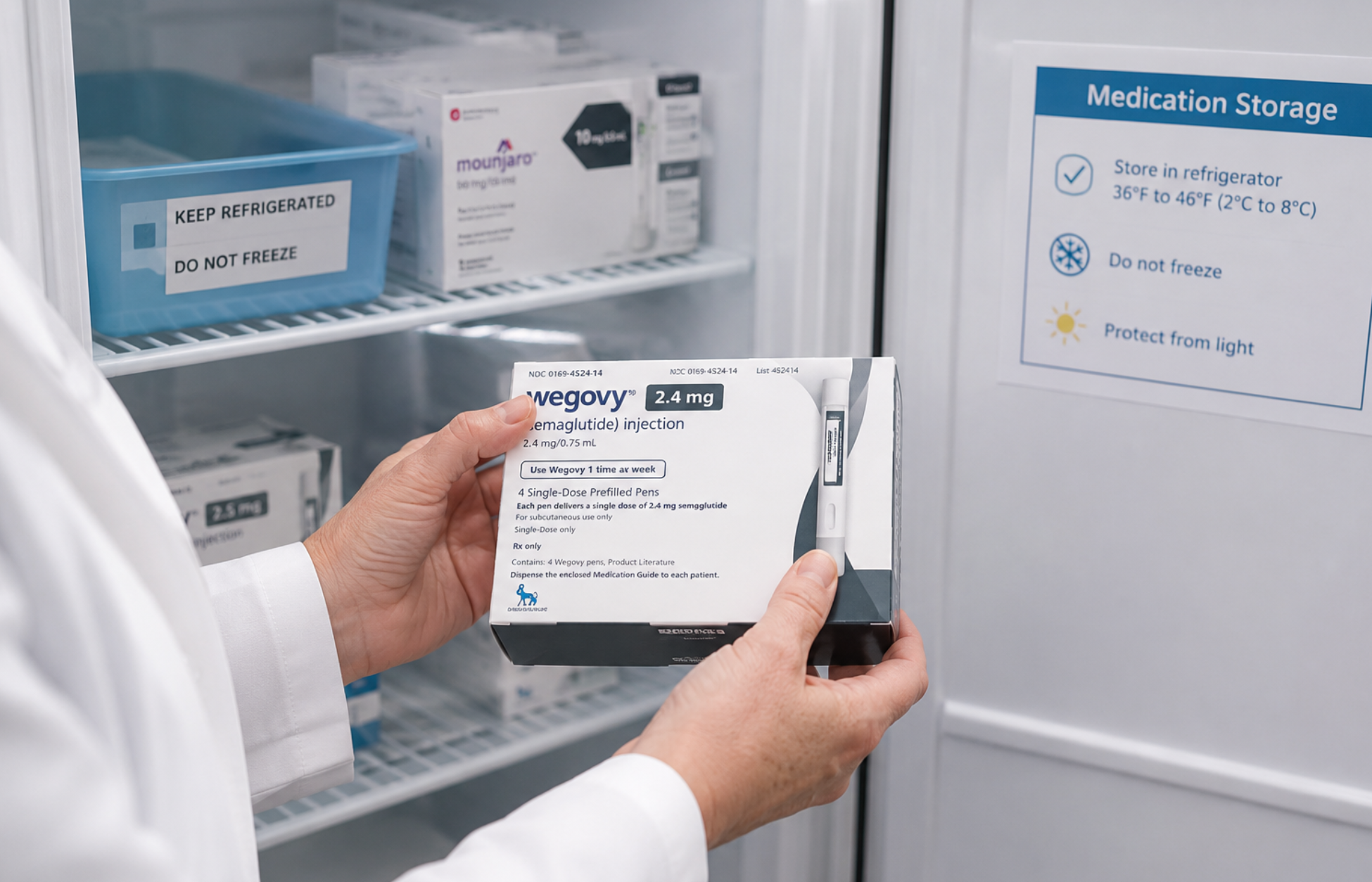
Proper storage of injectable semaglutide products directly affects medication strength and patient safety. Wegovy, a glucagon-like peptide-1 receptor agonist, requires temperature-controlled handling to maintain its molecular structure. As a result, clinicians often receive questions from patients about refrigeration needs for prefilled pens. This article explores the medical basis for these storage recommendations and their clinical effects.
Patients often feel confused about storage due to differing manufacturer guidelines before and after first use. They may also receive inconsistent advice from pharmacies, insurers, and online sources. Clear clinical guidance is essential to ensure medication effectiveness. The following sections discuss the mechanisms, regulatory foundation, and practical aspects of Wegovy storage protocols.
Understanding Semaglutide Stability
Semaglutide is a peptide-based compound that can break down outside specific temperature ranges. Peptide chains lose stability when exposed to high heat or frequent temperature changes. This breakdown can lower receptor binding affinity and reduce effectiveness. Manufacturers set strict cold-chain protocols from production to patient administration.
The manufacturer specifies that unused pens should be stored in a refrigerator between 36 and 46 degrees Fahrenheit. This range keeps the peptide’s structure intact without causing freeze damage. Freezing poses a significant risk, as ice crystal formation can permanently alter molecular integrity. Therefore, patients should avoid placing pens near the back wall of refrigerator compartments.
Molecular Basis of Degradation
Peptide hormones depend on accurate three-dimensional folding to bind effectively to their target receptors. High temperatures speed up molecular movement, increasing the chance of misfolding or clumping together. Clumped peptides lose the specific shape needed for receptor engagement. This explains why heat exposure, not just time, leads to most potency loss.
Oxidation also contributes to semaglutide breakdown under poor storage conditions. Light exposure can speed up these oxidation reactions within the peptide. Consequently, manufacturers package Wegovy pens in opaque casings to limit photodegradation. These protective measures highlight the sensitivity of peptide-based treatments.
Storage Guidance Before First Use
Unopened Wegovy pens must remain refrigerated until the first injection. This requirement holds true whether the pen is in its original packaging. Manufacturer guidelines state that unopened pens maintain full potency through the labeled expiration date when stored properly. A brief deviation from this range generally does not compromise the medication.
Patients traveling with unopened pens should use insulated containers to keep temperatures in the proper range. Cooling packs should not touch the pen directly to prevent freezing. Pharmacists usually offer advice on transport methods at the time of dispensing. Following these guidelines reduces the chances of accidental potency loss during travel.
Air travel creates additional storage challenges that clinicians should address. Checked luggage compartments can reach temperatures that do not meet cold-chain requirements. Carrying the pen in insulated packaging is the best option for most patients. Airlines generally allow items for medical needs, including cooling packs, without extra restrictions.
Storage Guidance After First Use
Once patients start using a Wegovy pen, the storage rules change. The manufacturer allows storage at room temperature, up to 86 degrees Fahrenheit, for a specified time after first use. This period can last up to 28 days, after which the pen must be thrown away. This flexibility accommodates patients who prefer not to refrigerate pens while actively using them.
Refrigeration remains a valid choice during this 28-day period. Patients can choose whichever method suits their daily routine and access to refrigeration. Both options keep potency acceptable within the given timeframe. However, clinicians should remind patients that temperatures above 86 degrees Fahrenheit speed up degradation.
Household environments can sometimes exceed recommended temperature limits, particularly in warm months. Kitchen counters near appliances or window sills can accumulate heat. Therefore, patients should choose storage locations away from direct sunlight and heat sources. Bathroom cabinets can also be problematic due to humidity and temperature changes during showers.
Comparative Considerations Across GLP-1 Therapies
Storage protocols vary slightly among glucagon-like peptide-1 receptor agonist products. One alternative therapy, which also contains semaglutide, follows similar refrigeration rules to Wegovy because they share the same active ingredient. Another common formulation, which includes tirzepatide, adheres to comparable cold-chain principles, despite having a different molecular structure. These similarities reflect the sensitivities of peptide-based therapies.
Clinicians who care for patients using different products should standardize storage information to minimize confusion. Pharmacy staff play a crucial role in reinforcing manufacturer-specific guidelines at each refill. Patient misunderstandings often stem from differing messages in various care settings. Standardized counseling materials can help reduce this variability and enhance medication adherence.
Patients switching between these formulations need updated storage education. Assuming the same protocols for different products can lead to avoidable mistakes. Doctors should review storage instructions whenever patients change formulations. This practice helps maintain the effectiveness of treatment during transitions.
Regulatory Oversight of Storage Requirements
The Food and Drug Administration reviews stability data from manufacturers before approving storage recommendations. This approval process establishes the temperature ranges and time limits shown on product labels. Regulatory approval supports the scientific trustworthiness of the storage instructions provided to patients. Clinicians can confidently reference these approved parameters when counseling patients.
Manufacturers also need to continue monitoring stability as part of their obligations after market release. This ongoing monitoring may lead to updated storage guidelines as more data become available. Clinicians should periodically check that patient-facing materials match current labeling. Outdated instructions can sometimes appear in educational materials, even after label updates.
Counseling Checklist for Clinical Practice
Using structured counseling checklists ensures consistent delivery of storage information during visits. Key items include the refrigeration temperature range, the 28-day limit after first use, and the need to avoid freezing. Clinicians should also confirm that patients have access to a working refrigerator before starting therapy. Tackling access issues early prevents unwanted storage complications later.
Documenting storage counseling in the medical record ensures continuity across care transitions. This is especially beneficial when patients see multiple providers or use different pharmacies. Electronic health record templates can include storage counseling as a standard part of prescribing workflow. Such integration minimizes reliance on individual clinician memory during brief visits.
Clinical Implications of Improper Storage
Degraded semaglutide may have less weight-related effectiveness without any visible changes to the pen. This creates a diagnostic issue since patients and clinicians cannot visually check for potency loss. A poor therapeutic response in an otherwise compliant patient may indicate a storage-related problem. Clinicians should consider the storage history when evaluating inadequate responses.
Financial factors are also important, given the high costs of these therapies. The steep prices make medication waste a significant financial burden for individuals paying out of pocket. Throwing away a pen due to improper storage represents both a therapeutic and financial setback. Emphasizing correct storage practices serves both clinical and economic needs.
Insurance coverage limits add to the impact of waste from improperly stored medication. Many insurers restrict early refills, leaving patients without therapy after damage to a pen. This gap in treatment can negatively influence glycemic control or weight management. Proactive storage counseling, therefore, becomes an essential aspect of continuous care.
Special Considerations During Storage Disruptions
Power outages and refrigerator problems pose distinct risks to medication integrity. Patients should monitor storage temperatures using a reliable thermometer during extended outages. If the temperature exceeds 46 degrees Fahrenheit for a long time, the potency may no longer be assured. Promptly contacting the prescribing clinician or pharmacist allows for a detailed assessment of the affected pen.
Severe weather can also disrupt cold-chain continuity for long periods. Patients should create backup storage plans in anticipation of possible emergencies. Portable refrigeration units or generator-powered options can offer temporary protection during outages. Pharmacists can suggest appropriate backup measures tailored to individual situations.
When there are doubts about a pen’s storage history, clinicians should generally advise discarding it. This cautious approach prevents administering a potentially ineffective dose without clear confirmation. Replacement processes differ by insurer, but many plans account for documented losses due to storage issues. Detailed documentation of the incident helps secure timely replacement approval.
Practical Recommendations for Patients
Patients benefit from establishing consistent storage routines right after starting their prescription. Labeling the refrigerator shelf or choosing a specific storage spot can help prevent mistakes. Setting calendar reminders for the 28-day period after first use encourages timely disposal. These practical tips enhance verbal counseling provided during clinical visits.
Pharmacists and prescribers should confirm that patients understand instructions using teach-back methods during counseling. This method checks comprehension instead of assuming patients remember everything said. Written materials highlighting key temperature limits further support adherence. Overall, consistent storage practices protect treatment effectiveness and patient investment.
Digital tools, such as pharmacy apps and reminder systems, can also reinforce proper storage habits. Some manufacturers provide companion apps that automatically track pen expiration and first-use dates. Using these tools in routine care may lessen reliance on patient memory alone. Clinicians should familiarize themselves with available resources to offer helpful recommendations.
Conclusion
Wegovy pens need refrigeration before first use and offer flexible storage afterward. This flexibility, limited by specific temperature ranges and a 28-day usage window, balances convenience with stability. Clinicians play a crucial role in translating manufacturer guidance into practical advice for patients. As these therapies continue to expand in clinical use, education about storage remains critical for optimizing outcomes.
References
American Diabetes Association. (2026). Pharmacologic approaches to glycemic treatment: Standards of care in diabetes—2026. Diabetes Care, 49(Supplement_1), S150–S172. https://doi.org/10.2337/dc26-S009
Kushner, R. F., Calanna, S., Deren, M., Guenther, A., Jódar, E., Rosenstock, J., Wilding, J. P. H., & Wharton, S. (2020). Efficacy and safety of semaglutide 2.4 mg once weekly in adults with overweight or obesity: A systematic review of the STEP clinical trial program. Diabetes, Obesity and Metabolism, 22(12), 2211–2222. https://doi.org/10.1111/dom.14164
Overgaard, R. V., Hertz, C. L., Ingwersen, S. H., Navarria, A., & Russell-Jones, D. (2021). Stability of semaglutide under simulated in-use conditions and accidental temperature excursions. Journal of Pharmaceutical Sciences, 110(8), 2943–2950. https://doi.org/10.1016/j.xphs.2021.04.012