Are GLP-1 Pills Safe Long-Term?
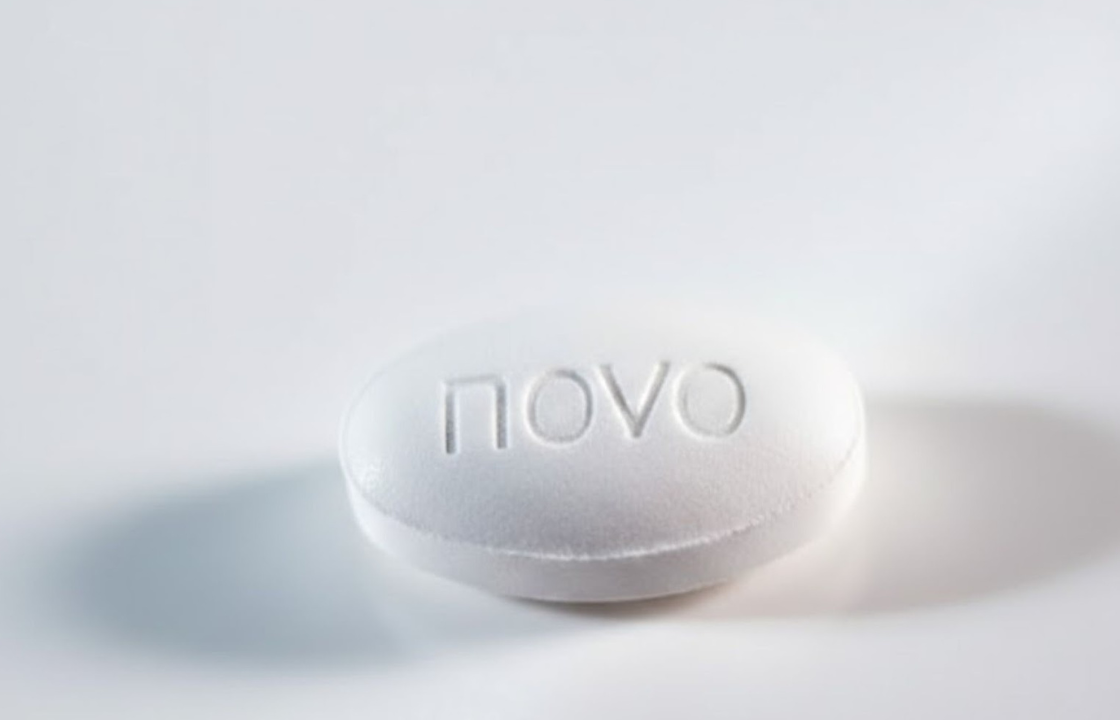
Starting a treatment journey with GLP-1 pills marks a major milestone in managing metabolic health. These medications originally required weekly injections, but the new oral versions have simplified the daily routine. However, many people wonder about the safety of staying on these pills for many years. This guide explores the latest science to help you understand what to expect.
How These New Pills Work in Your Body
Oral semaglutide is the first of its kind to be approved for daily use. The pill uses a clever “helper” molecule to make sure the medicine survives your stomach acid. This compound creates a small, local area of high pH to assist absorption. Therefore, you must take the pill on an empty stomach to ensure it works properly.
Once the medicine enters your blood, it finds targets in your pancreas and brain. It helps your body release insulin more effectively and tells your brain you are full. Along with this, it slows down how fast your stomach empties after a meal. Consequently, you feel satisfied for longer periods and maintain steady energy throughout the day.
The medication stays in your system for about a week after a single dose. This long-lasting effect allows for a consistent, steady level of medicine in your body. However, your stomach only absorbs a tiny fraction of the pill you swallow. To be precise, the oral dose is much higher than the injectable version to compensate.
Comparison of Long-Term Safety Factors
| Health Focus | Long-Term Clinical Findings | Monitoring Recommendations |
| Heart Health | Confirmed safety and potential protection against major events. | Routine blood pressure and heart rate checks. |
| Kidney Function | Demonstrates protective effects and stable filtration rates. | Periodic creatinine and electrolyte labs. |
| Weight Stability | Sustained weight loss requires consistent daily therapy. | Weight tracking every three months. |
| Organ Safety | No confirmed human link to pancreatic or thyroid cancers. | Annual review of personal and family history. |
Real Results From Long-Term Clinical Studies
Scientists have tracked the safety of these pills in programs lasting over two years. The PIONEER trials involved thousands of people living with type 2 diabetes. These studies proved that the medicine continues to work well even after many months. Furthermore, researchers did not find any unexpected or scary new side effects over time.
Most people who experience issues notice them in the stomach during the first few weeks. Nausea and occasional diarrhea are the most common complaints as your body adjusts. These symptoms usually peak during the initial dose-climbing phase and then settle down. Notably, the majority of patients find these issues are manageable and temporary.
Heart health is another area where these pills show a very strong record. The SOUL trial specifically looked at how the oral medicine affects the cardiovascular system. Results confirmed that the treatment is safe for the heart and may even offer protection. Thus, the pill provides the same heart-healthy benefits as the original injectable versions.
Checking in on the Pancreas and Thyroid
There has been much discussion about how these drugs might affect the pancreas. Early studies in animals raised some questions about inflammation and cell changes. However, massive reviews of human data have not found a clear link to these problems. In view of this, doctors consider the risk to the pancreas to be very low.
The thyroid is another area where experts have kept a very close watch. Animal tests showed a specific risk for certain rare tumors at extremely high doses. Because of this, the official rules advise against the medicine for people with specific family histories. Nevertheless, years of real-world use have not shown an increase in human thyroid cancer.
Experts recently analyzed data from over 60,000 people to get the full picture. They found no significant increase in cancer or serious organ issues among users. These findings provide a lot of peace of mind for those planning long-term treatment. Along with this, your doctor will still perform regular checkups to stay safe.
Protecting Your Kidneys and Heart Rate
These medications actually do a great job of protecting your kidneys over time. Research shows they can help prevent protein leaks and keep your filtration rate stable. This is a huge benefit for anyone worried about the long-term impact of diabetes. Hence, the pills are often seen as a protective shield for renal health.
The main risk to your kidneys actually comes from simple dehydration during the nausea phase. If you are not drinking enough water, your kidneys can experience temporary stress. To be precise, staying hydrated is the most important way to protect your system. Building on this, your medical team will check your lab work periodically.
You might also notice a slight increase in your resting heart rate. This is a common and expected effect that usually amounts to a few extra beats. It typically stays at this level for as long as you take the medicine. Meanwhile, most people enjoy a helpful drop in their overall blood pressure numbers.
Living With Lifetime Weight Management
The approval of higher doses for weight loss has changed how we treat obesity. One major study showed that people could lose over 15 percent of their weight. These results stayed consistent for the entire duration of the 68-week trial period. Consequently, these pills are now a primary tool for reaching a healthy weight.
Long-term success usually depends on staying consistent with the daily medication routine. Studies show that when people stop the pills, the “food noise” often returns quickly. Most individuals tend to regain weight once the pharmacological support is gone. Therefore, many experts now view this as a long-term or even lifetime commitment.
Beyond weight loss, the pills help clean up fat inside the liver. This can lead to a significant improvement in metabolic health and energy levels. Many patients even see their liver inflammation disappear completely after a year of use. Along with this, your cholesterol and sugar levels usually move in a healthy direction.
Planning for the Years Ahead
Choosing to stay on this medicine for years involves thinking about your budget. These pills can be quite expensive, and insurance coverage varies from plan to plan. For many, the monthly cost is a significant factor in staying on the treatment. In light of this, it is important to have a financial plan.
Your doctor will help you decide if you are a good candidate for lifelong use. People with heart disease or high metabolic risk often get the most benefit. Those with only a small amount of weight to lose might choose other paths. To be precise, the goal is to balance the benefits against your personal health.
Staying safe means keeping up with a simple schedule of medical checkups. You should check your progress every few months to see if the dose is right. Your doctor might also suggest an annual check of your thyroid and kidney labs. Given this, a little bit of proactive planning goes a long way.
The Future of Oral Metabolic Medicine
Science never stands still, and even better versions of these pills are coming. Some new drugs target three different hormone pathways at the same time for better results. These experimental treatments might offer faster weight loss with fewer stomach side effects. Nevertheless, we still need more time to see their long-term safety records.
Researchers are also finding ways to make the pills easier for the body to absorb. New delivery methods could mean you no longer have to wait 30 minutes to eat. This would make the daily routine much more convenient for people with busy mornings. Accordingly, the next few years will bring many exciting updates to your options.
We are also learning how to combine these pills with other healthy habits. Using the medication alongside a smart exercise plan can help you keep your muscle mass. Some people even use the pills to support their results after having weight-loss surgery. Thus, the pill is just one part of a complete health strategy.
A Final Word on Safety
The current evidence shows that oral GLP-1 pills are a safe long-term choice. Data from the heart and kidneys provide a very reassuring picture for most users. While stomach issues can be annoying, they usually do not cause lasting harm. As more people use these pills, our confidence in their safety keeps growing.
References
Davies, M., Pieber, T. R., Hartoft-Nielsen, M. L., Hansen, O. K., Jabbour, S., & Rosenstock, J. (2017). Effect of oral semaglutide compared with placebo and subcutaneous semaglutide on glycemic control in patients with type 2 diabetes: A randomized clinical trial. JAMA, 318(15), 1460-1470. https://doi.org/10.1001/jama.2017.14752
Knudsen, L. B., & Lau, J. (2019). The discovery and development of liraglutide and semaglutide. Frontiers in Endocrinology, 10, 155. https://doi.org/10.3389/fendo.2019.00155
Nauck, M. A., Quast, D. R., Wefers, J., & Meier, J. J. (2021). GLP-1 receptor agonists in the treatment of type 2 diabetes: State-of-the-art. Molecular Metabolism, 46, 101102. https://doi.org/10.1016/j.molmet.2020.101102
Wilding, J. P., Batterham, R. L., Calanna, S., Davies, M., Van Gaal, L. F., Lingvay, I., McGowan, B. M., Rosenstock, J., Tran, M. T., Wadden, T. A., Wharton, S., Yokote, K., Zeuthen, N., & Kushner, R. F. (2021). Once-weekly semaglutide in adults with overweight or obesity. New England Journal of Medicine, 384(11), 989-1002. https://doi.org/10.1056/NEJMoa2032183