Why Samsung Galaxy Watch and Top US Hospitals Are Studying GLP-1 Weight Loss Drugs Together?
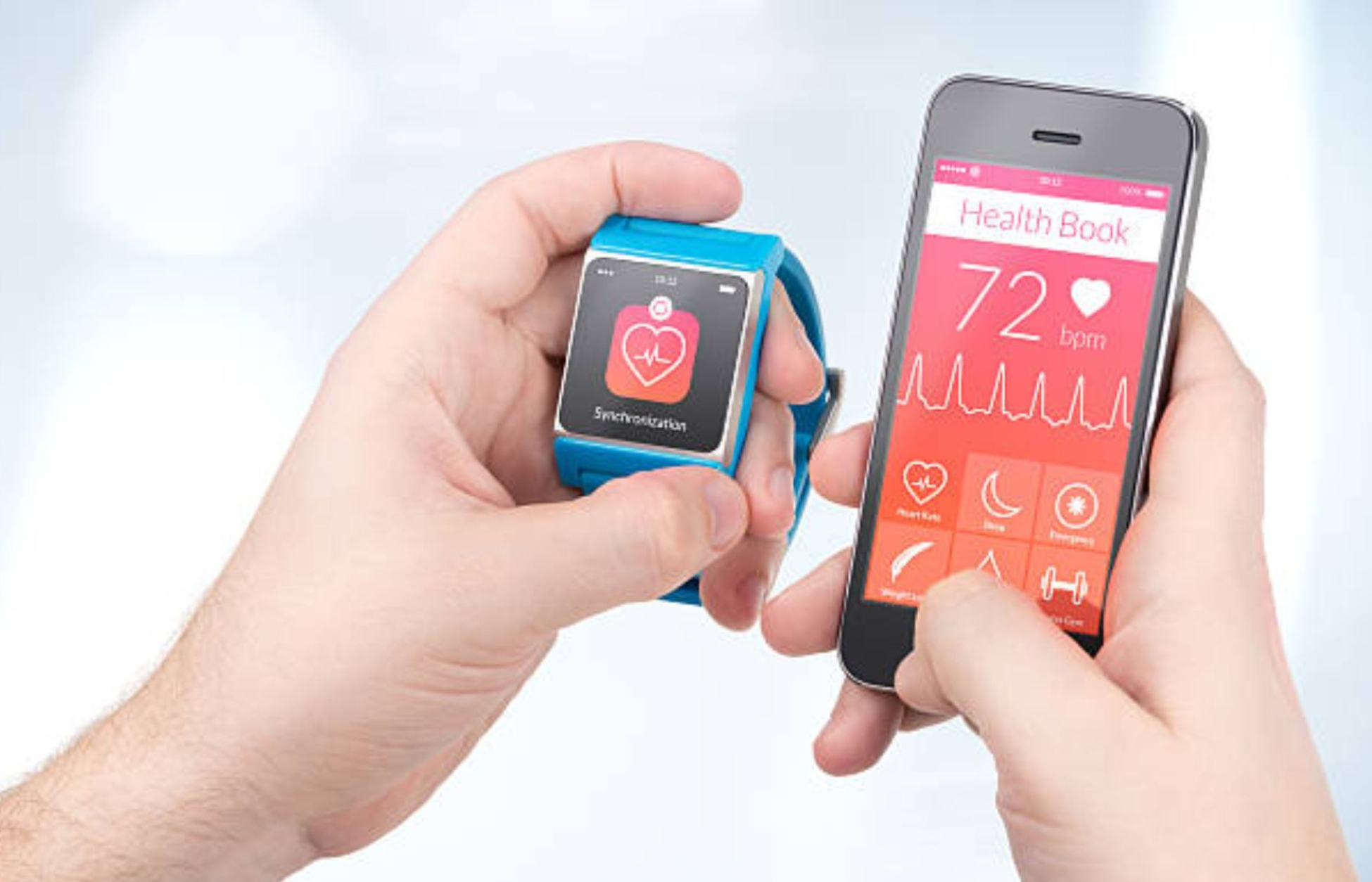
Weight loss drugs like Wegovy and Mounjaro are changing how we treat obesity and diabetes. These medications help people drop significant weight and improve their heart health. Along with this, scientists want to see how these drugs affect the body in daily life. In view of this, hospitals are now using smartwatches to track patient health around the clock.
Smartwatches like the Galaxy Watch allow doctors to see what happens outside the clinic. These devices track things like heart rate, sleep quality, and how much a person moves. This constant flow of data gives a much clearer picture than a quick office visit. Given this, the partnership between tech companies and hospitals is a major step forward for medical research.
Mechanisms Driving the Research Partnership
These new weight loss drugs do much more than just lower blood sugar or stop hunger. They can also reduce swelling in the body and change how the heart beats. Researchers are still learning about all the different ways these medications impact our metabolism. Therefore, using a wearable device is a great way to catch these changes as they happen.
The nervous system is a very important part of this new research. These drugs can change how the body handles stress and how the heart recovers. Smartwatches use special sensors to watch these tiny changes over several weeks or months. Furthermore, they track how well a patient sleeps, which is vital for a healthy metabolism.
Clinical Research Questions Driving the Collaboration
Keeping the heart healthy is the top priority for doctors using these weight loss treatments. We already know that drugs like Wegovy can lower the risk of heart attacks. Nevertheless, we still need to understand exactly why and how this protection happens. Using a watch to monitor heart rhythms offers a simple way to find those answers.
| Metric | Clinical Impact |
| Heart Rate | Monitors stress levels |
| Sleep Quality | Tracks body recovery |
| Step Count | Measures daily movement |
| Variability | Shows heart health |
Watching heart rate data helps doctors see if the body is becoming more balanced. High stress on the heart is a common problem for people with metabolic issues. Building on this, experts believe these drugs help the heart relax and work better. Wearable data lets them test this idea on thousands of people at the same time.
Weight loss usually happens because people eat less, but movement matters too. Some studies show that people on these drugs might actually move less than before. Researchers use watch data to see if patients are still hitting their daily step goals. Consequently, this helps doctors decide if a patient needs a new exercise plan.
Tracking energy use also tells us if the body is fighting against weight loss. Sometimes the metabolism slows down when we eat less, which makes it harder to stay thin. Notably, some evidence suggests these drugs might stop that slow-down from happening. Continuous data lets scientists see these trends without making people stay in a lab.
Methodological Significance and Research Validity
Standard medical studies often have big gaps because patients only check in once a month. People often forget to report exactly how they felt or how much they ate. Smartwatches fix this by recording data automatically every single minute of the day. Moreover, these watches are very accurate and are easy for most people to wear.
Government health agencies like the FDA are very interested in this new digital data. They want to use real-world evidence to make sure new drugs are safe for everyone. Using watch data fits perfectly with how the government wants to track medicine in the future. Hence, this research could change how all new drugs are approved and monitored.
Running a study across many different hospitals can be very difficult for tech teams. They have to make sure all the data from different watches looks the same. Along with this, researchers have to watch out for technical glitches or dead batteries. These steps are very important to make sure the final results are 100 percent correct.
Privacy is another huge part of making these medical studies work well. New systems allow hospitals to look at the data without sharing personal names or details. Most programs now use very strict rules to keep patient information safe and private. With this in mind, keeping data secure is just as important as the medicine itself.
Expansion of Clinical Evidence and Data Utility
Every person reacts a little bit differently to these new weight loss injections. Doctors use wearable sensors to see why some people lose more weight than others. These devices catch small changes in the body that a normal blood test might miss. Furthermore, they show how a person’s daily habits help the medicine work even better.
Big partnerships between tech firms and schools help create massive amounts of information. This data helps scientists build better models to predict how a patient will do. They can use these models to spot bad side effects before they become a real problem. Therefore, digital tracking makes the whole treatment process much safer for the patient.
Good doctors want to use real facts to help their patients make the best choices. Patients also feel better when they can see their own heart and sleep data improving. This helps create a better bond between the patient and their medical team. As a result, people are more likely to stick with their treatment for the long haul.
Clinical Implications and Future Directions
Using smartwatches to track medicine is a huge win for the future of healthcare. These devices catch details about a patient’s life that a regular doctor’s visit simply misses. Furthermore, this information helps doctors pick the right dose for every individual person. This ensures that every patient gets the best care possible for their specific needs.
In the future, almost every drug study will likely include some kind of wearable device. Tech companies and hospitals now see that they need to work together to save lives. Similarly, as sensors get better, we will be able to track even more health signs. The evidence we find now will help guide doctors and patients for many years to come.
Conclusion
This team effort is a great way to modernize how we study heart and weight health. Using sensors in drug trials solves the problem of not having enough daily information. Notably, seeing heart health in real-time gives doctors a better window into a person’s life. Given this, the medical world now has much better tools to see if drugs work.
Updating medical rules with real-world data is the main goal for these researchers. The facts found in these studies will help write the official health guides of the future. Building on this, the healthcare industry now expects more detailed reports on how drugs perform. Therefore, the mix of tech and medicine is the new path for better health for everyone.
References
Lincoff, A. M., Brown-Frandsen, K., Colhoun, H. M., Deanfield, J., Emerson, S. S., Esbjerg, S., Hardt-Lindberg, S., Hovingh, G. K., Kahn, S. E., Kushner, R. F., Lingvay, I., Oral, T. K., Michelsen, M. M., Plutzky, J., Tornoe, C. W., Ryan, D. H., & SELECT Trial Investigators. (2023). Semaglutide and cardiovascular outcomes in obesity without diabetes. New England Journal of Medicine, 389(24), 2221–2232. https://doi.org/10.1056/NEJMoa2307563
Jastreboff, A. M., Aronne, L. J., Ahmad, N. N., Wharton, S., Connery, L., Alves, B., Kiyosue, A., Zhang, S., Liu, B., Bunck, M. C., Stefanski, A., & SURMOUNT-1 Investigators. (2022). Tirzepatide once weekly for the treatment of obesity. New England Journal of Medicine, 387(3), 205–216. https://doi.org/10.1056/NEJMoa2206038
Wilding, J. P. H., Batterham, R. L., Calanna, S., Davies, M., Van Gaal, L. F., Lingvay, I., McGowan, B. M., Rosenstock, J., Tran, M. T. D., Wadden, T. A., Wharton, S., Yokote, K., Zeuthen, N., Kushner, R. F., & STEP 1 Study Group. (2021). Once-weekly semaglutide in adults with overweight or obesity. New England Journal of Medicine, 384(11), 989–1002. https://doi.org/10.1056/NEJMoa2032183
U.S. Food and Drug Administration. (2023). Regulatory considerations for digital health technologies in clinical investigations: Guidance for industry. https://www.fda.gov/regulatory-information/search-fda-guidance-documents